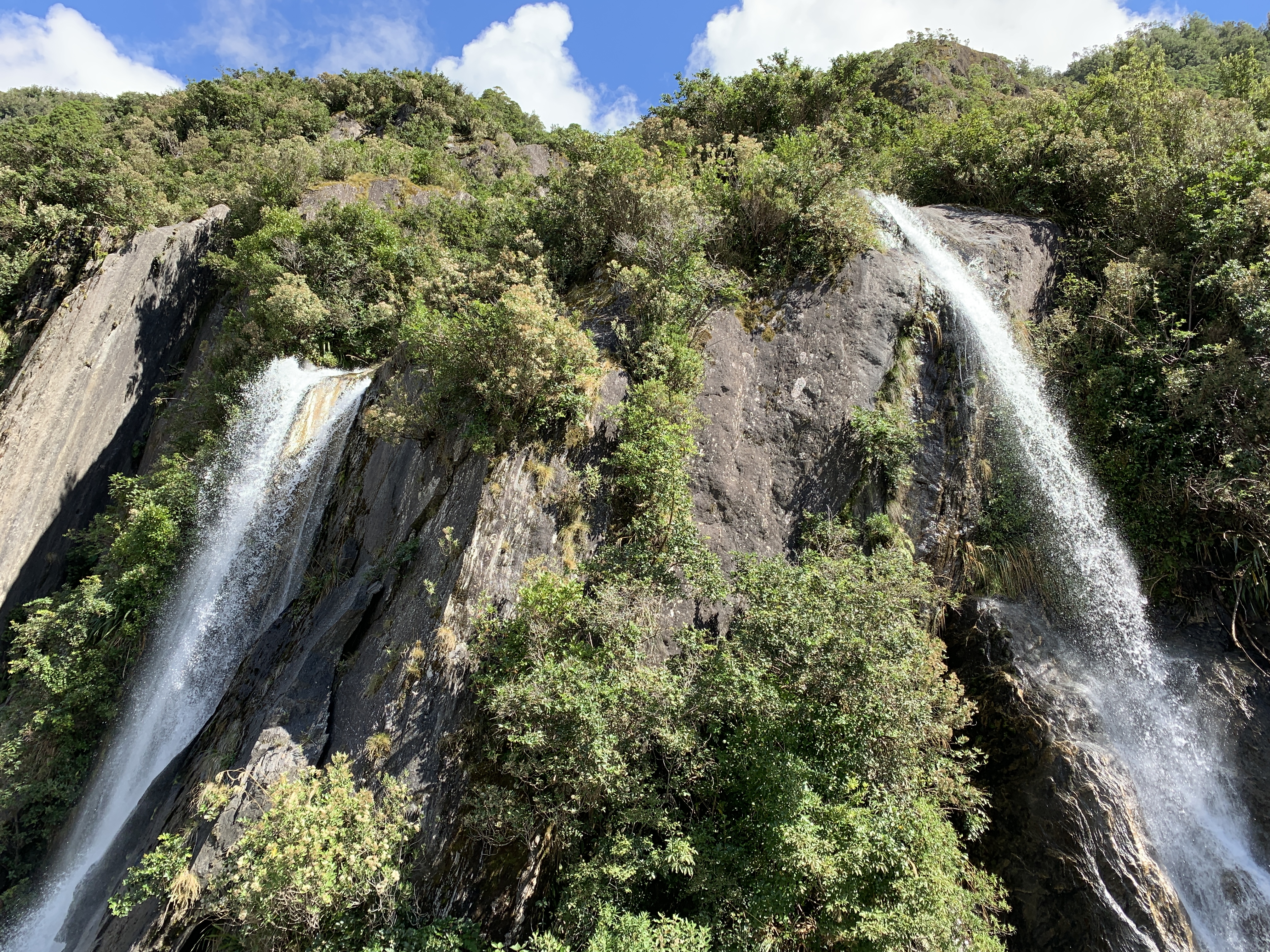
The South Island’s West Coast is marked by spectacular mountain, river, and coastal beauty. The Southern Alps range runs along most of the coast. Its rivers and rain forests tumble dramatically into the Tasman Sea. It is no wonder we passed through four national parks while sight-seeing this area: Paparoa, Westland Tai Poutini, Anraki Mt. Cook, and Mt. Aspiring.
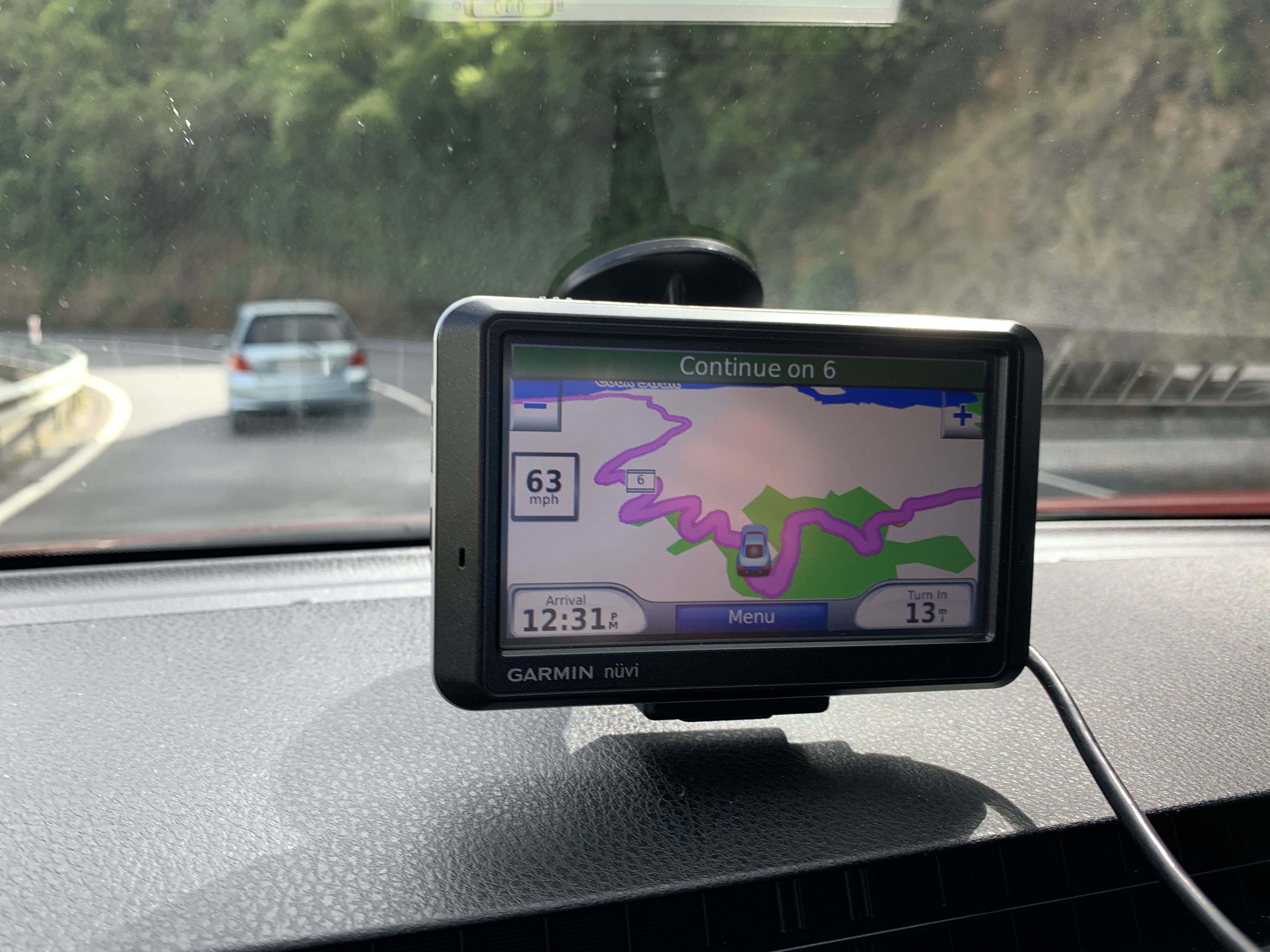
Highway 6 twists between the Alps and the Tasman Sea. We nicknamed it “Harrowing 6” because it was curvy, narrow, devoid of shoulders, and had minimalist guard-rails. It is also punctuated by long one-way bridges. Drivers are alerted to the right of way by signs approaching the bridge—the bigger arrow wins. But sometimes it was difficult to see the other end!
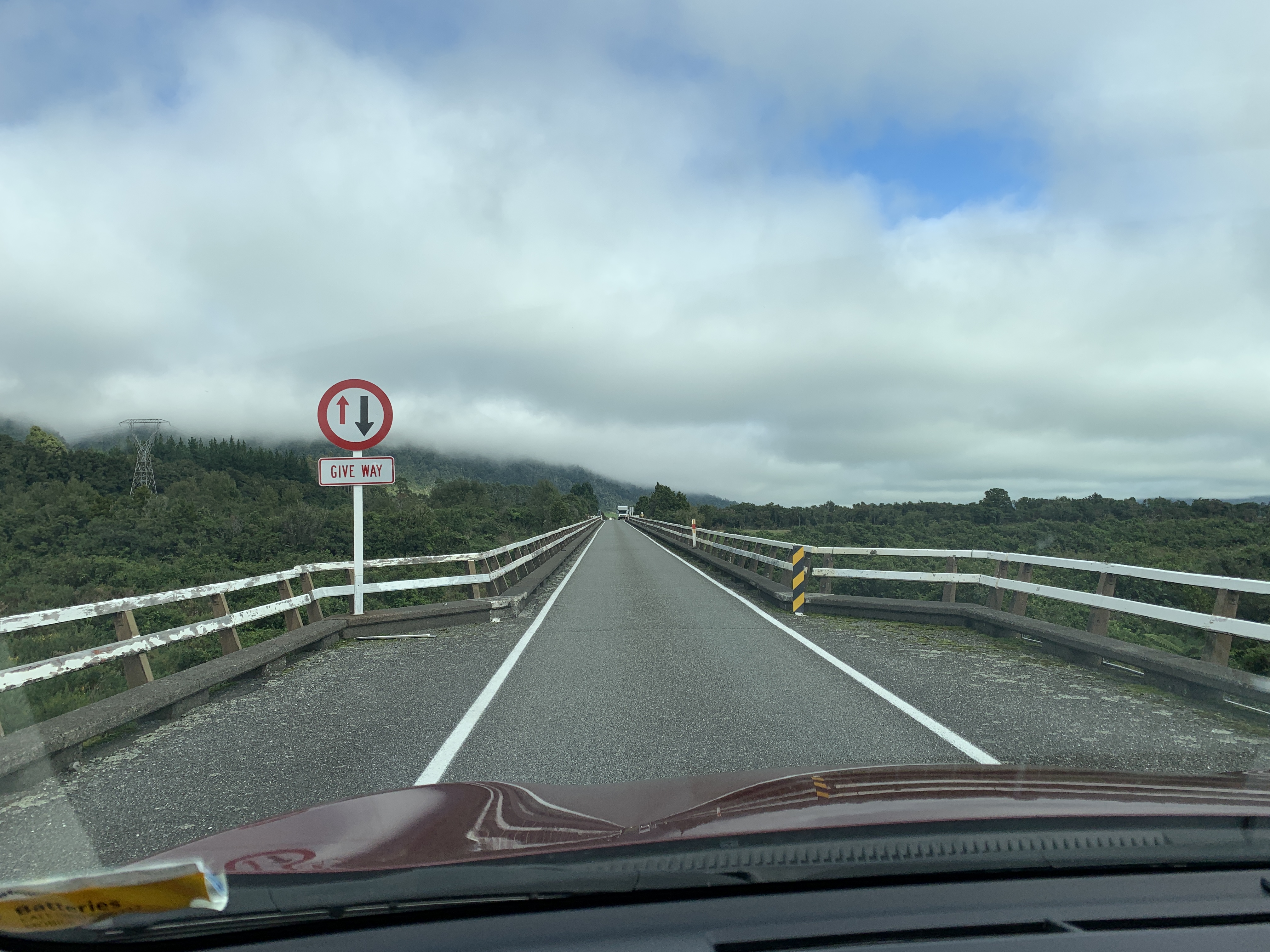
On a sad note, several days after we left this area it suffered a 100-year rainstorm. The storm washed out the only bridge south of Franz Josef. The result is a twelve-hour detour to reach anything south of the area. This has, of course, had a severe impact upon tourism and daily life in the surrounding communities. For dramatic photos (I couldn’t get the link feature to work on this blog, sorry!) search “Franz Josef bridge washout” on Google.
The highway connects a series of small towns. Today most survive on tourism and some dairy, but many were founded on a gold. We could still see glints of gold in the sand and stones. We loved every town, but our favorite was Hokitika. It was founded in 1864 when gold was discovered. In just three years it was the number one port in New Zealand, with records indicating its river port harbored 41 ships–rapid growth! (For a vivid description of the Hokitika gold diggers’ wild lifestyle, read the mystery The Luminaries by Eleanor Catton—it’s fun!)
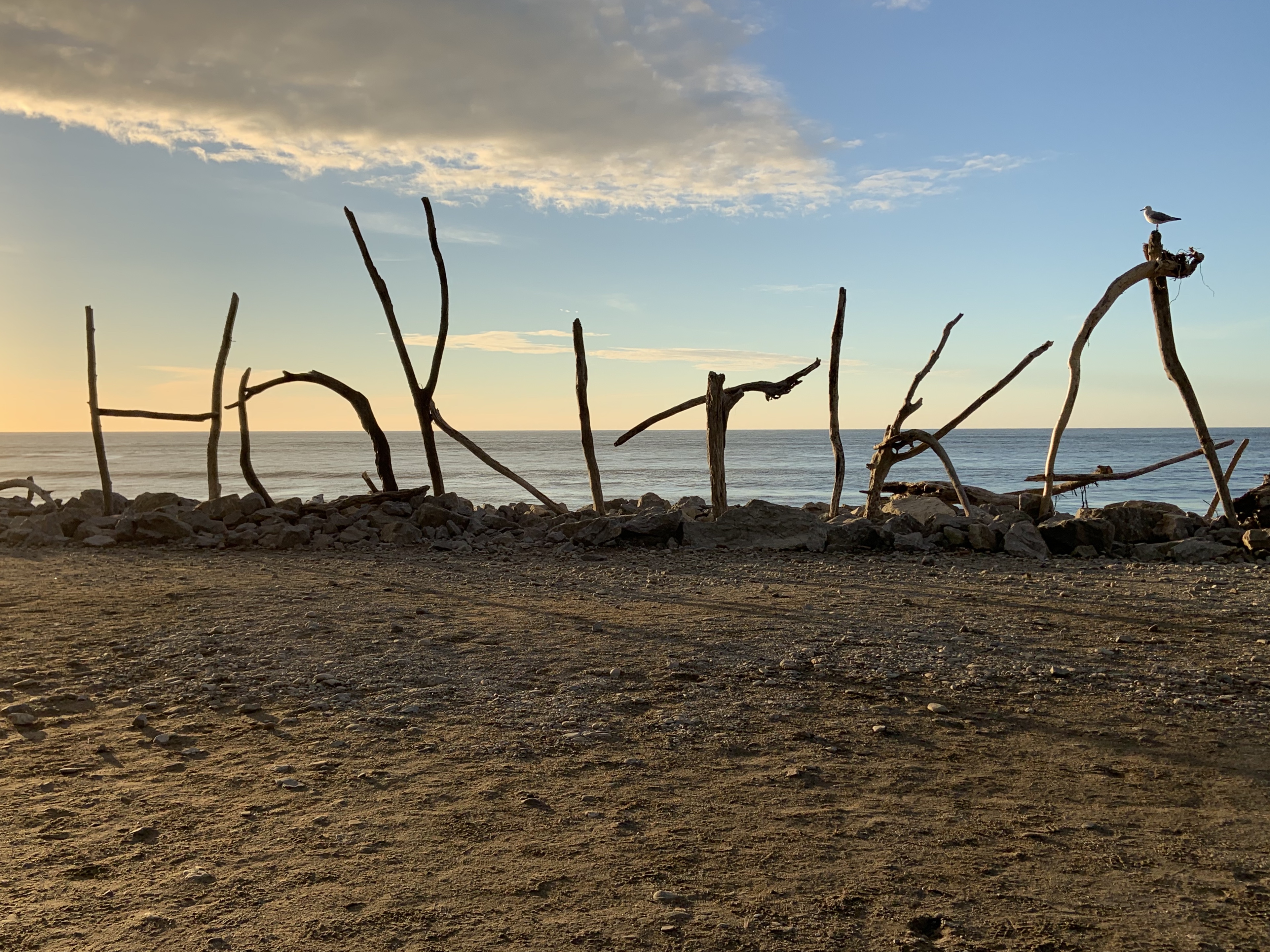
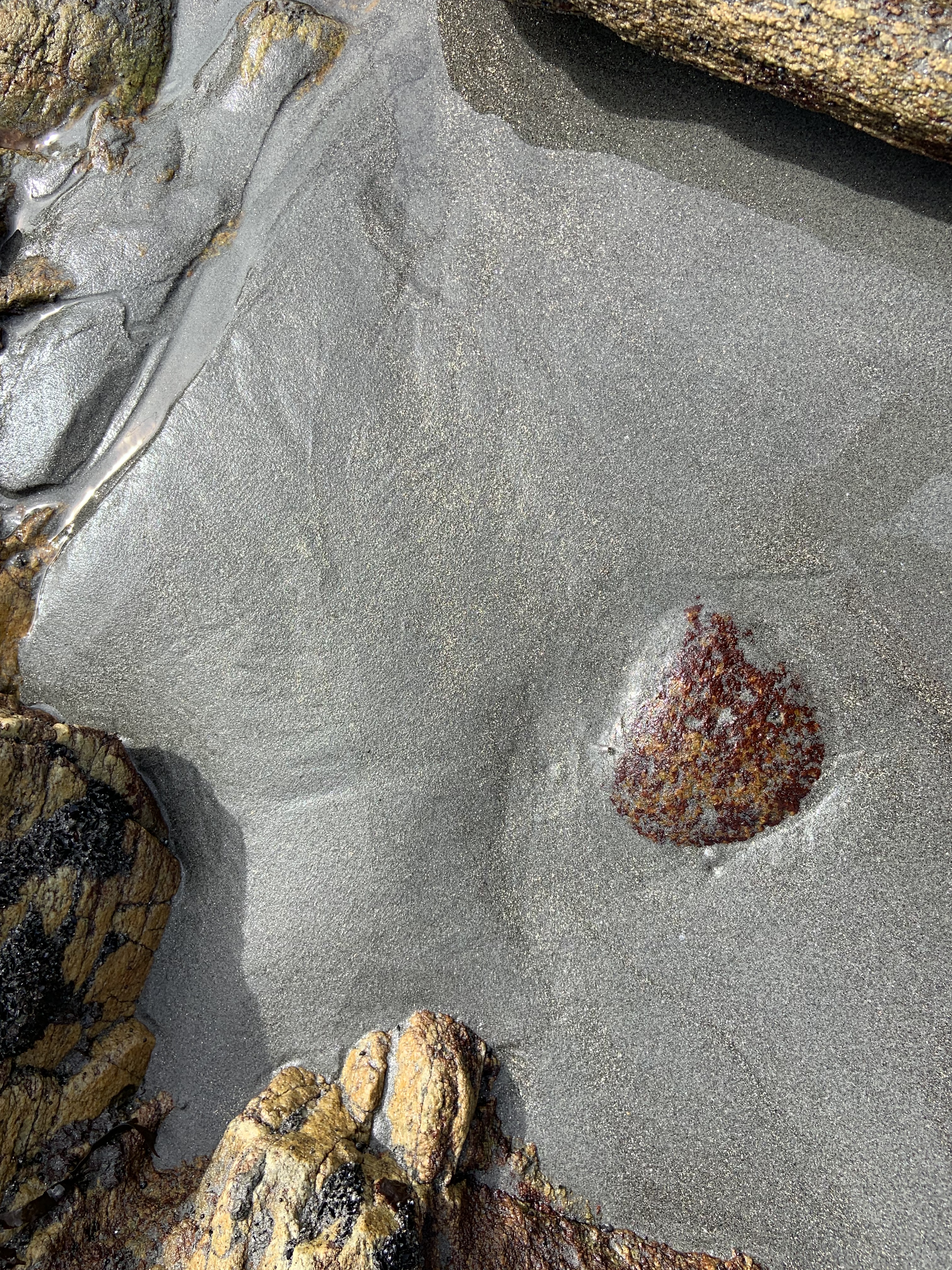
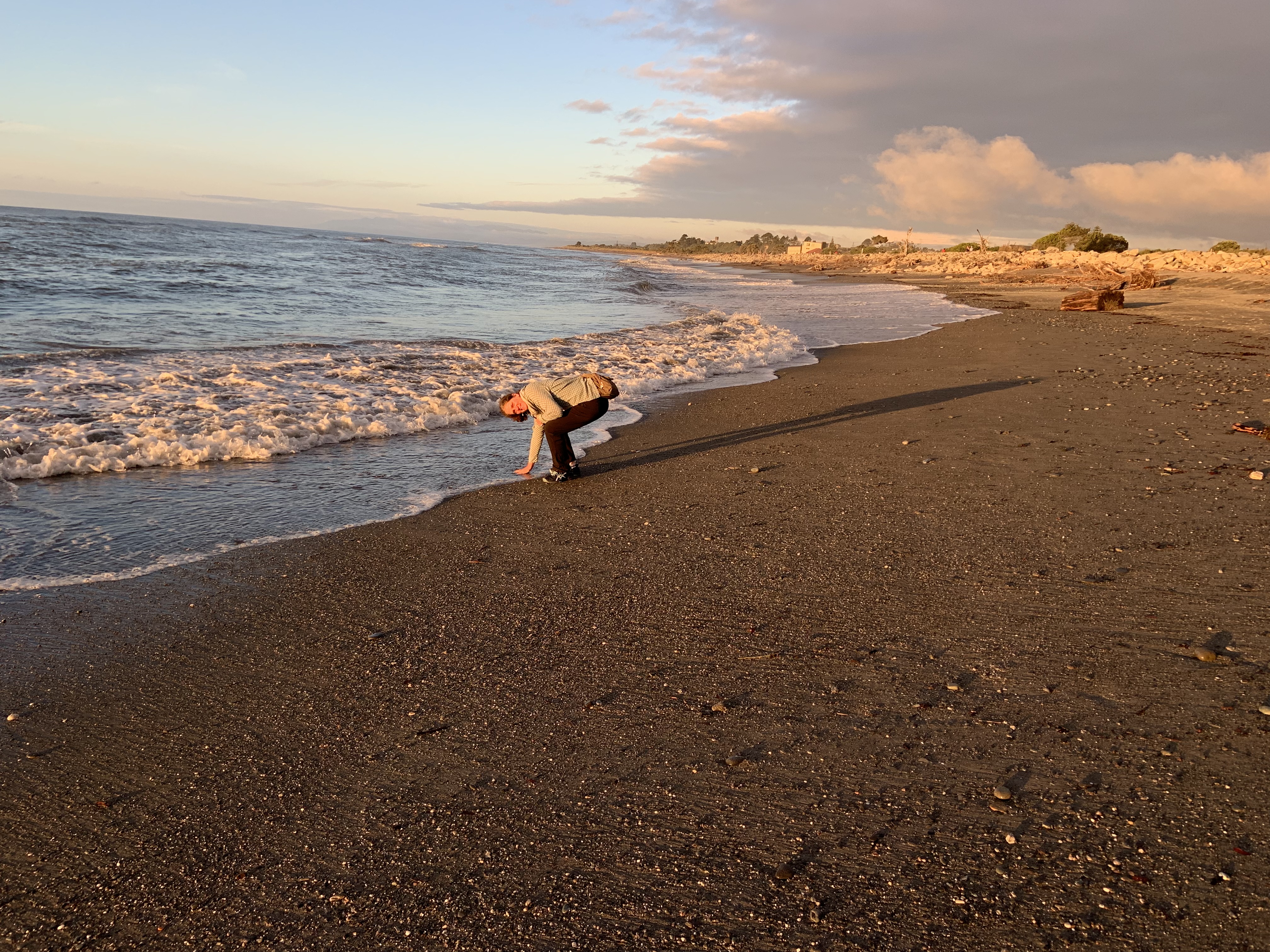
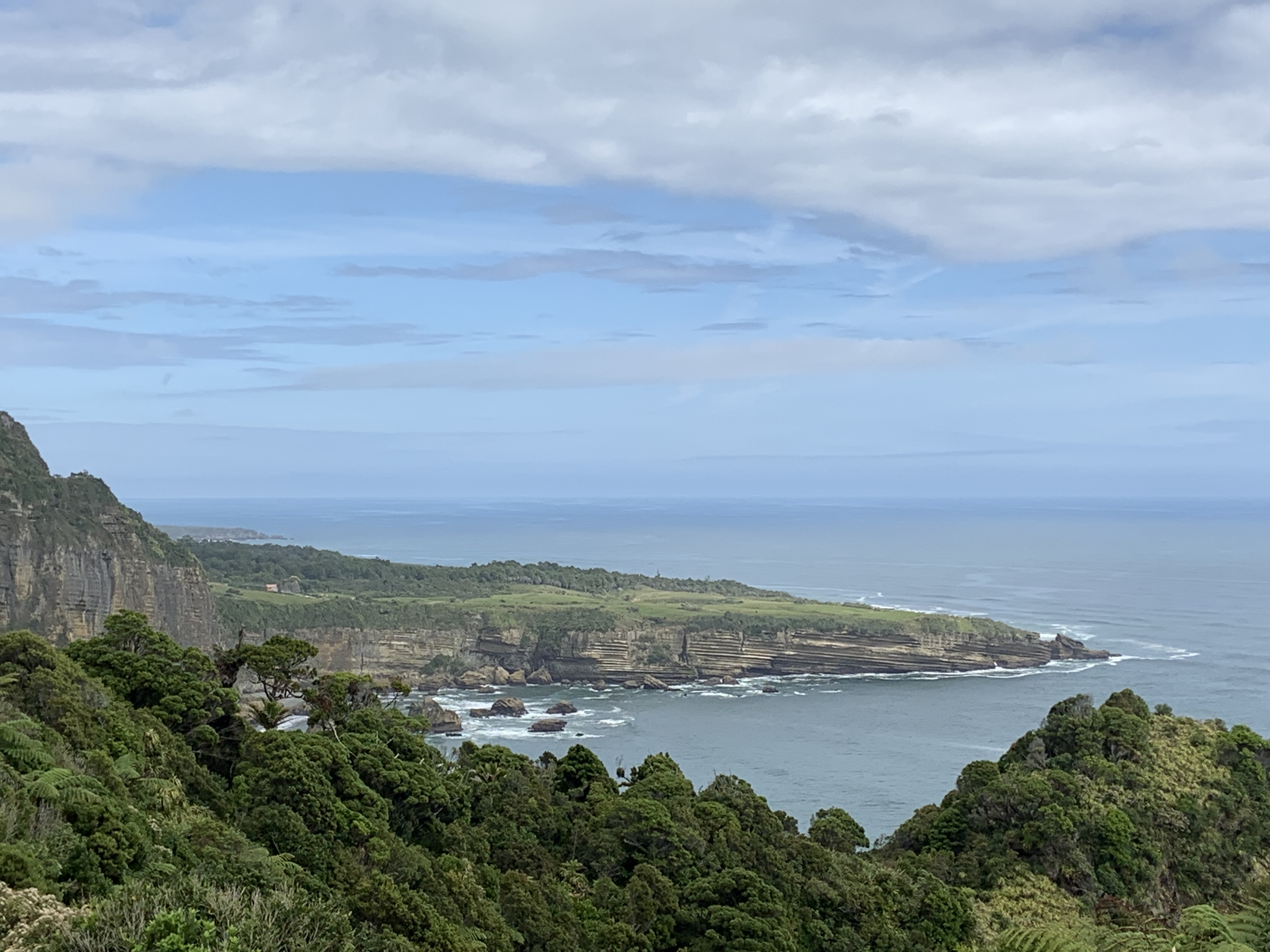
There are unending scenic gems along the West Coast. There are quiet coves, long beaches, dramatic coastlines, and a series of unique cliffs made of thin rock stacks, appropriately named “Pancake Rocks.”
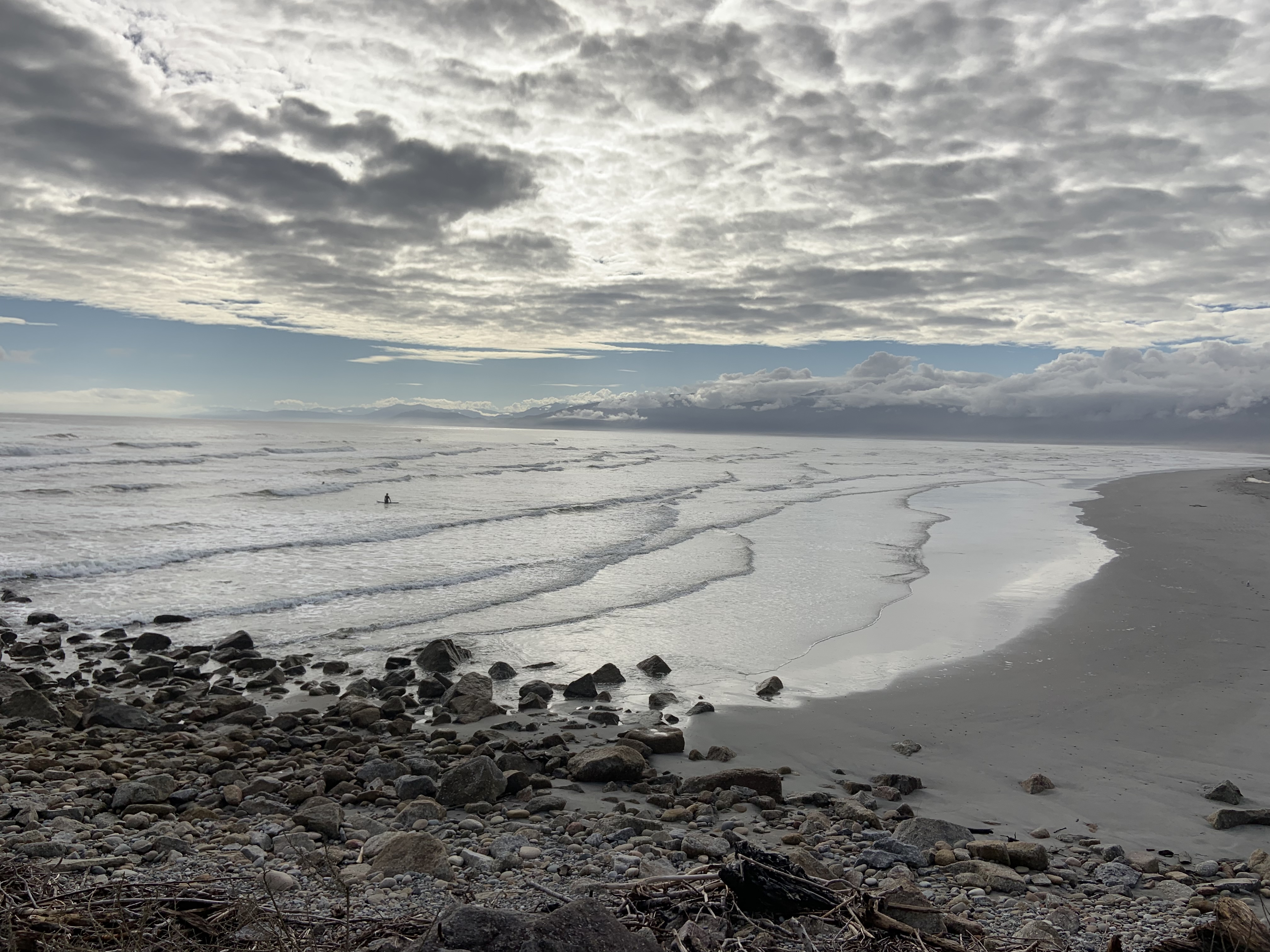

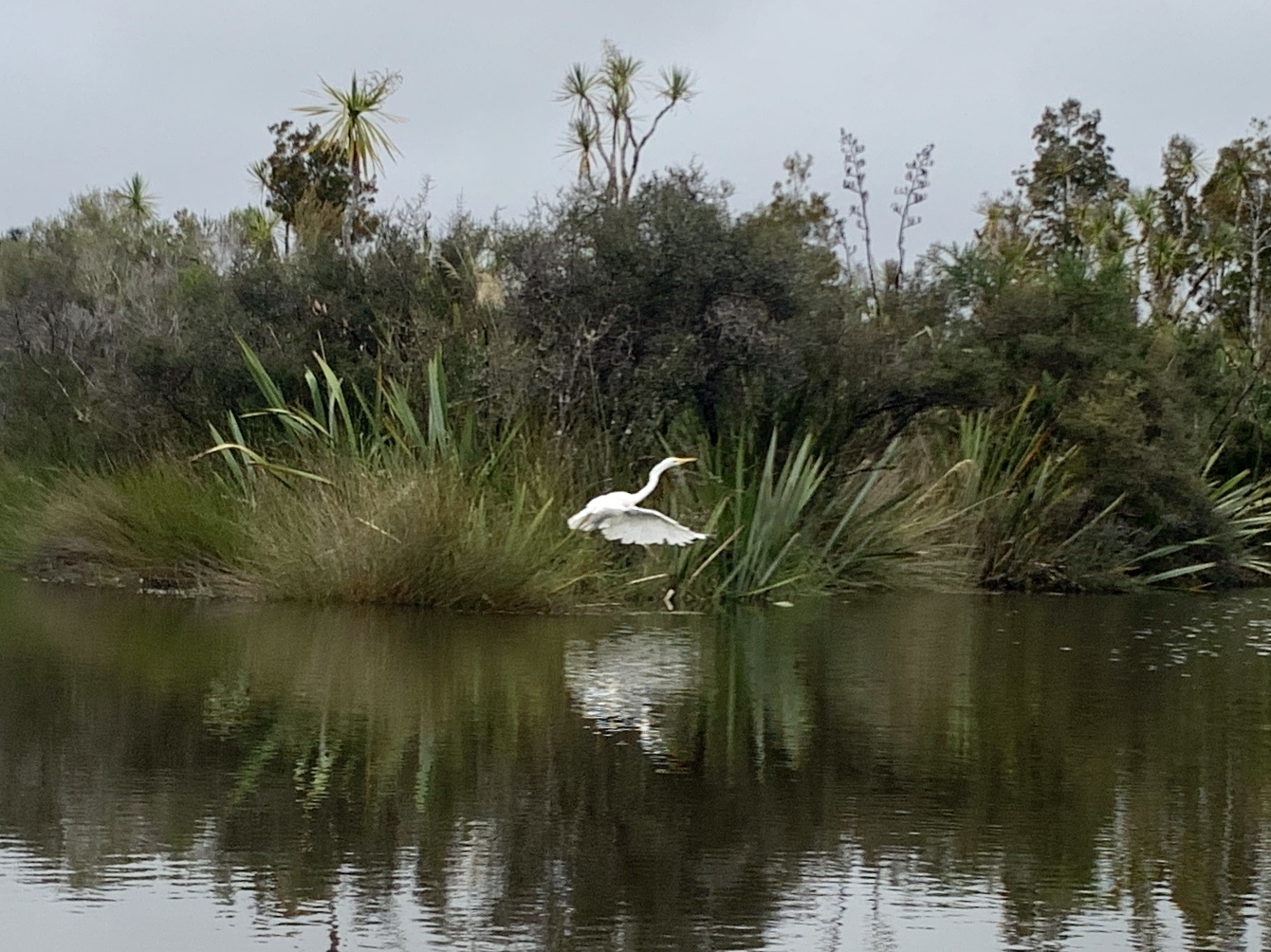
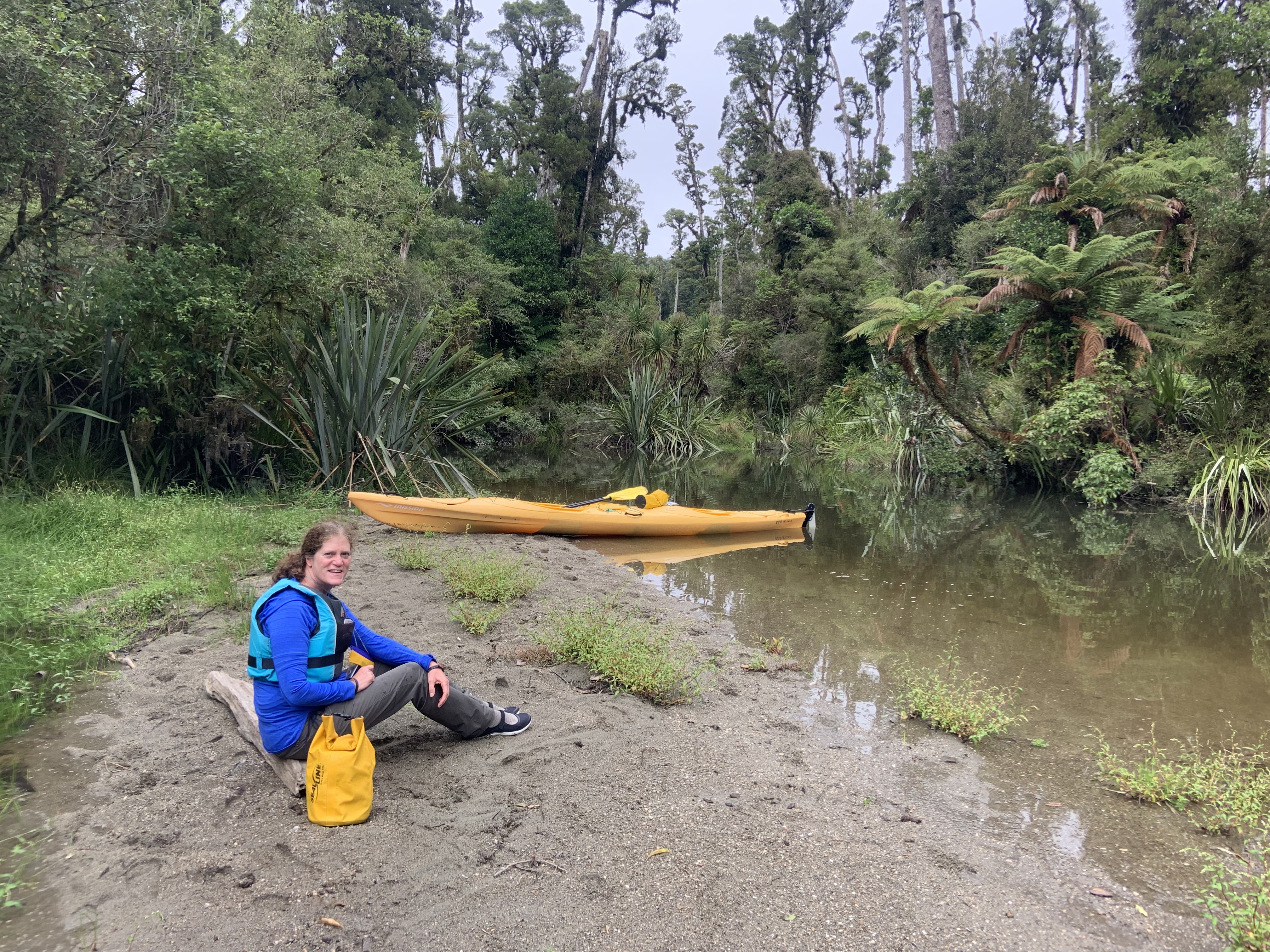
The rivers are turquoise with glacial flour—fine particles of rock ground by glacial action. The rain forest is dense and rich with plants and bird life which we discovered while kayaking on Okarita Lagoon.


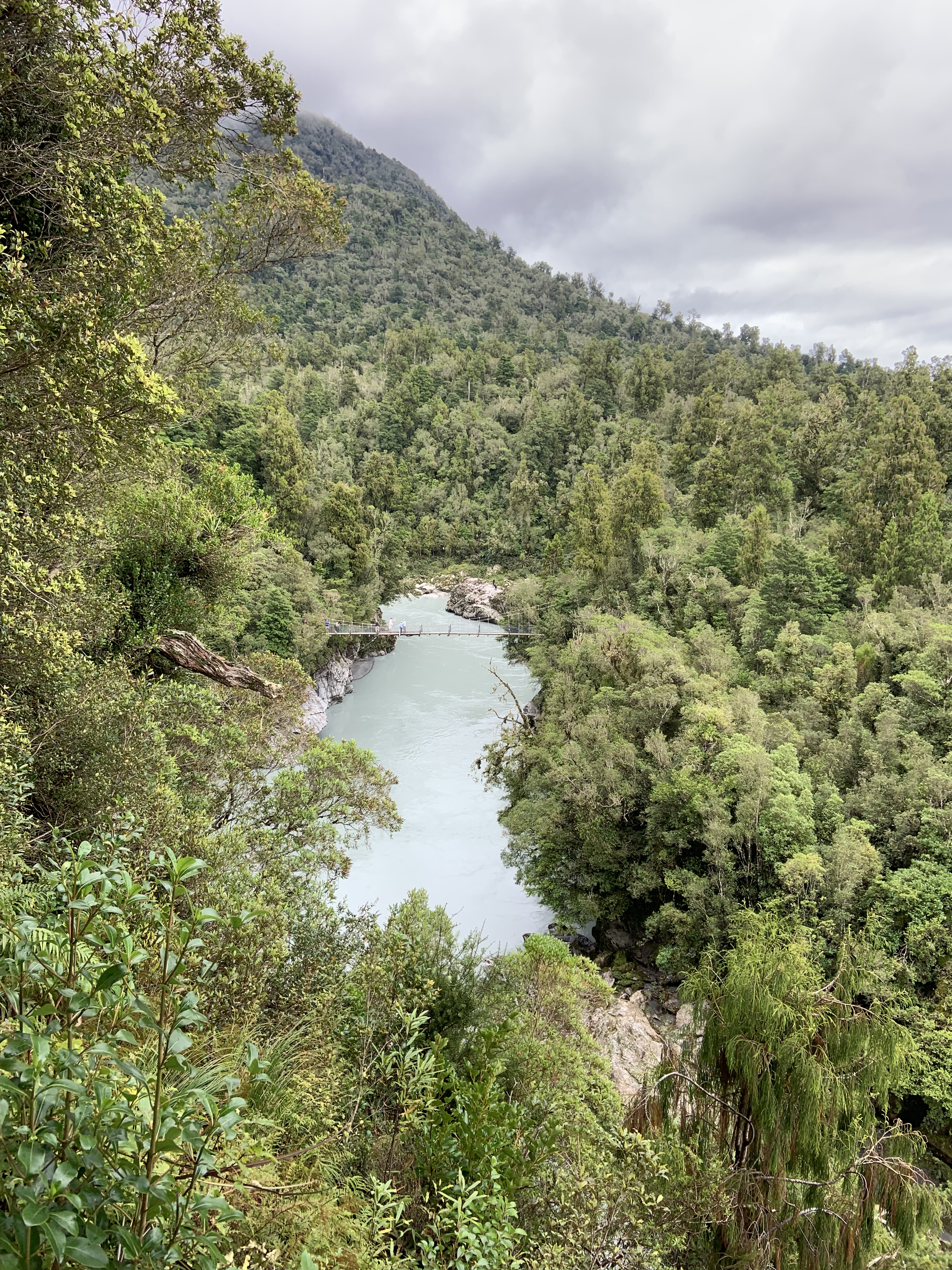

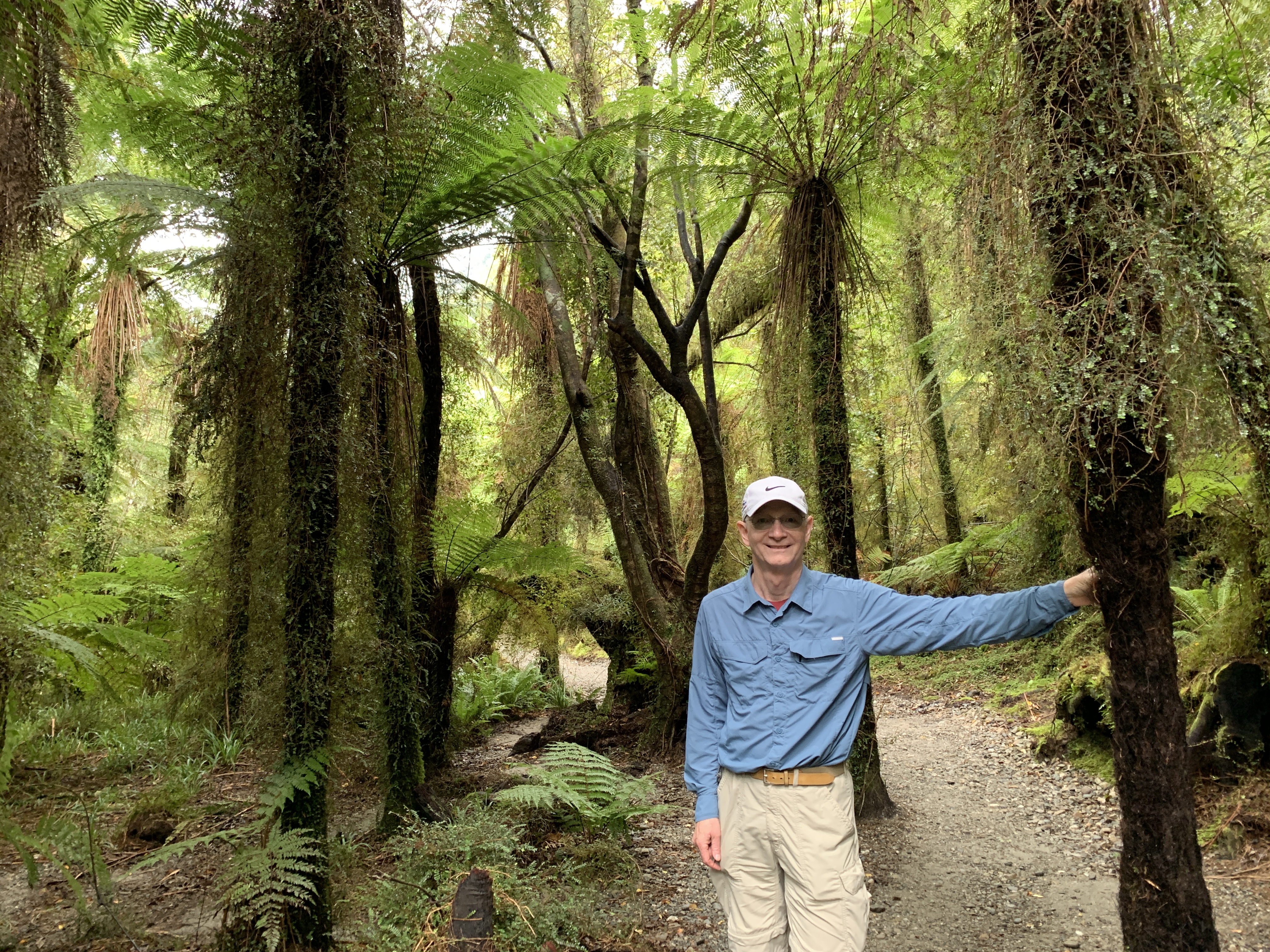
The Alps and Mt. Cook tower over the forests and rivers, jagged and intimidating, and their glaciers are impressive. We enjoyed hiking as far as we could to see the Franz Josef Glacier, but were discouraged by how far this glacier has receded in recent years.
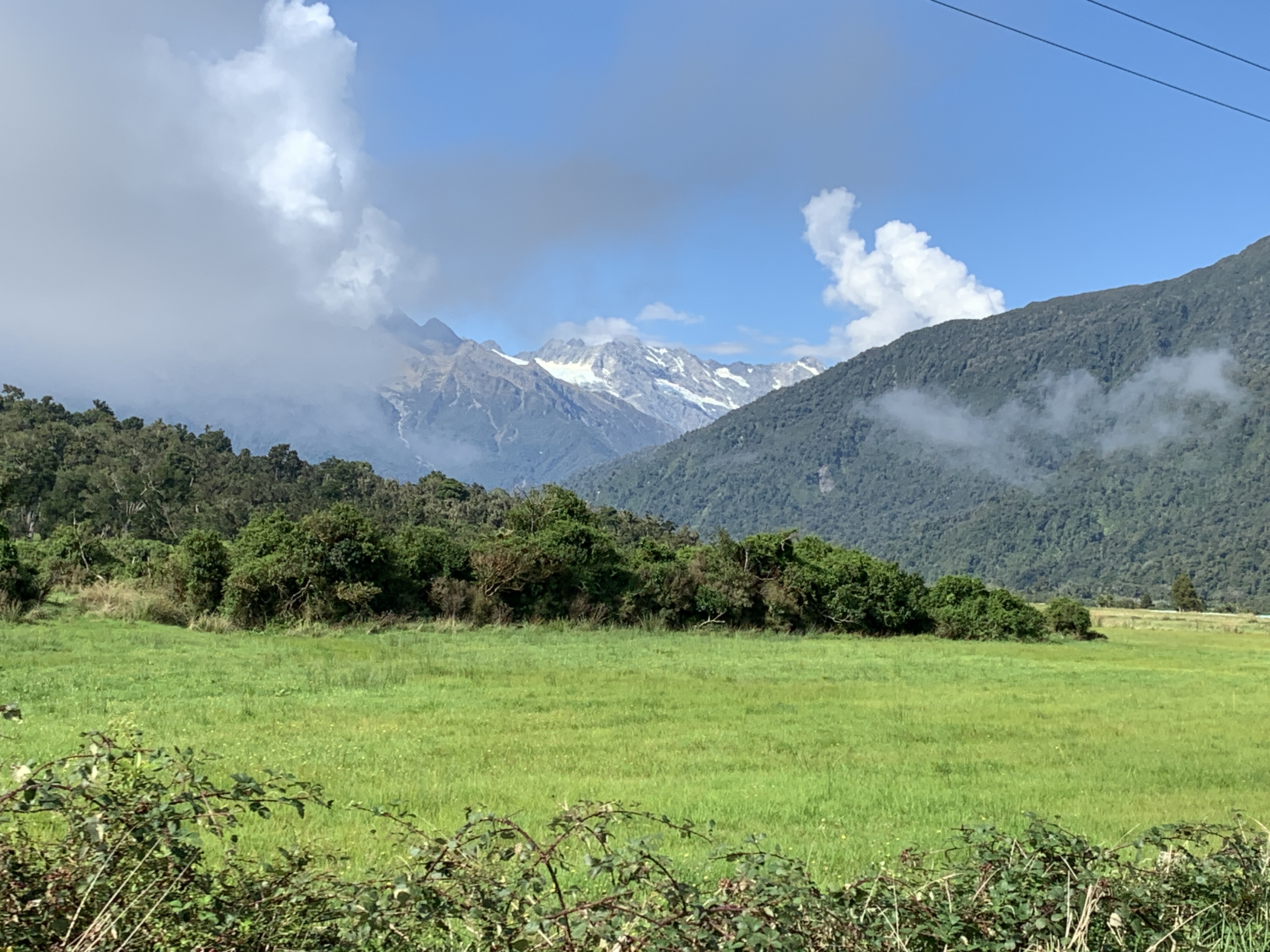
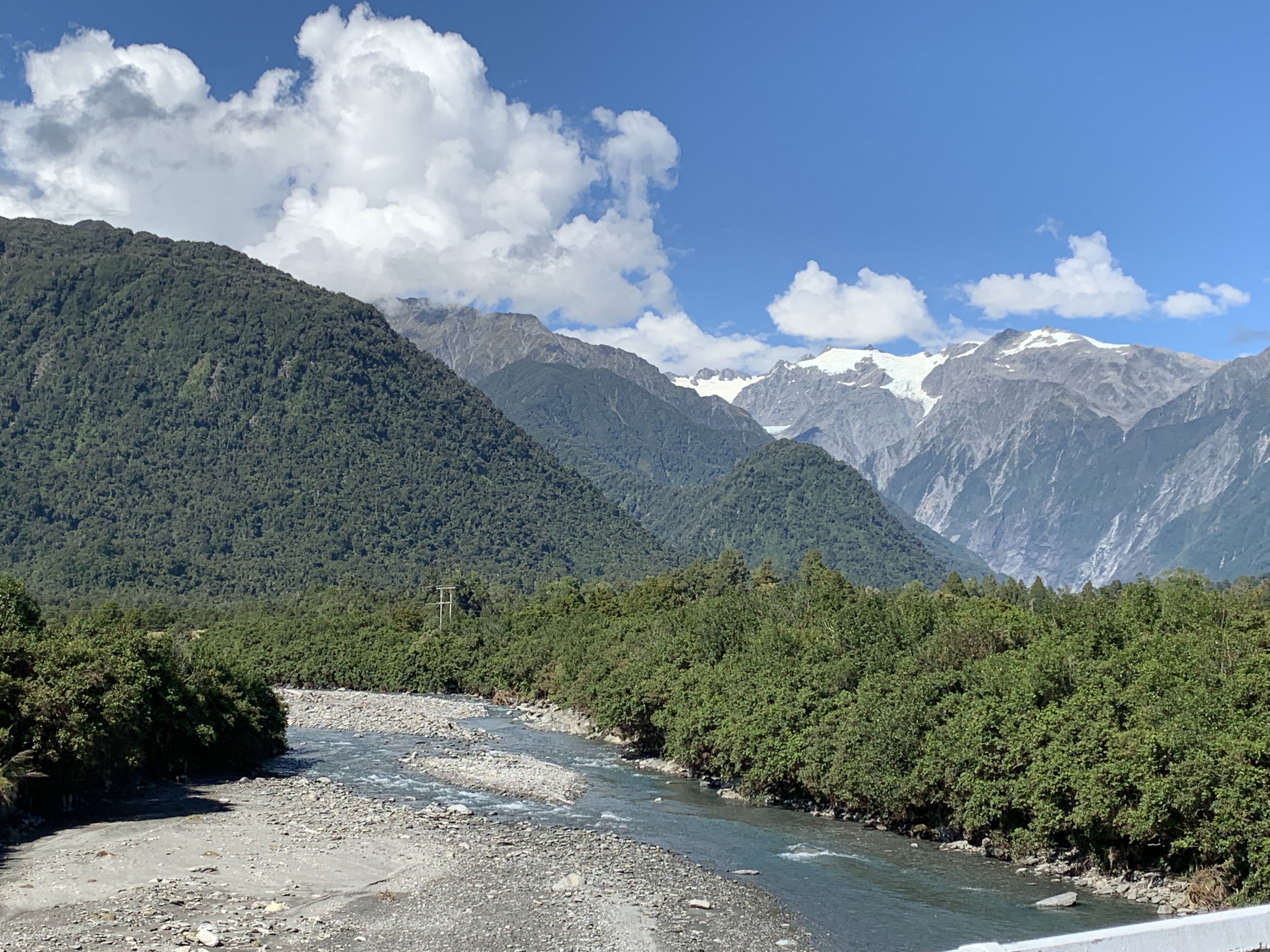
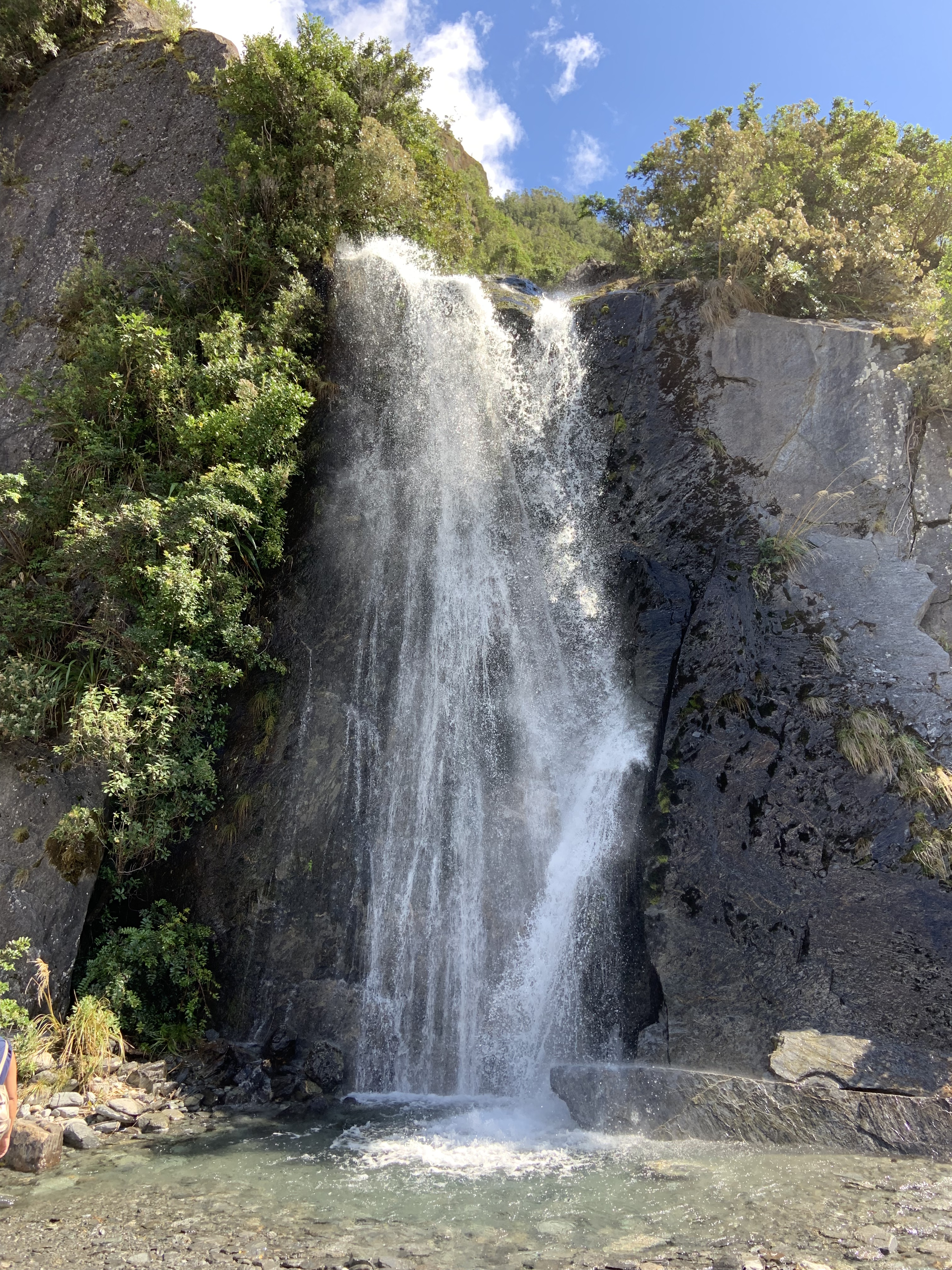
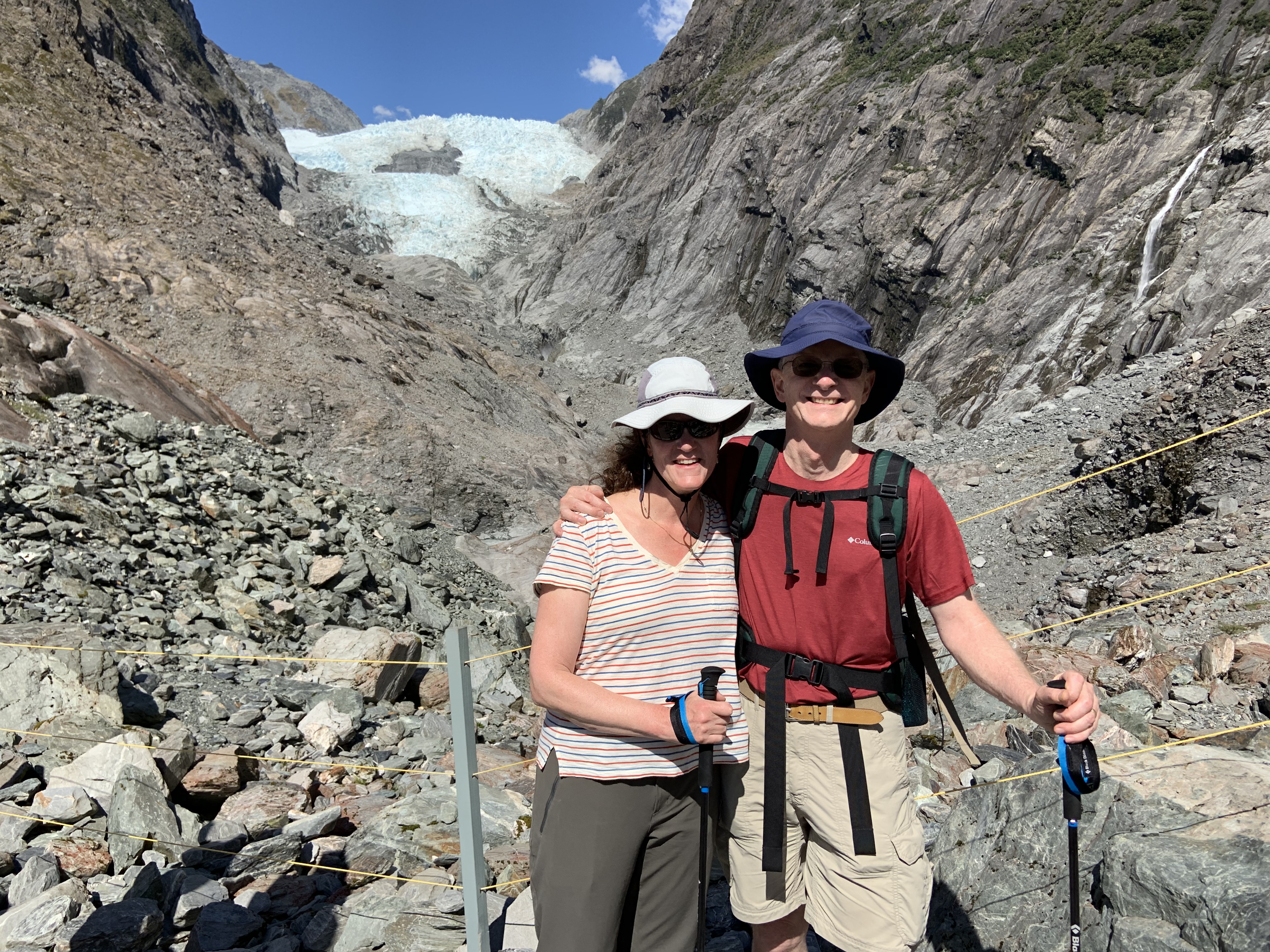
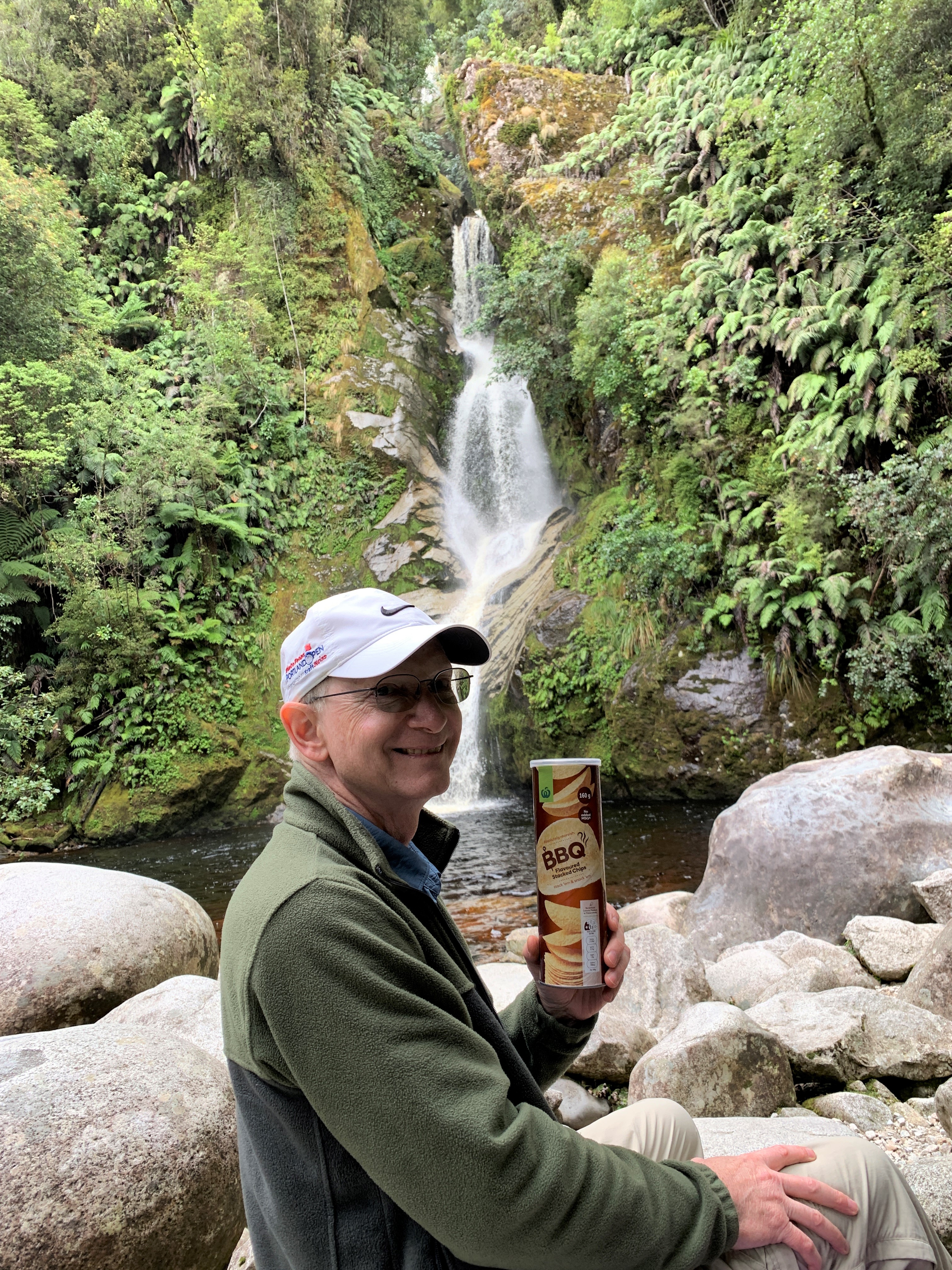
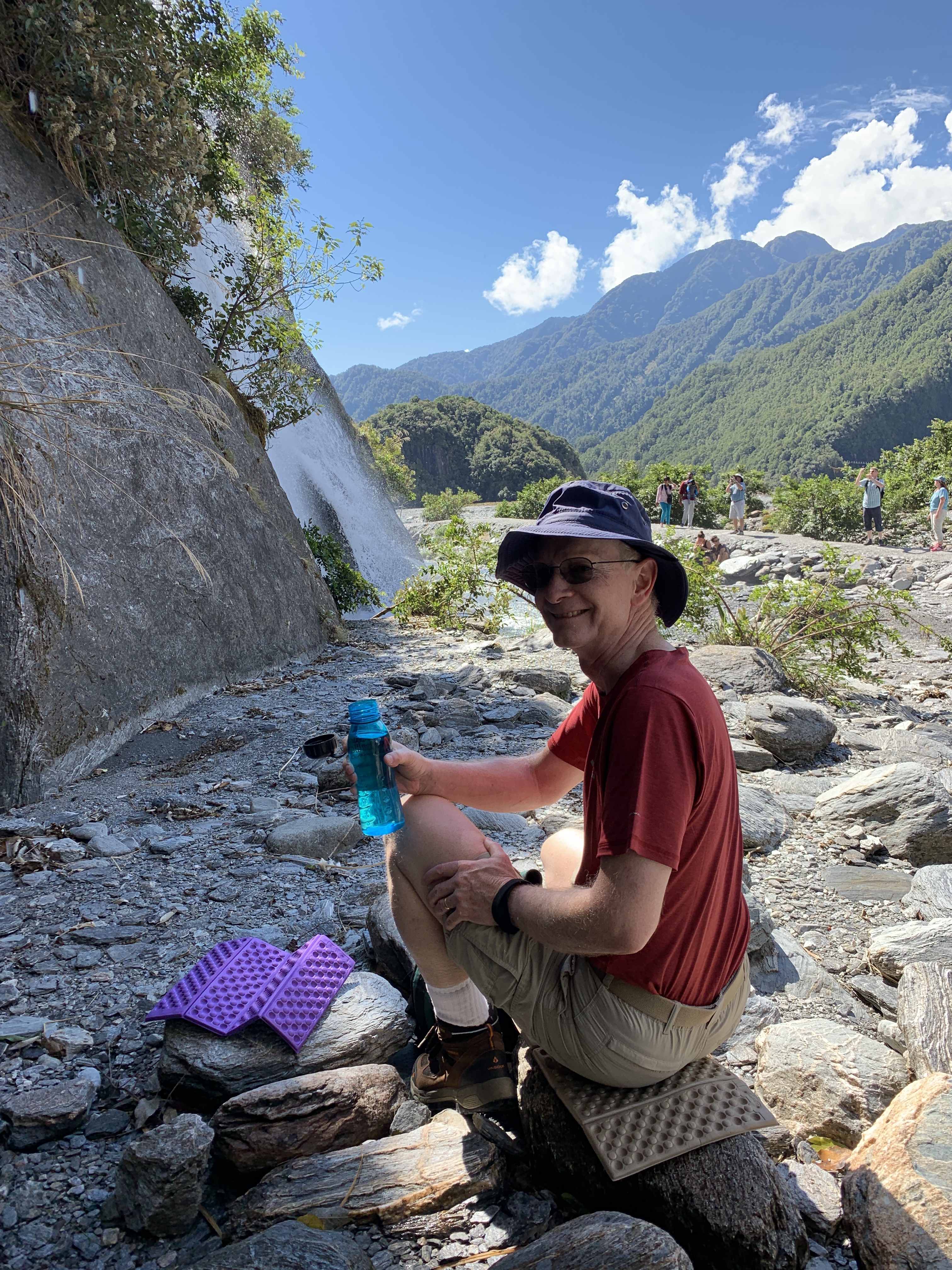
Best of all, the West Coast offers some of the most scenic picnicking imaginable. New Zealand provides picnic spots every few kilometers, many nicely marked. We thoroughly enjoyed our outdoor lunches, but I will probably never eat another peanut butter sandwich. (We tried to add variety with the popular local spread Marmite, but that was a failure.)
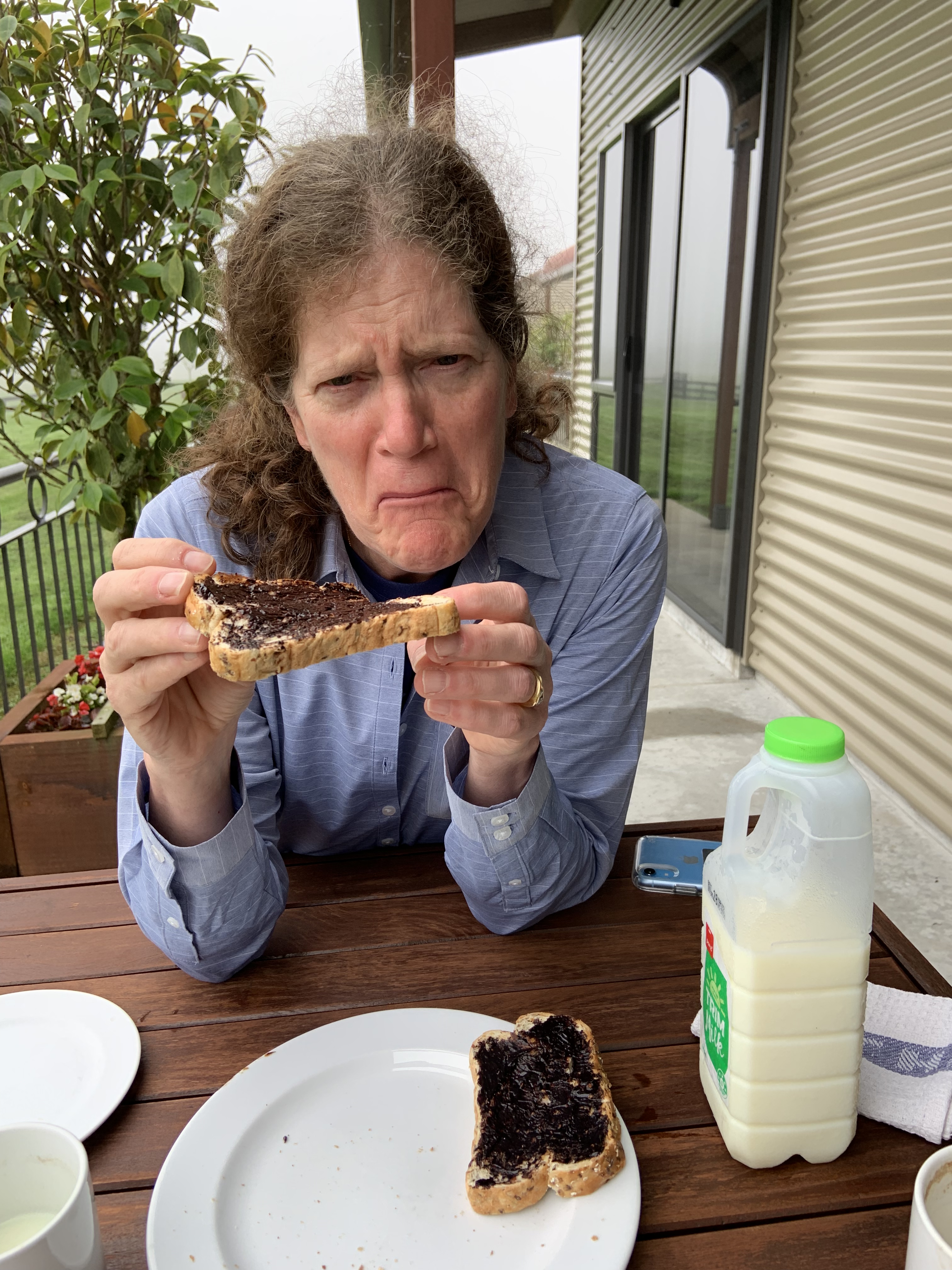
Fun Fact: The McDonald’s menu in New Zealand (yes, we did cave in to an American food craving after the Marmite debacle) includes a Kiwi Burger. It has a fried egg and beet slice on it!

Thank you very much for taking a look at this–as always, we appreciate your sharing our travels! Love, Bob and Sally




 Wandering LeFebers