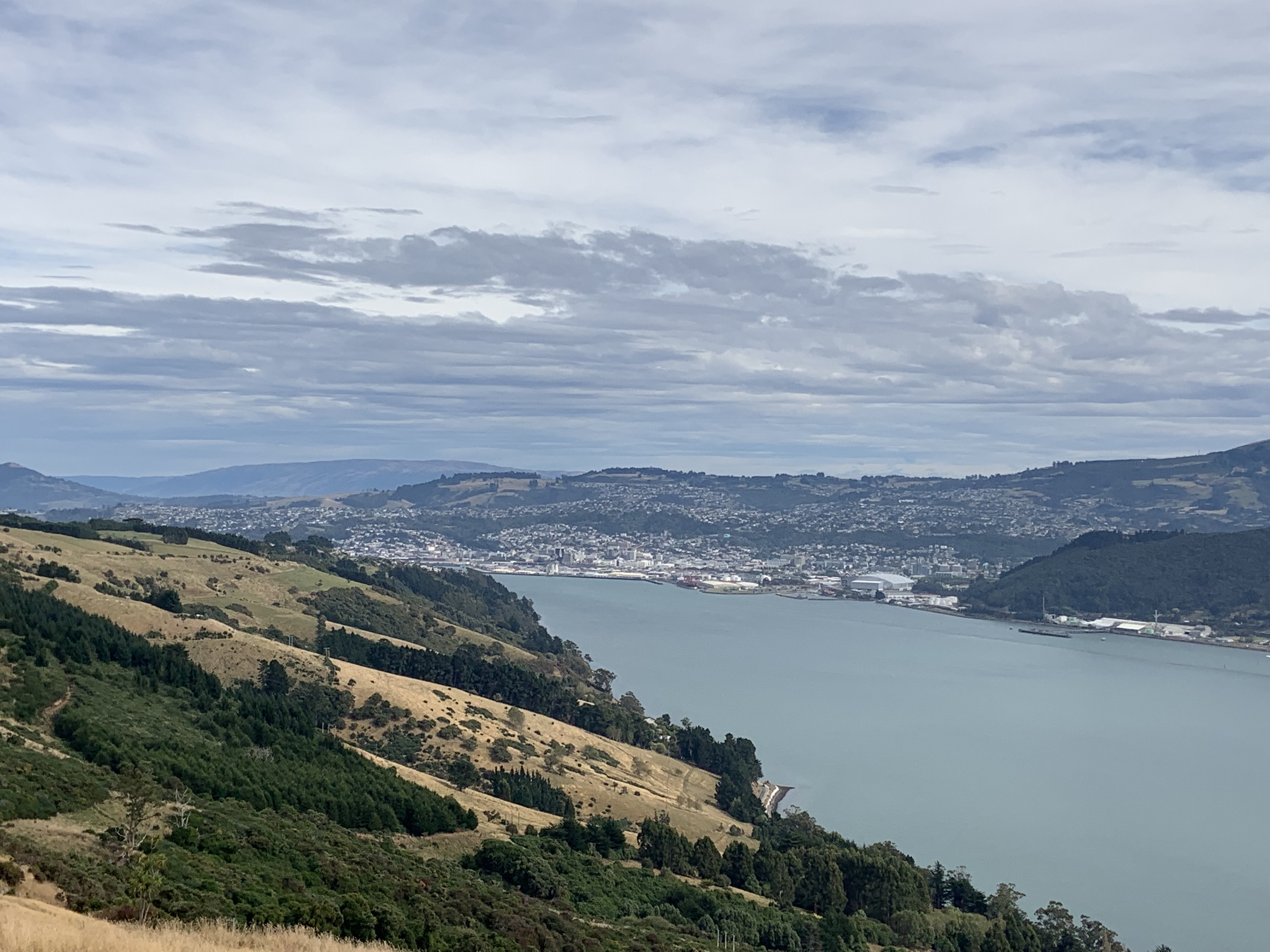
When we told people we were visiting Dunedin (a city in Otago, southeast on the South Island), people often responded with raised eyebrows and a polite comment, “Why would you go there?” Small and less swanky than Auckland and Wellington, Dunedin is often left off tour itineraries. But we wanted to see the city’s University of Otago, where our daughter had studied in 2017. We discovered a city that reminded us of Tacoma, Washington (my hometown, so I can poke fun at it)—a bit faded in places but full of cultural, historical, and natural gems.
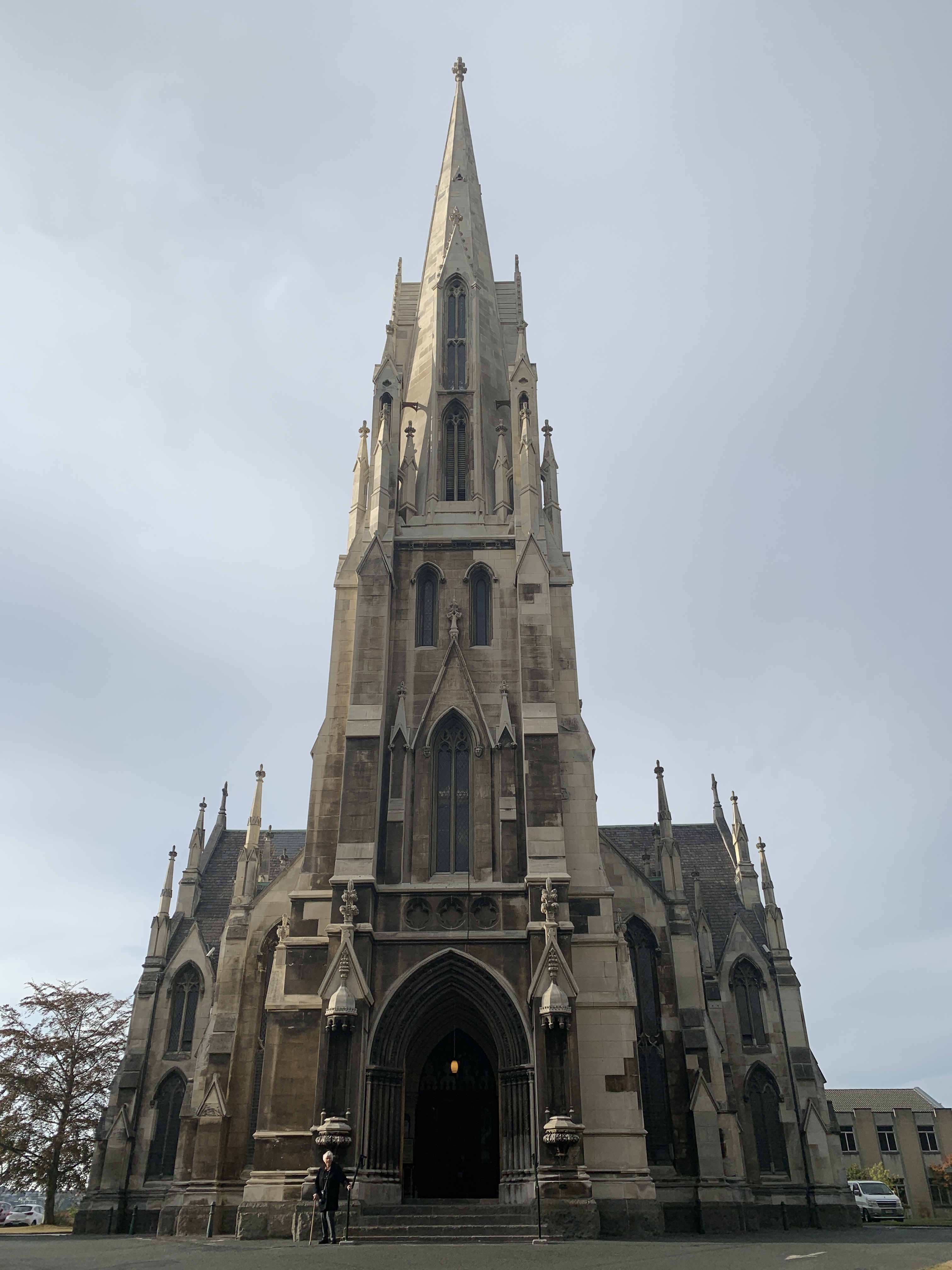
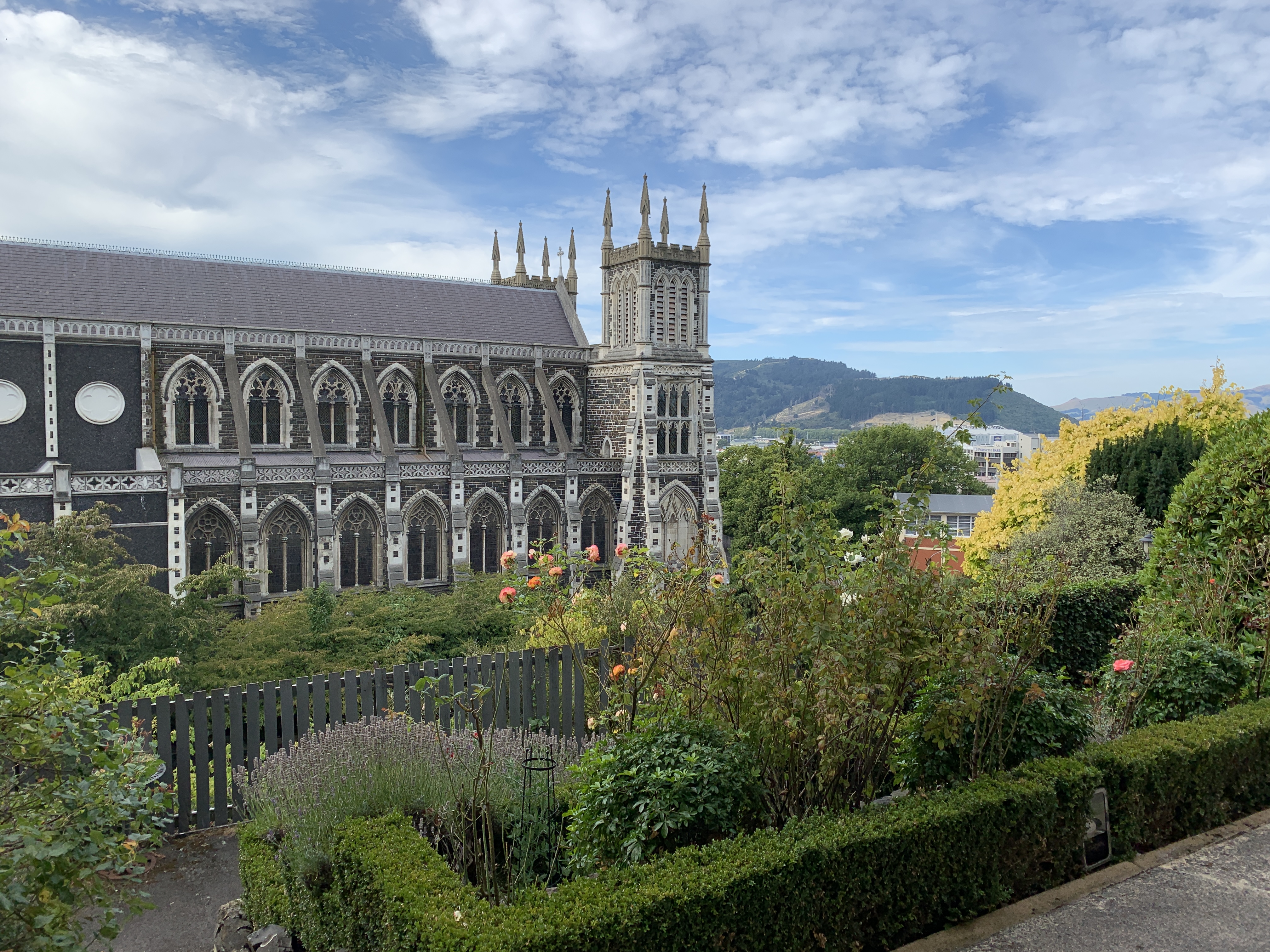
Dunedin was founded in 1848 by settlers from the Scottish Free Church (Presbyterians). The day they arrived they organized a town and the First Church of Otago. The church is enormous and beautiful, crafted from local stone, featuring high wood ceilings and colorful stained glass.
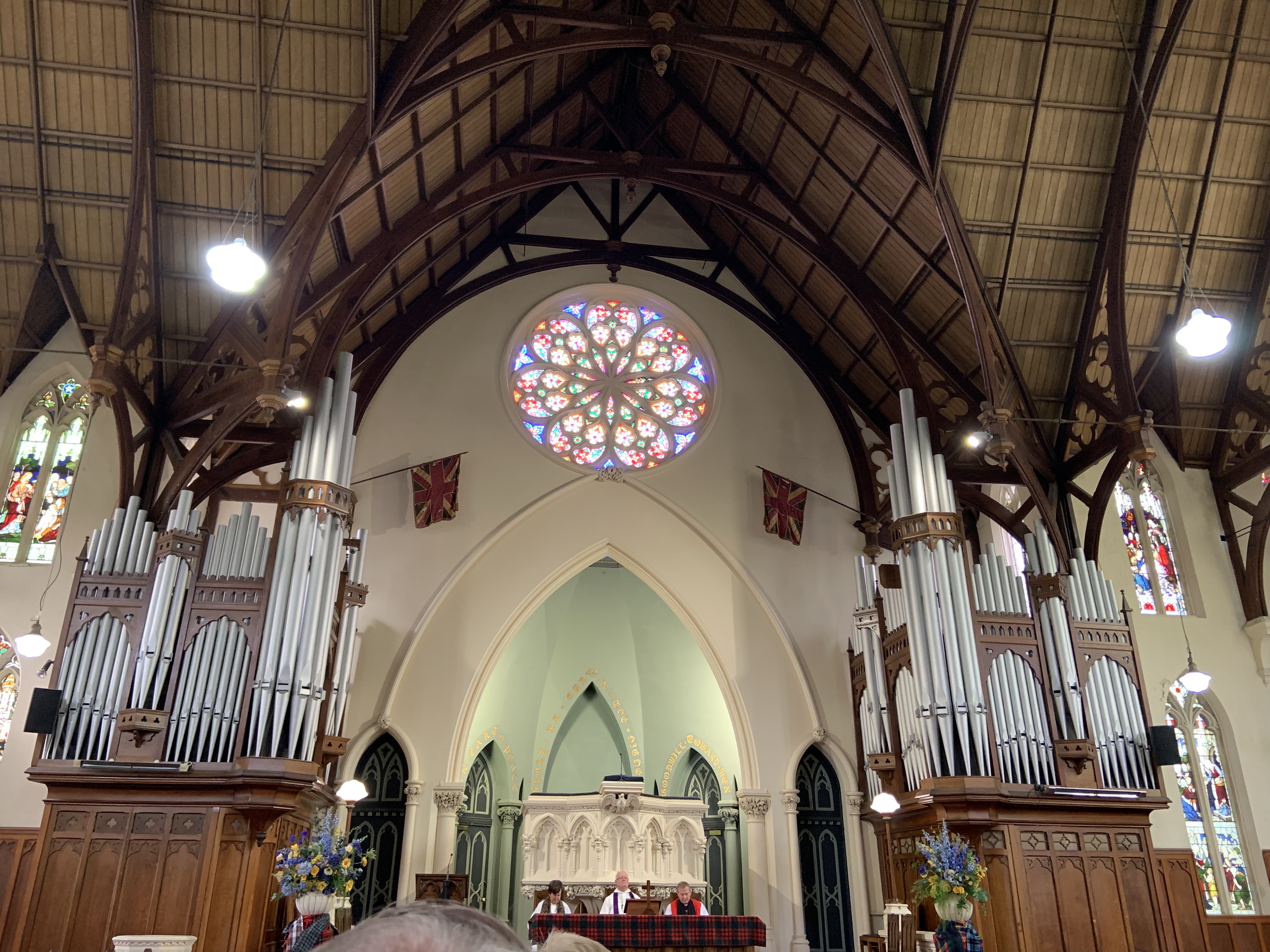
The church still adheres to its Scottish roots, which are reflected in its alter decor and a bagpiper who played several hymns at the conclusion of the service. Scottish hospitality still reigns; we were invited for “a cuppa” by the many kind congregants who greeted us during the service.


FUN FACT: The wood in the ceiling and floor of First Church of Otago came from the Oregon Territory. There was plenty of wood in New Zealand, but it was not seasoned enough for construction. Oregon timber, after its lengthy sea journey, did the trick.
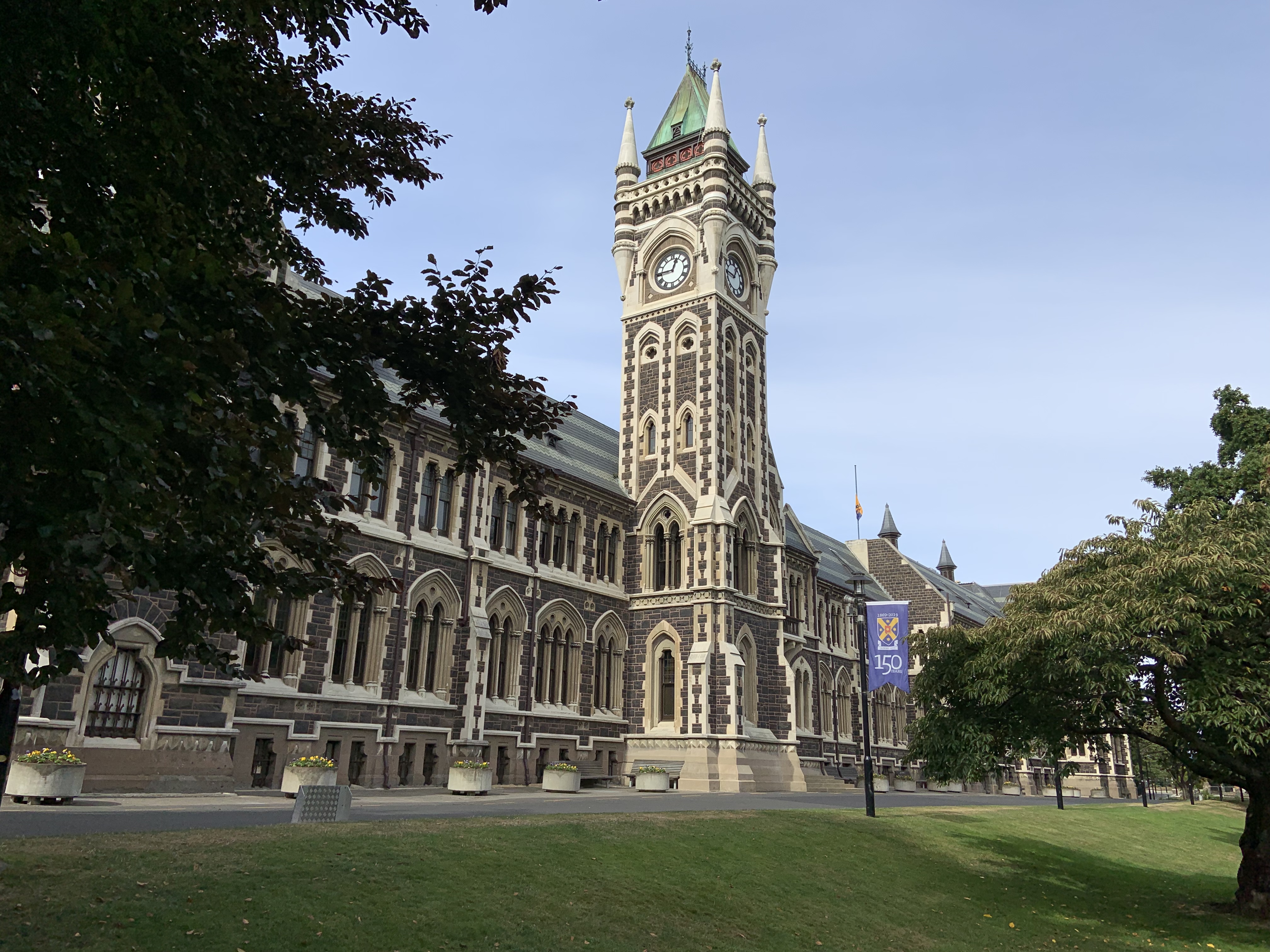
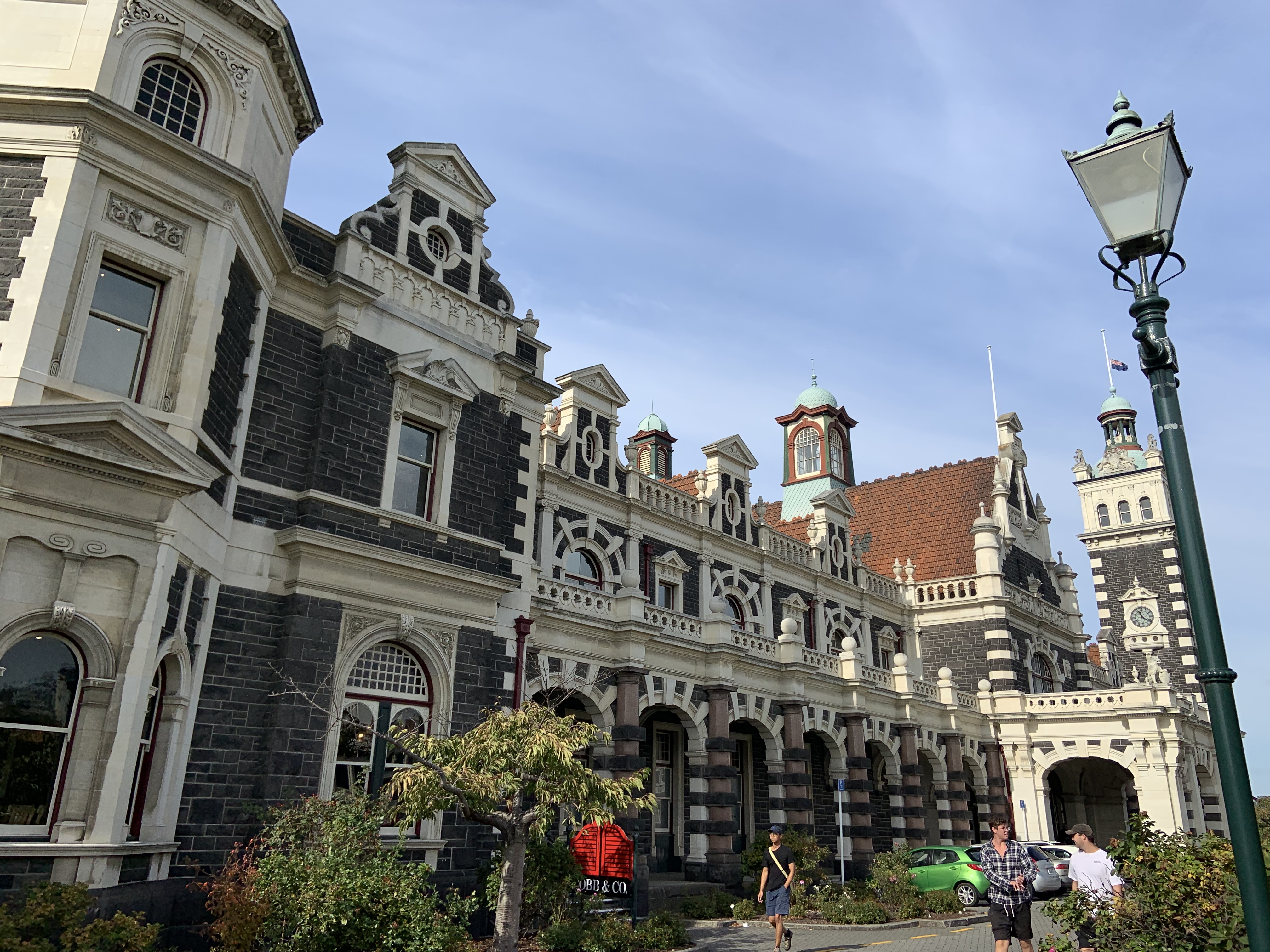
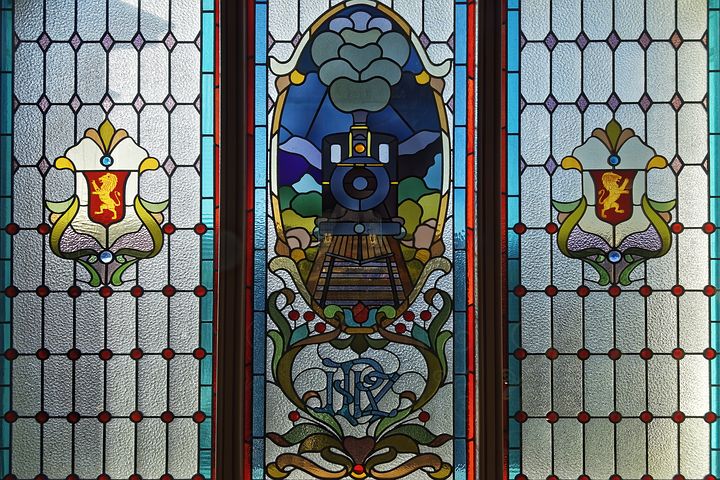
The Scottish influence is also on display in the architecture of the University, the Catholic church, and the train station. We loved the tile floors and windows in the train station with their detailed mosaics of train scenery.

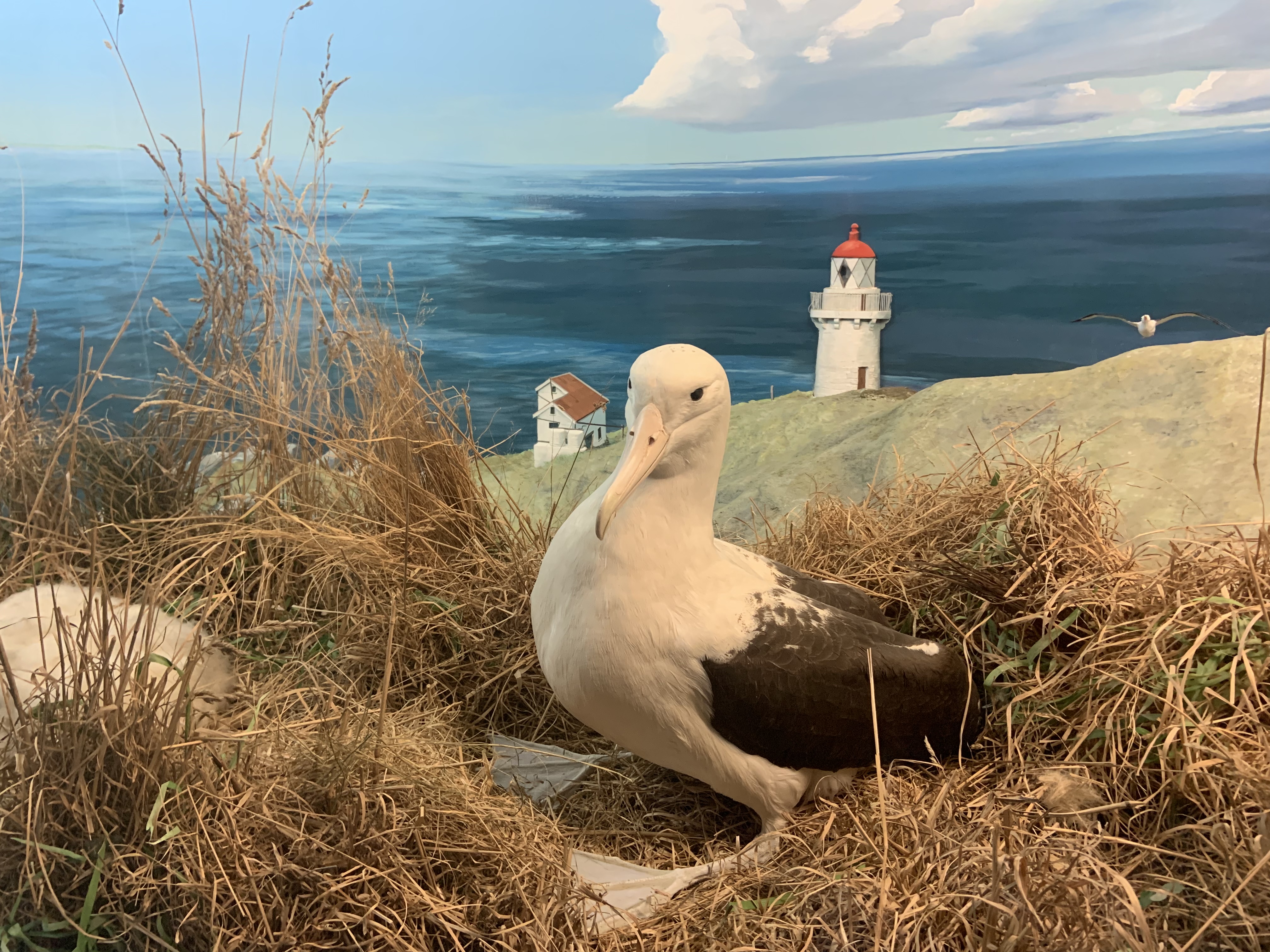
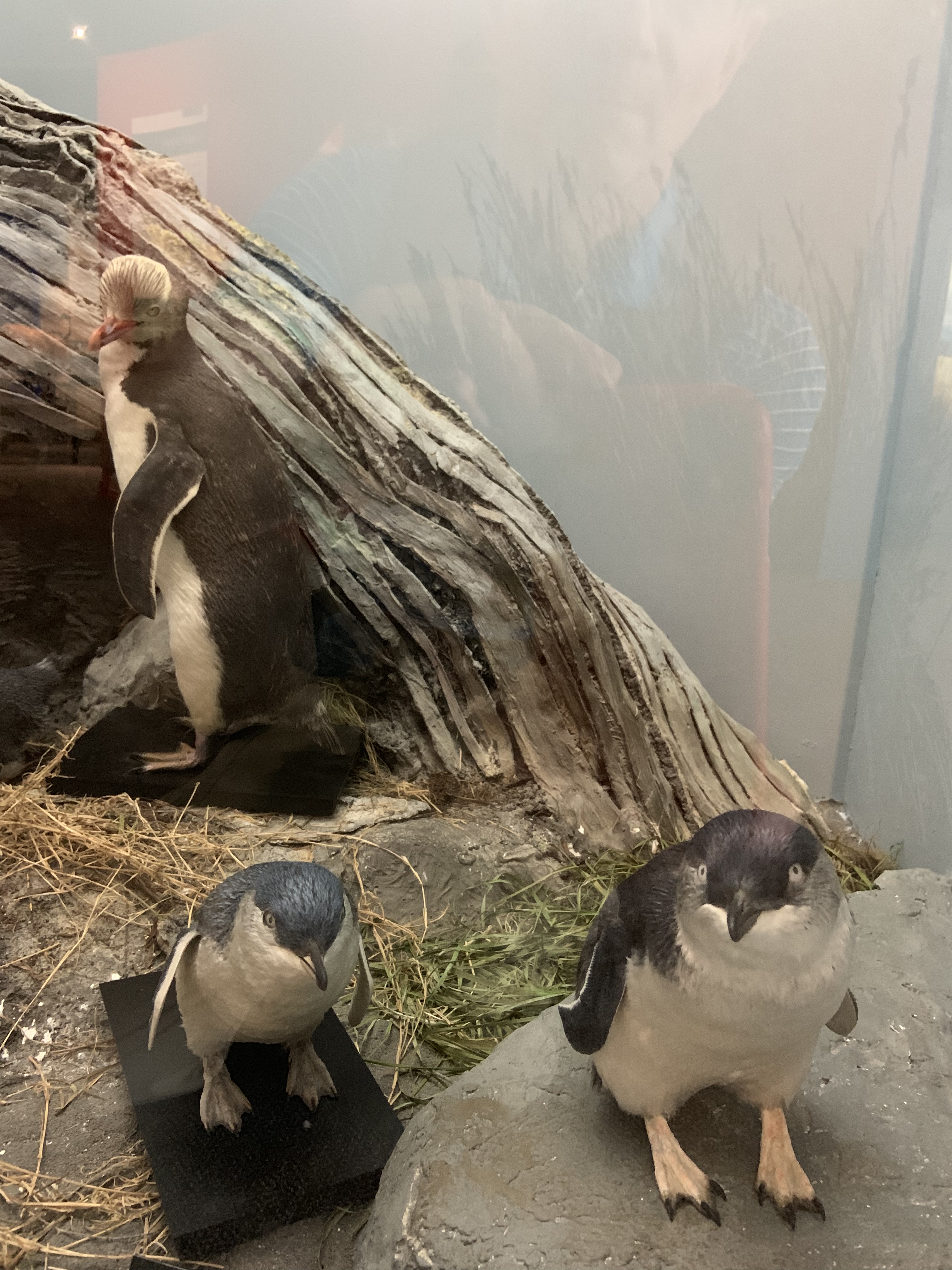
The Otago Museum is outstanding and had the best natural history display of all the museums we visited in New Zealand. The life-sized dioramas of native birds and mammals are excellent.
Hungry? Dunedin had plenty of restaurants, but we especially enjoyed the fresh food at the colorful farmer’s market–and walking around with a cup borrowed from the cup lending library!



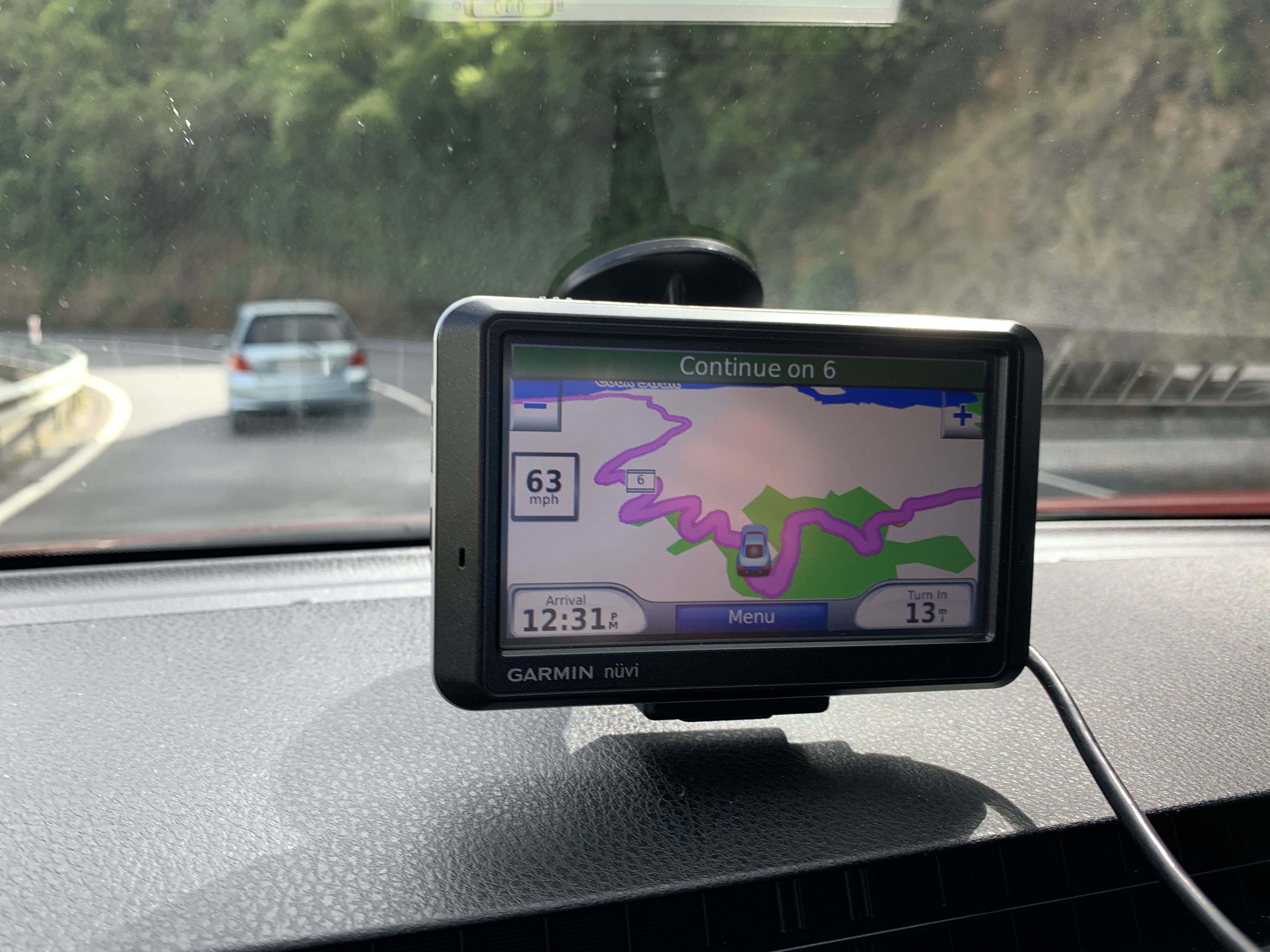
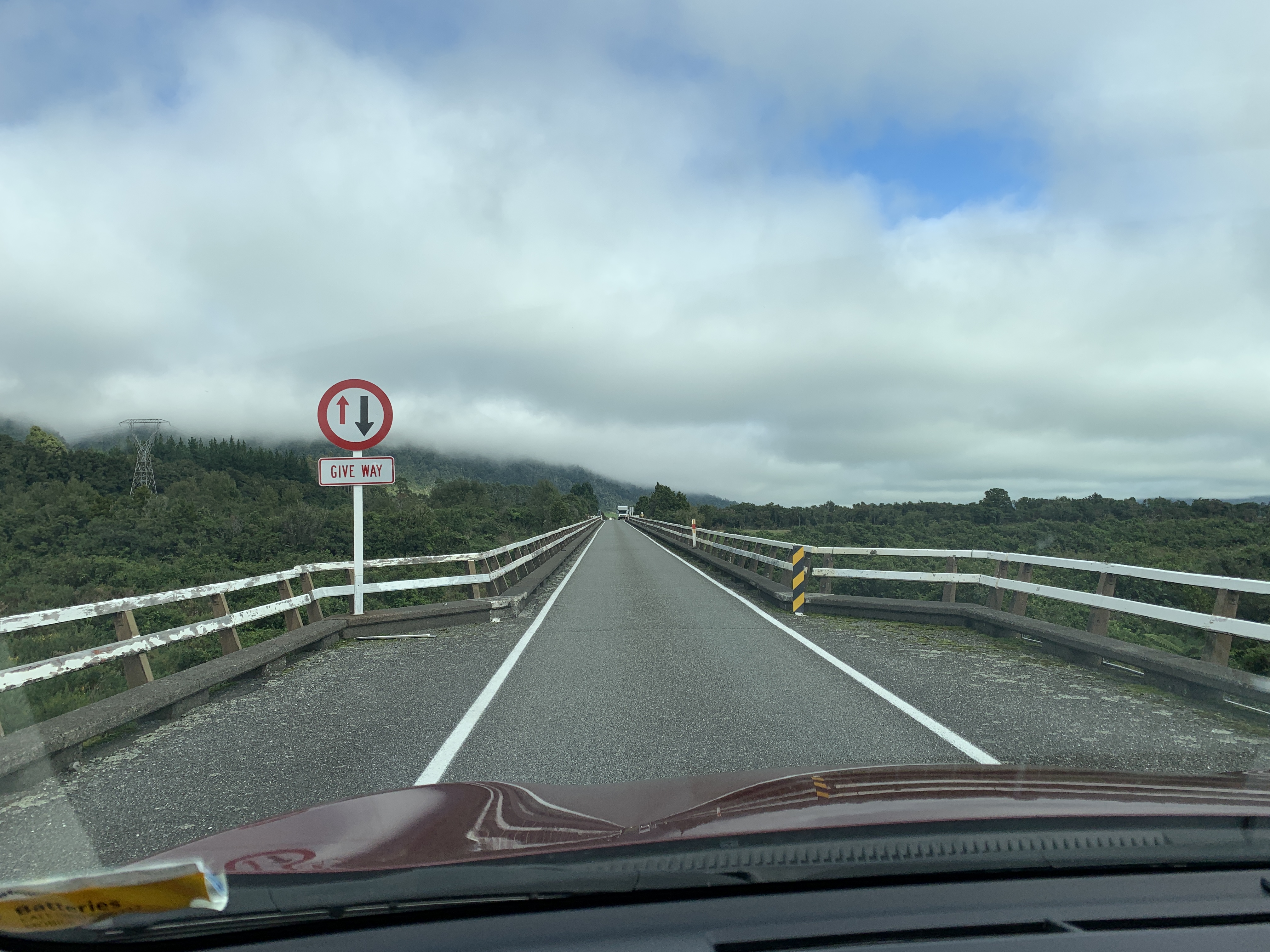
Unfortunately, the roads did not mimic Tacoma’s wide, nicely shouldered and guard-railed highways. Like the rest of New Zealand, the roads are curvy, cliff-like, and feature guard rails made of toothpicks and dental floss.
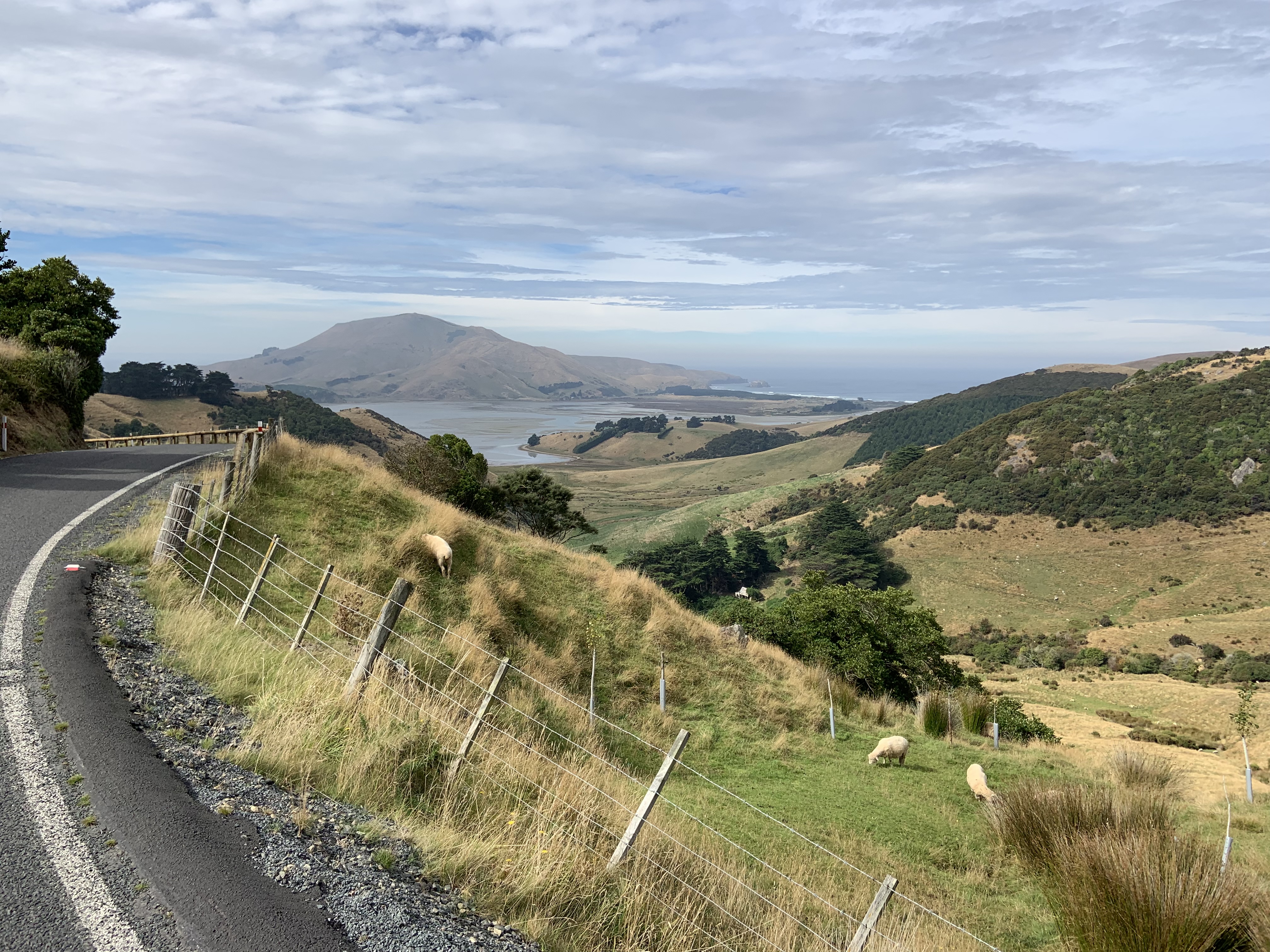
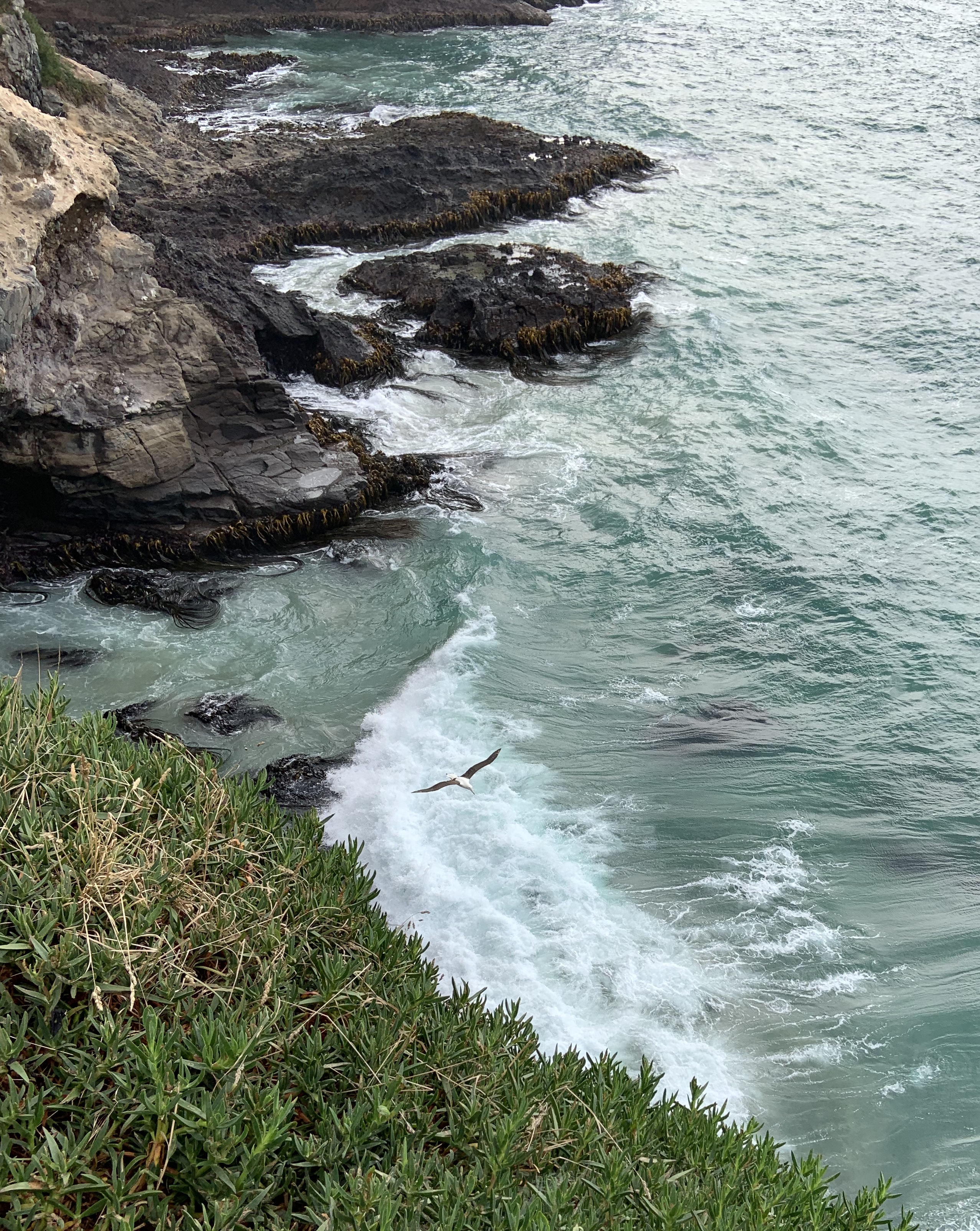
However, the perilous drives are rewarded with spectacular scenery just east of Dunedin. Beaches, rolling hills, and nicely flocked seagulls are on display on the Otago Peninsula
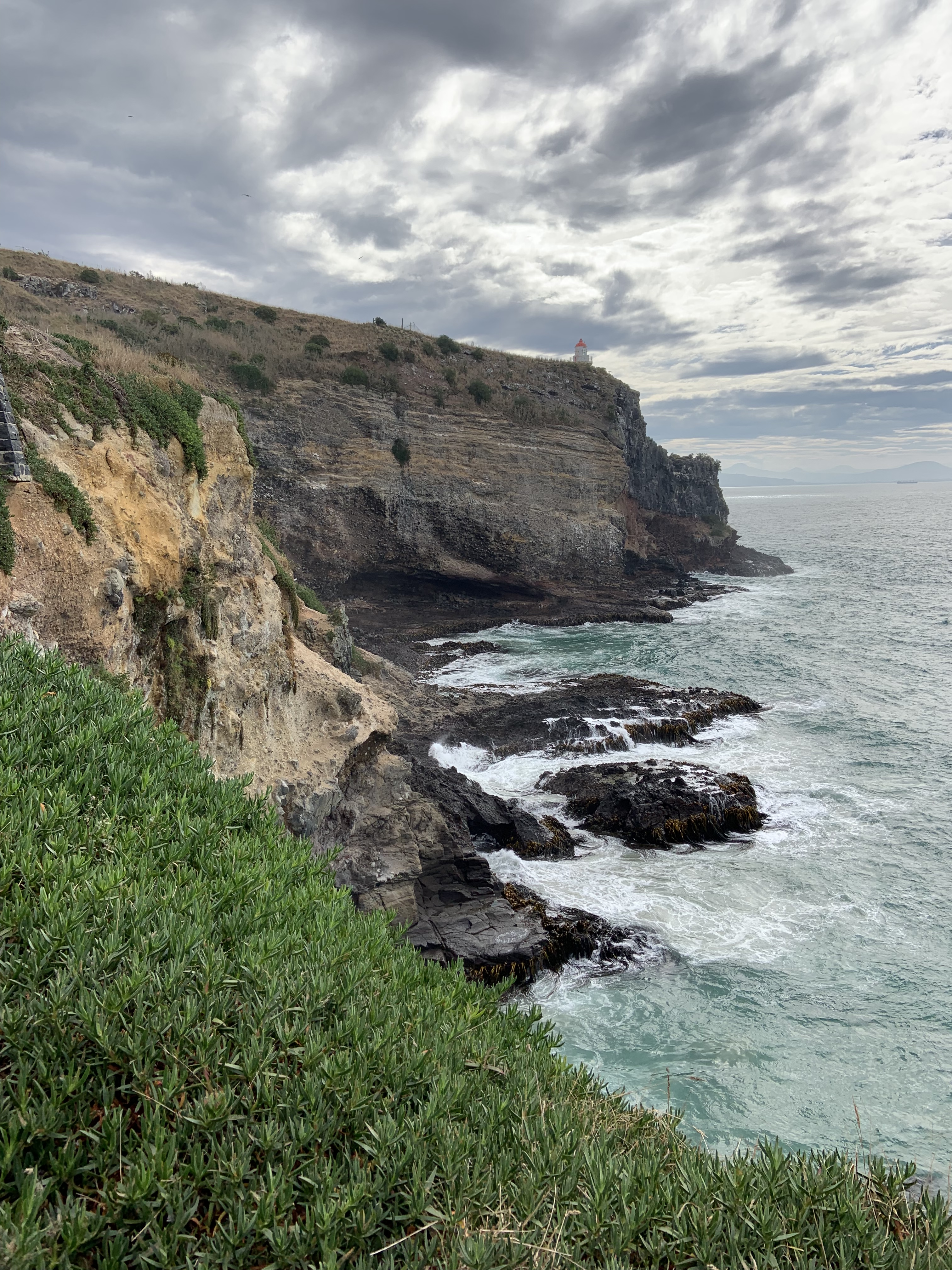
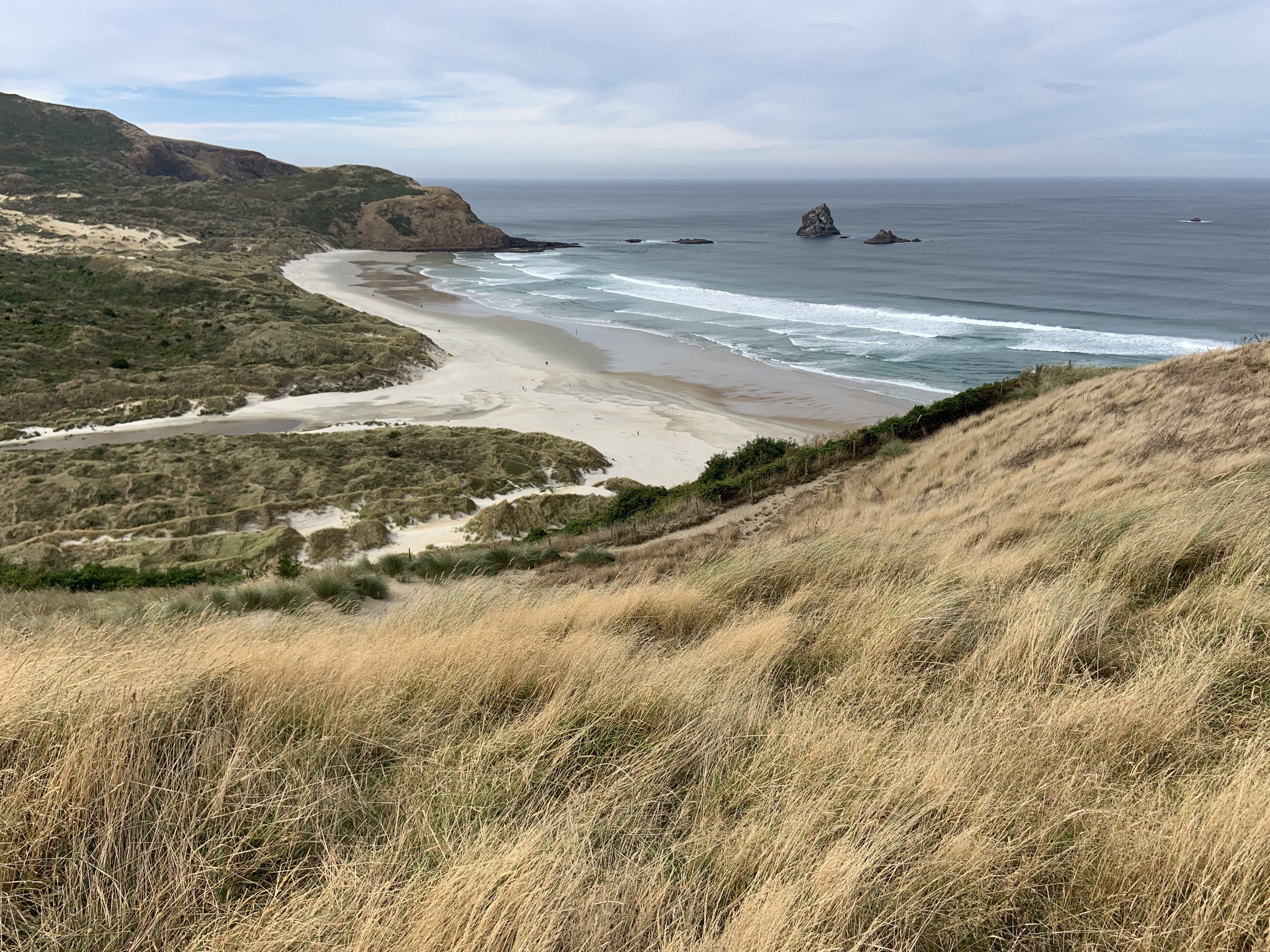

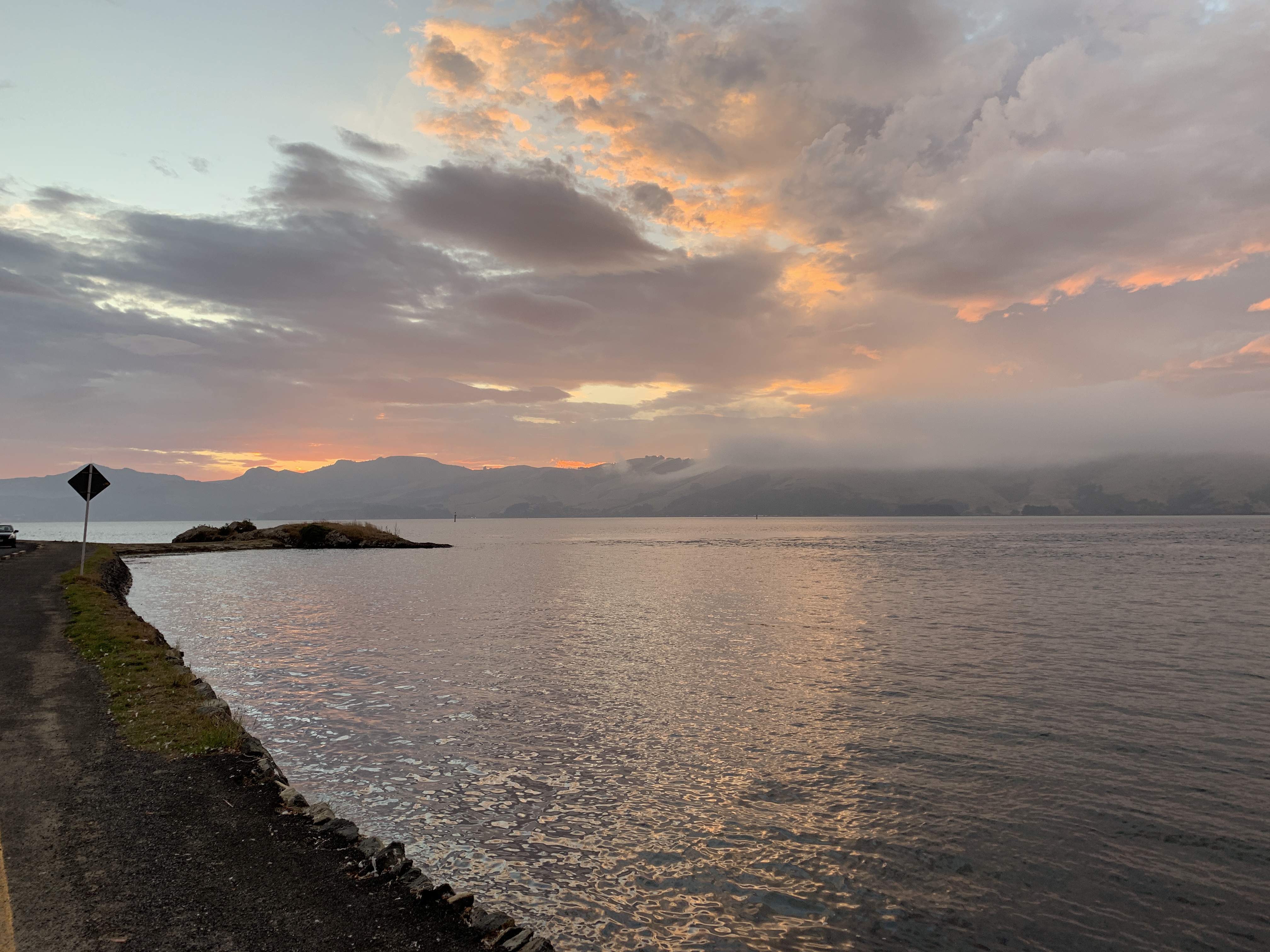
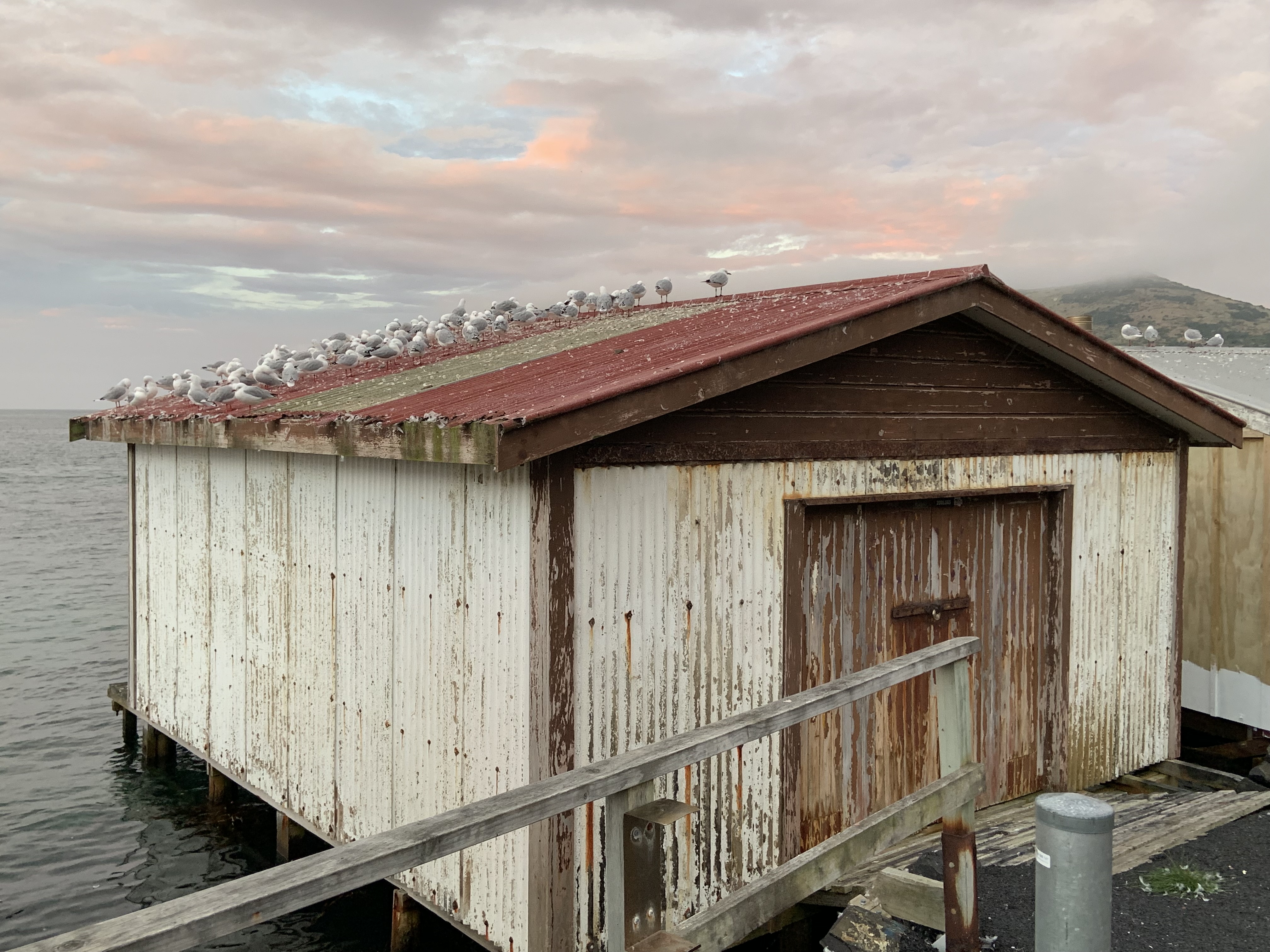
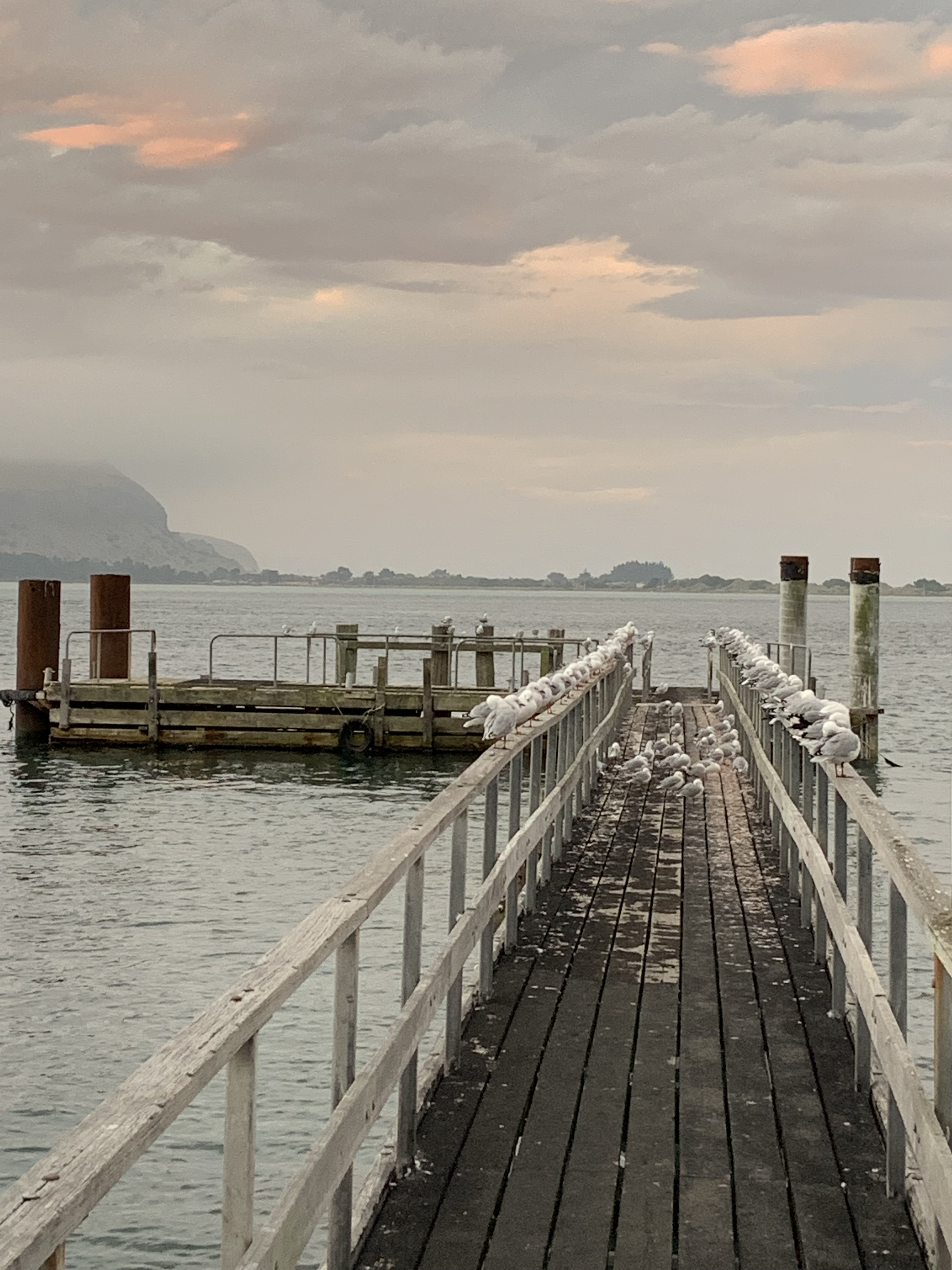
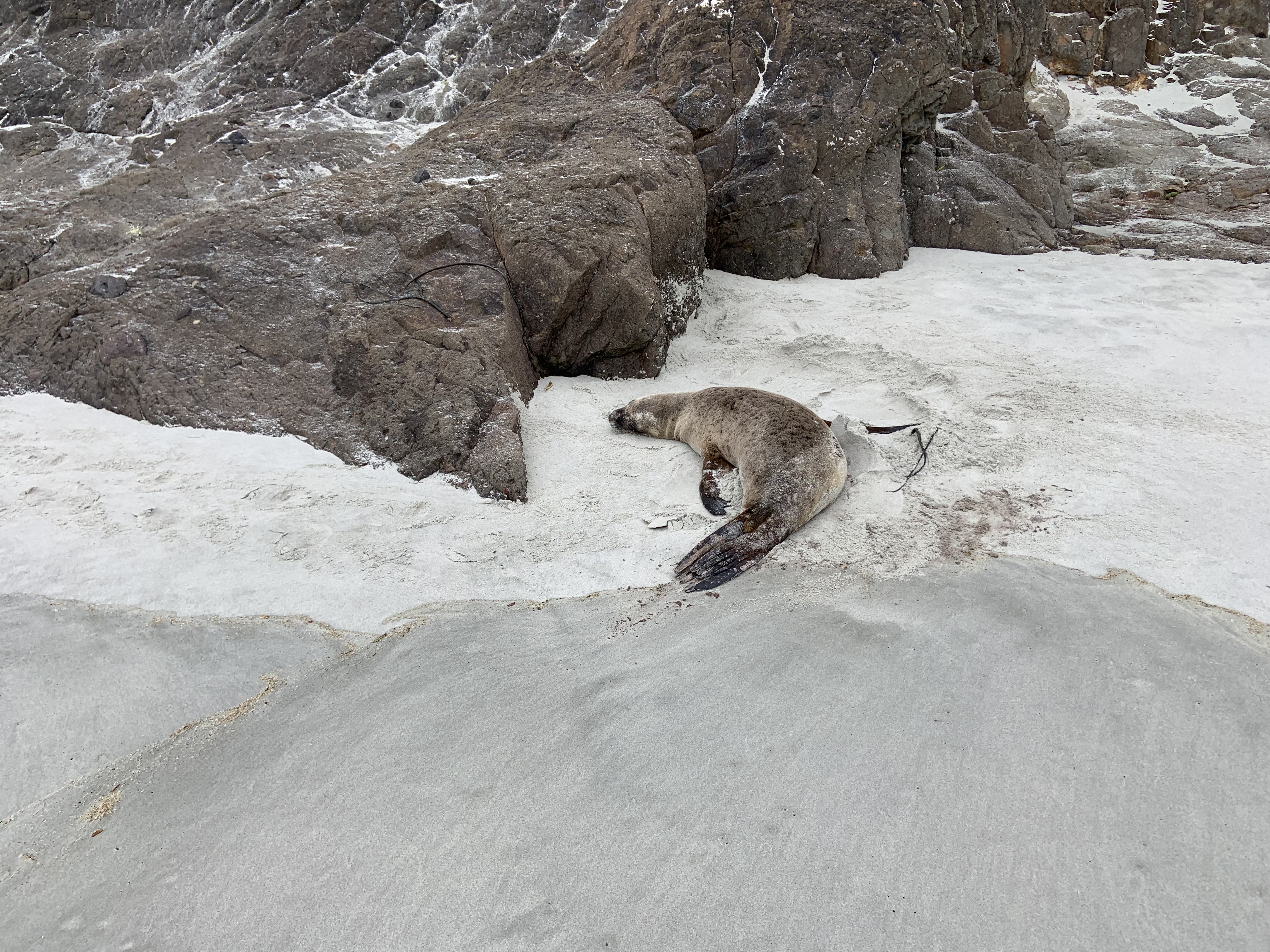
The Otago Peninsula also features really fun wildlife. There are large sea lions snoozing on sandy beaches. They look like logs until you get close. But don’t get too close—we watched one angrily chase two girls. Who knew those awkward bodies equipped only with flippers could move so fast?!


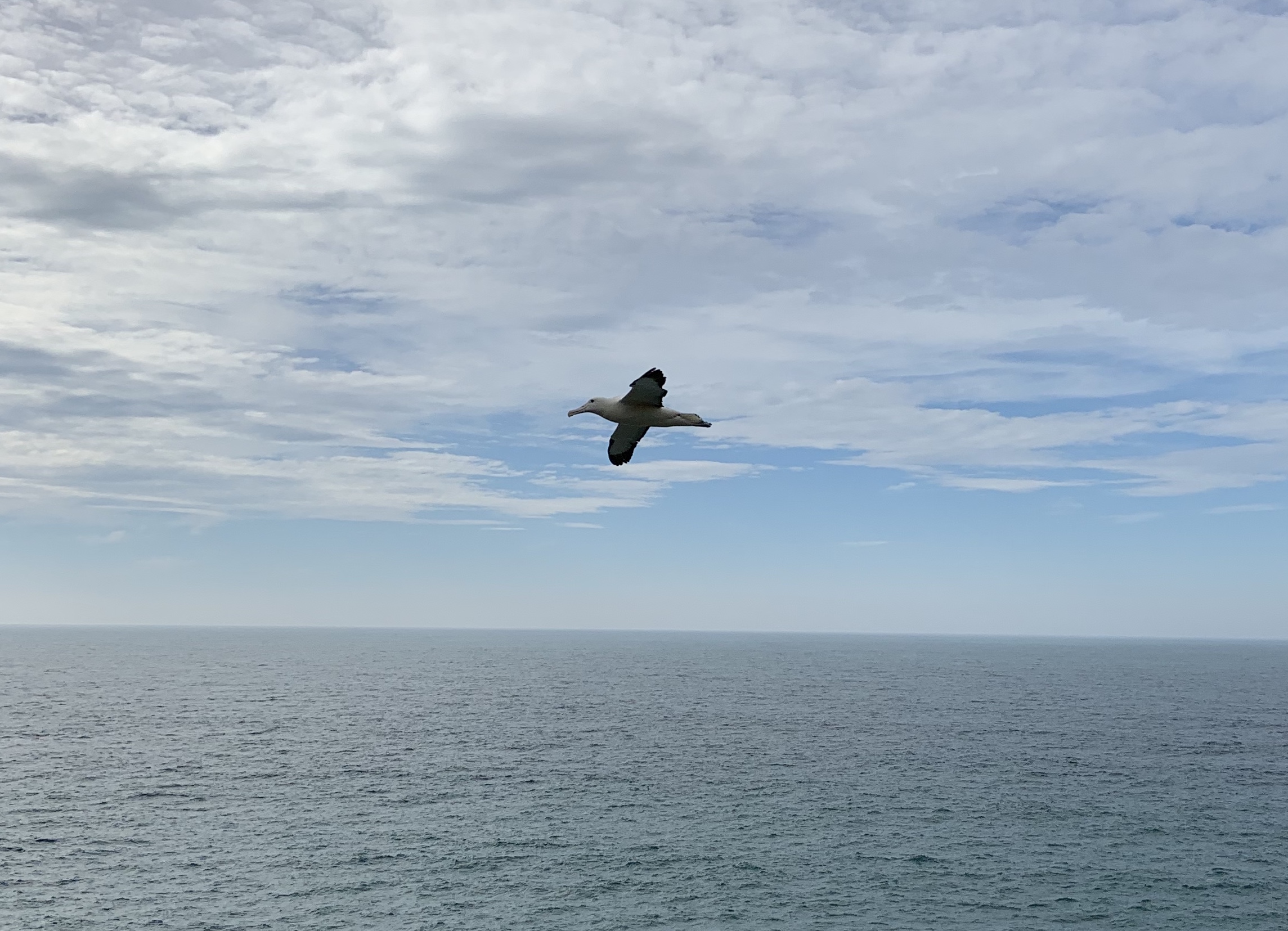
We were fortunate to see several enormous Royal Albatrosses fly very close to us. Their flight is elegant, nearly effortless.
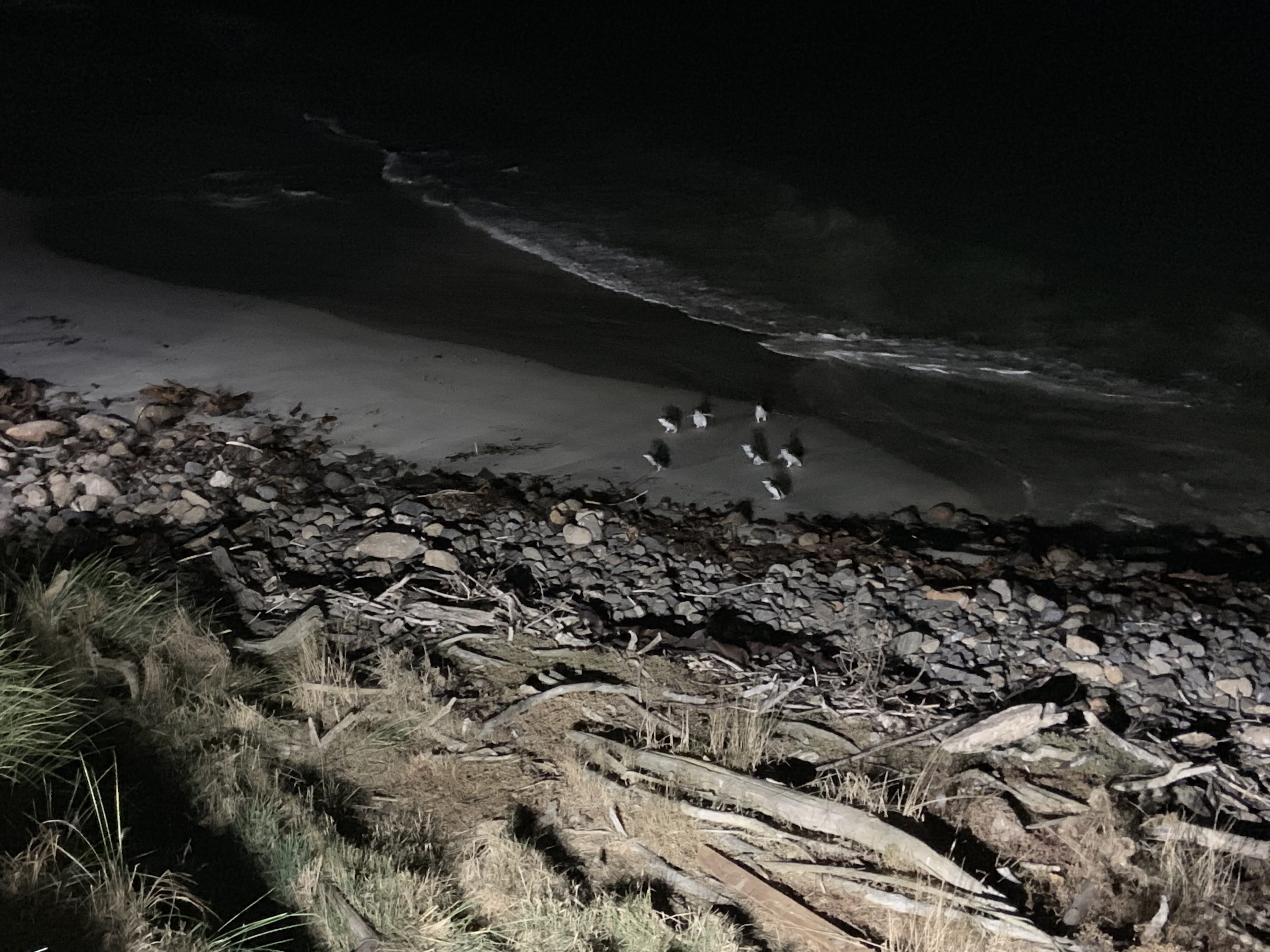
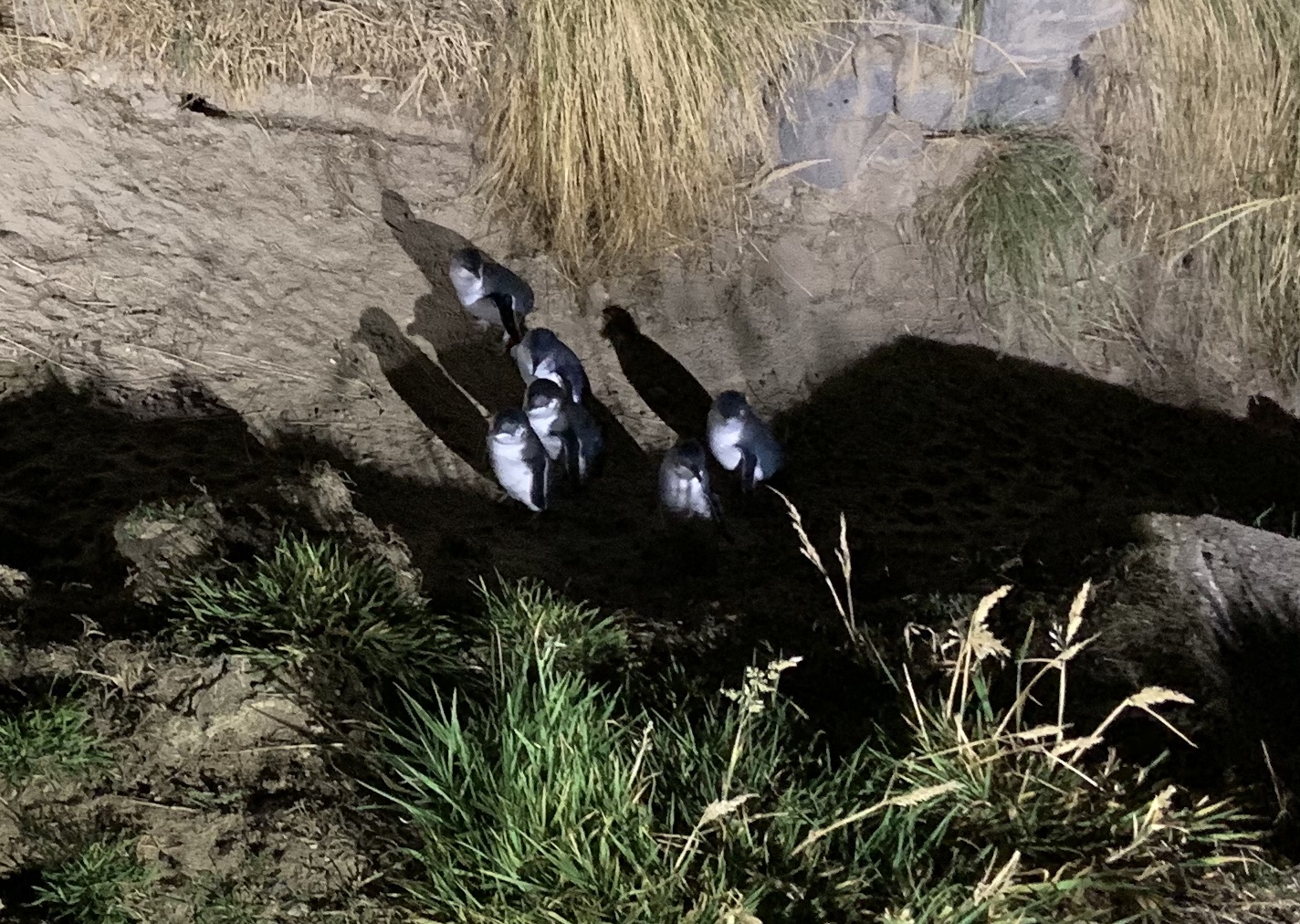
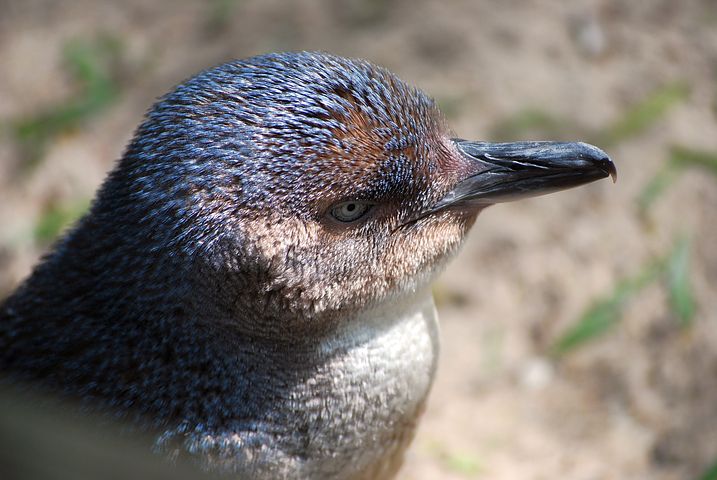
The frosting on the wildlife viewing cake was watching seven tiny blue penguins swim out of the surf and waddle to their nest boxes in grassy banks. They are only about twelve inches tall and could not have been been any cuter.
For all these reasons we are very happy we defied quizzical looks from other travelers. Dunedin is charming, and worth every moment we spent there.
As always, thank you for reading this and looking at our photos. We really do appreciate it!
FUN FACT NUMBER TWO: Cromwell is a city about 125 miles northwest of Dunedin. It is well-known for its giant fruit sculpture, but it SHOULD be known for the world’s best cinnamon roll. Seriously, if you are near Cromwell, find the historic part of town and indulge. It is well worth the calories.







 Wandering LeFebers