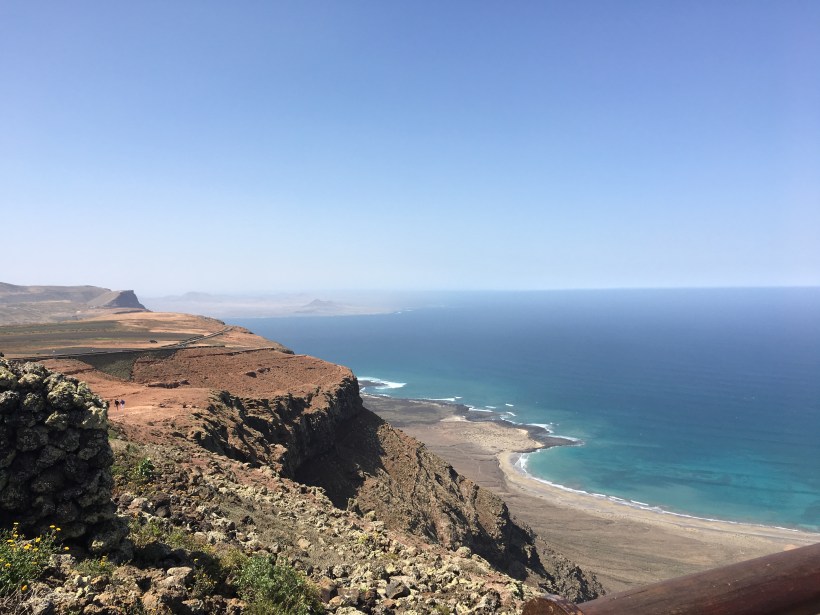
About a year ago I bumped into my friend Debbie at a blood drive. She asked if we had any upcoming travel plans. I mentioned Spain, but admitted I knew nothing about Spain and didn’t know where to go. Her face lit up as she said, “You must go to Lanzarote.” “Lanza-what?” I asked. “Lanzarote,” she replied happily. “It’s one of the Canary Islands. You will love it.”
I went home, looked up Lanzarote, and was intrigued. It looked warm and casual, the perfect interlude between our urban destinations of Paris and Lisbon. Better yet, Debbie recommended a place to stay and offered loads of books and maps for planning. Itinerary complete. Thank you, Debbie!
We arrived on the island intending simply to recover from Paris and soak up some sun. But Lanzarote had other plans for us. We were lured out of our beach chairs when we discovered the island’s variety of landscape and activities. We spent a fascinating week driving Lanzarote’s excellent roads, enthusiastically discovering spectacular scenery and captivating art. We discovered there is something here for everyone. From geologists to artists, anyone can find a “happy place.”
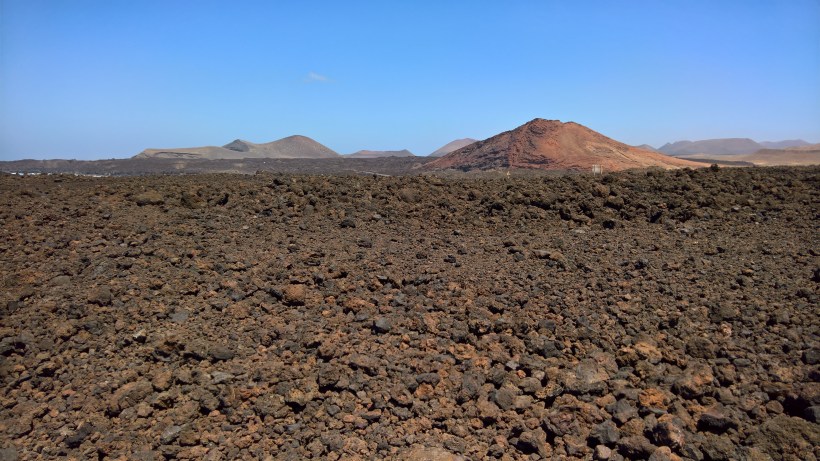
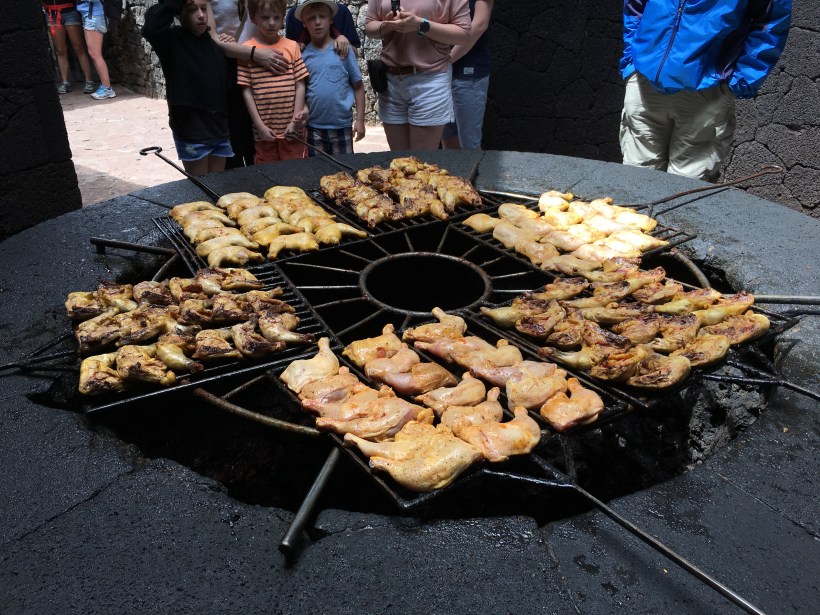
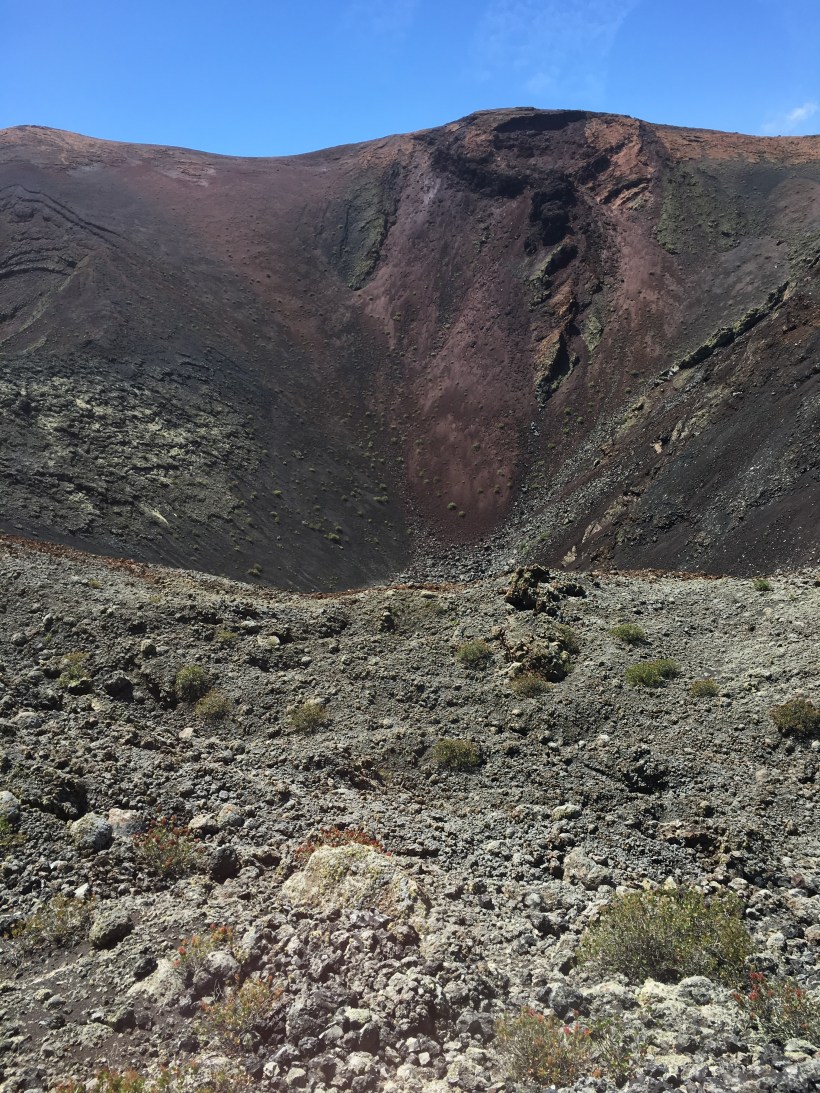
If you are a geology enthusiast, you can study Lanzarote’s volcanic landscape. Major eruptions occurred in 1730 and 1736, leaving parts of the island dotted with reddish cinder cones, jagged black lava fields, interesting rock formations, and occasional intrepid plants. The earth is still so hot from the eruptions that a restaurant in the Timanfaya National Park serves chicken grilled over a volcanic hot spot.
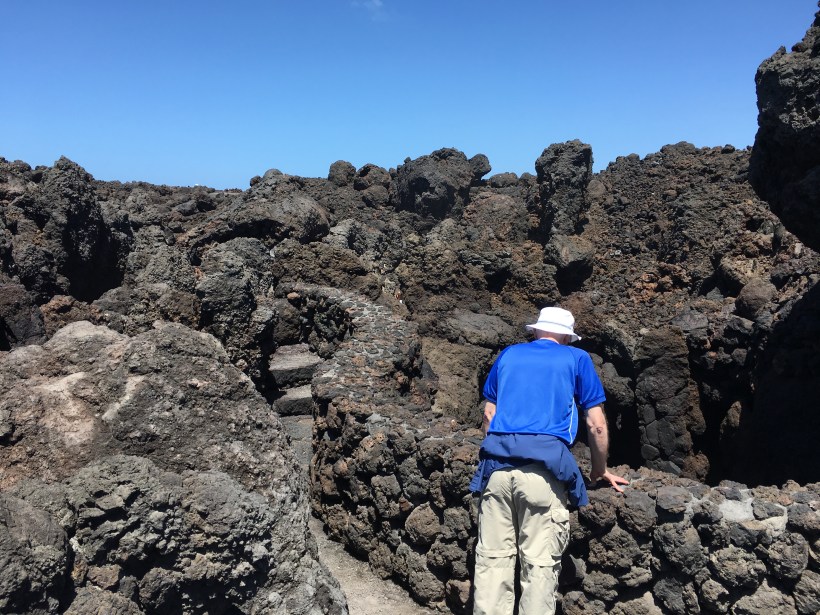

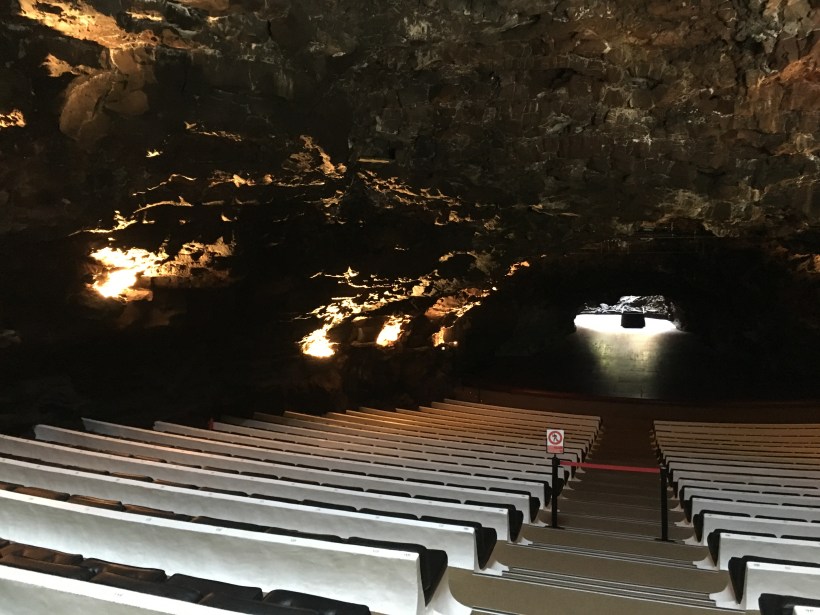
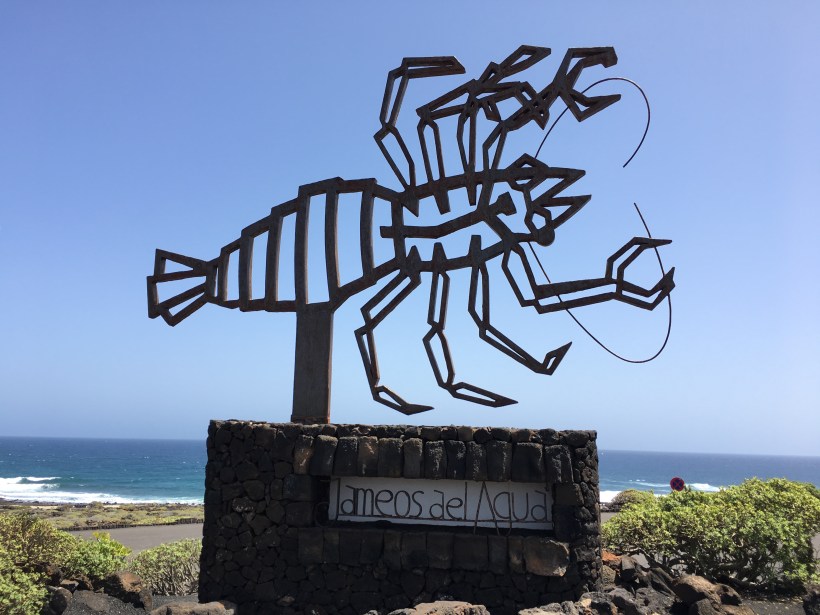
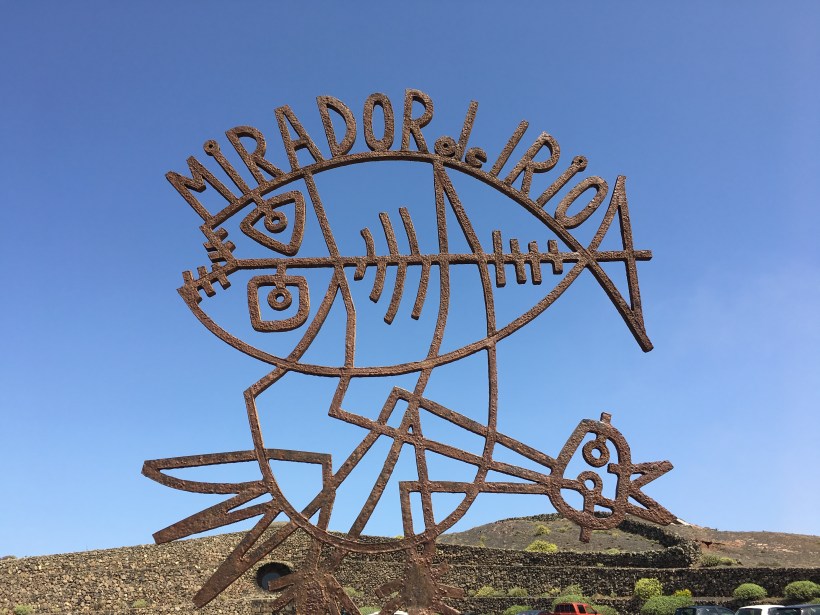
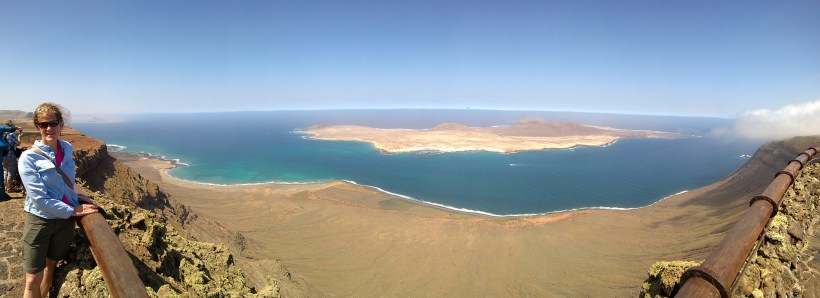
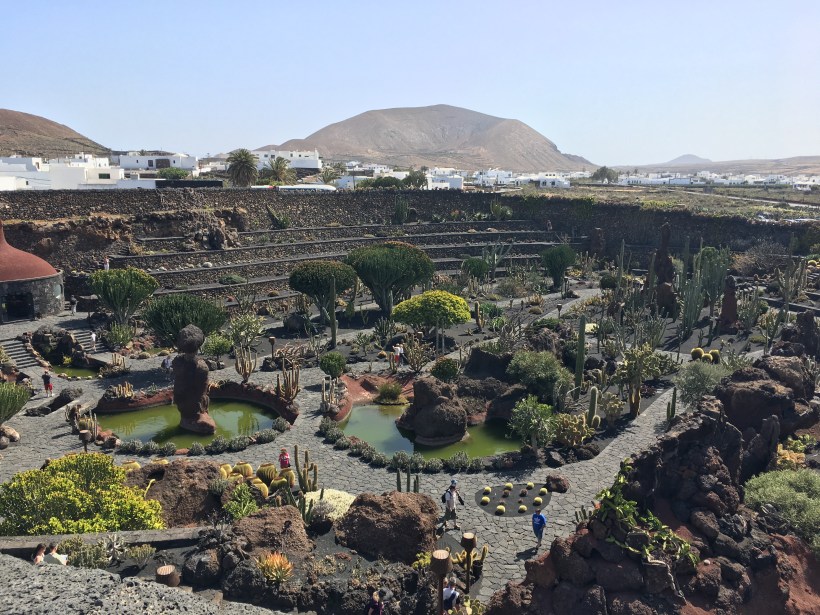
If you enjoy art, you can seek out the art and architecture of Cesar Manrique. Born on Lanzarote, Manrique achieved international recognition and lived in New York before returning to his home to encourage careful development of the island. He specialized in integrating Lanzarote’s natural features into fascinating “structures” that highlight the colors, textures, scenery, and shapes of his homeland. He created his home and a large auditorium in underground lava bubbles (Fundacion Cesar Manrique, Jameos del Agua). This could be a claustrophobe’s nightmare, but he carefully uses natural light and color to replace gloom with glory. You can also see his art in other installations throughout the island, including a fantastic scenic lookout hidden in a cliff on northern Lanzarote (Mirador del Rio). (Manrique labeled bathrooms uniquely at each site. I spared you the more graphic signs.)


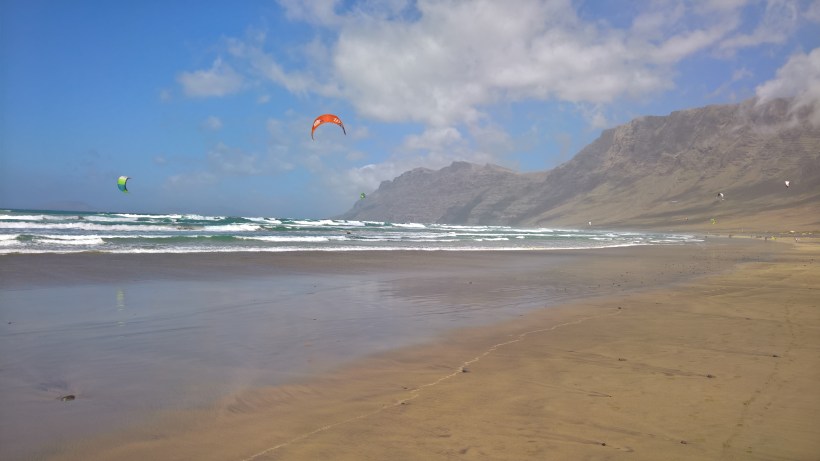
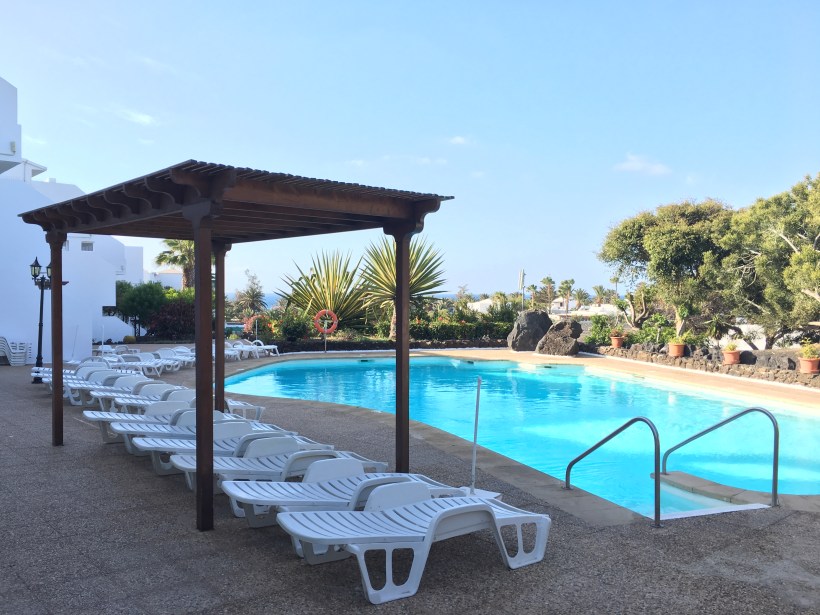
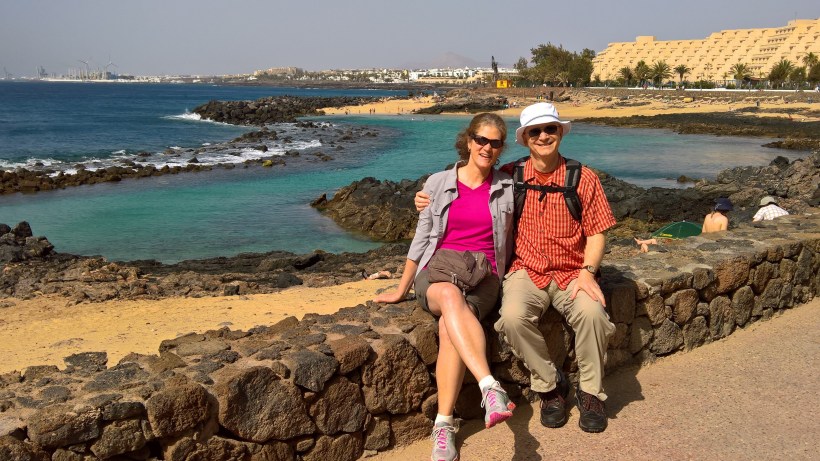
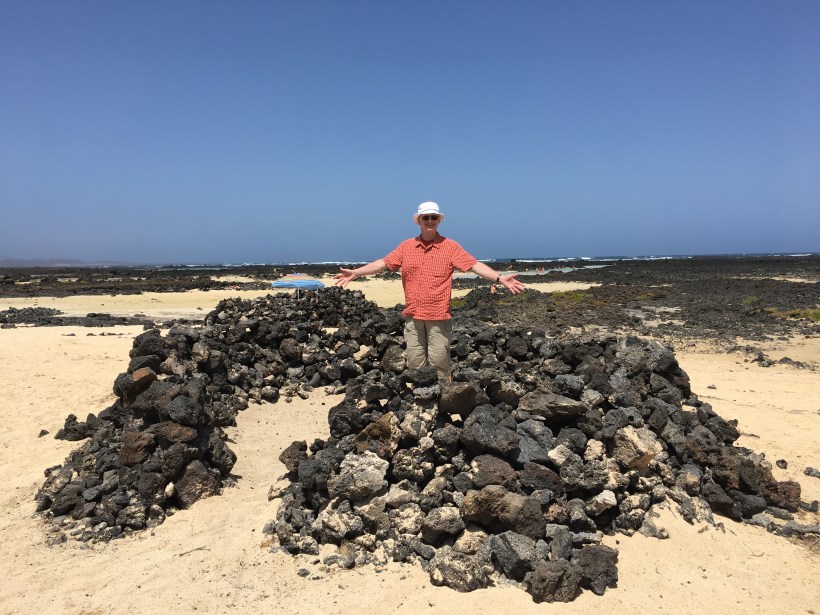
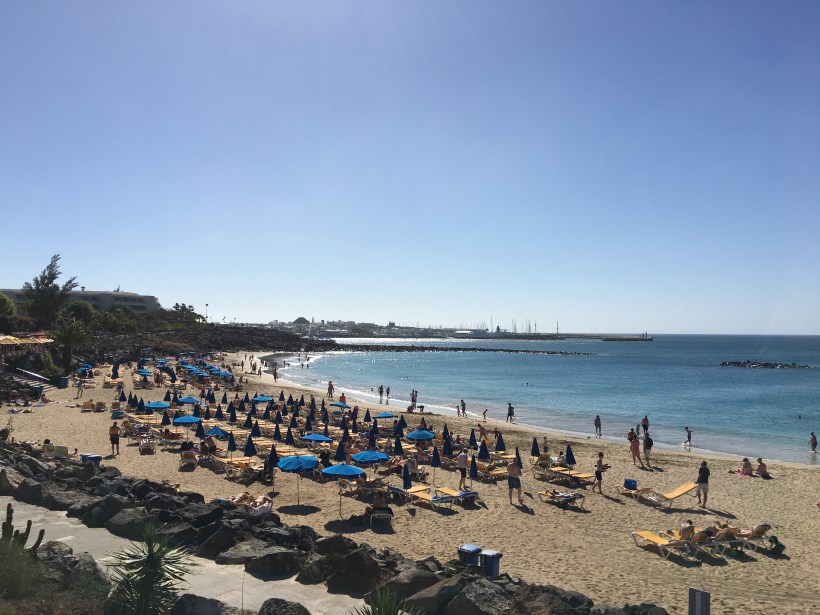
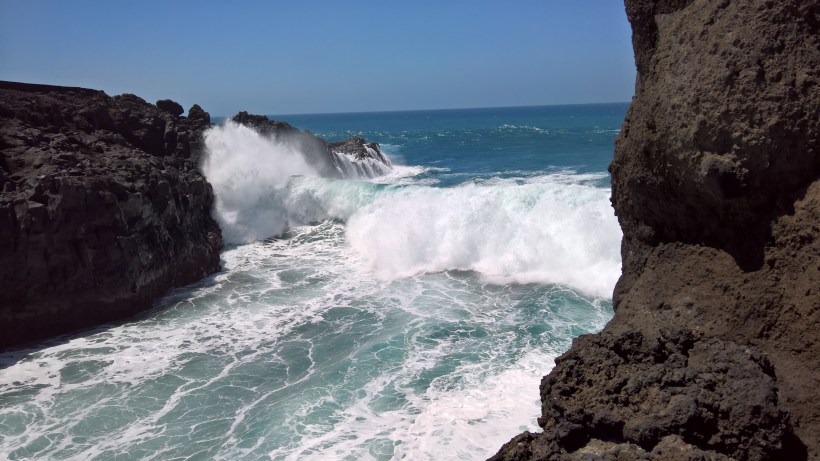
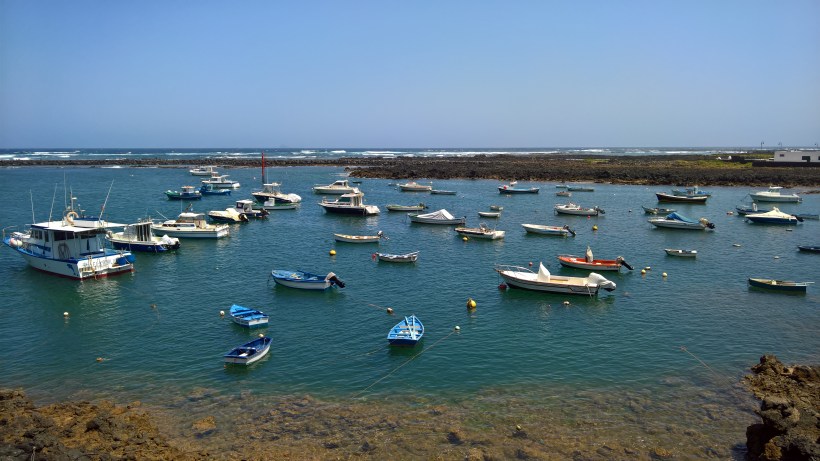
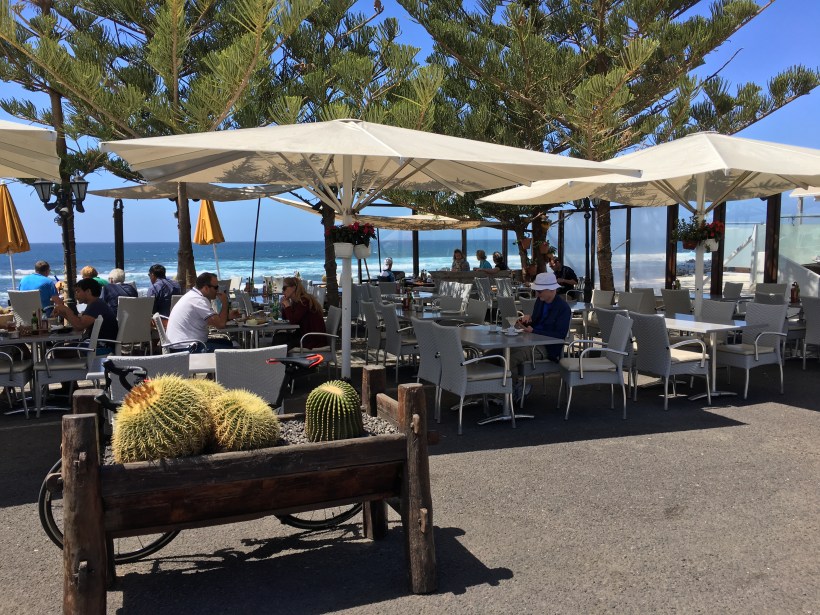
Sun worshippers can increase their vitamin D levels near sandy beaches, swimming pools, and café-laced seaside promenades. Even the rocky beaches are perfect for picnics, and many beaches have ready-made windbreaks constructed of stacked volcanic stone. Entertainment is provided by frolicking families on vacation (we were here during England’s Easter Holiday, lots of burned Brits), kite surfers, and perfect scenery.
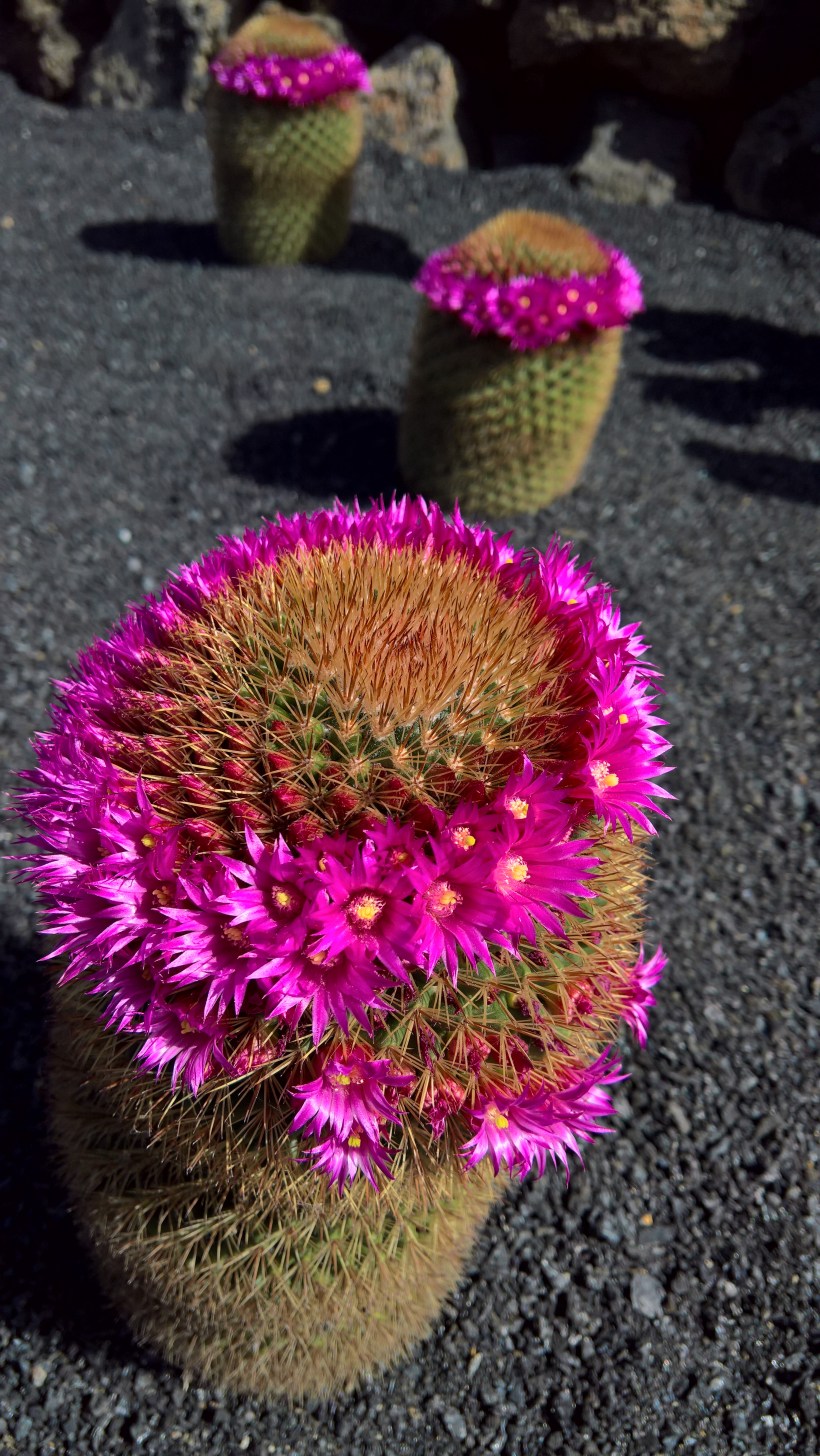
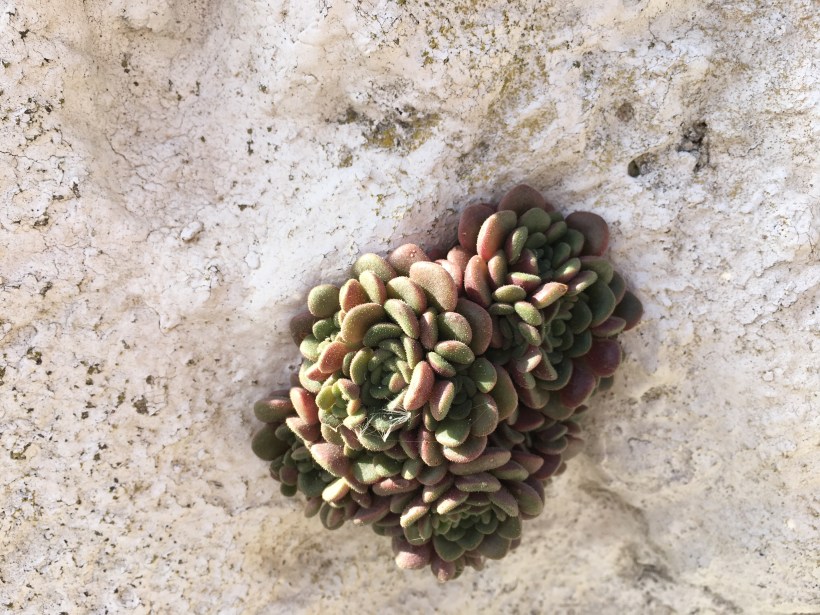
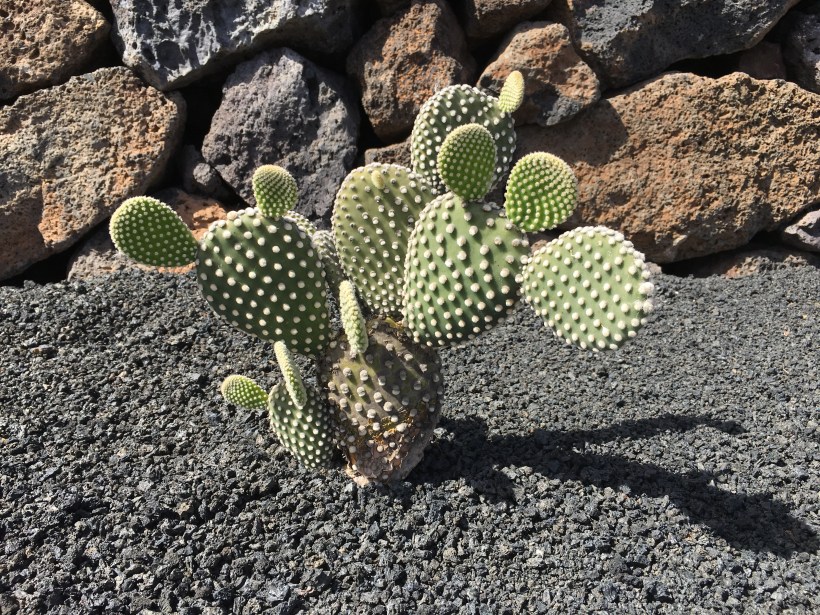
Perhaps you have a soft spot for cacti, succulents, or lichen. Lanzarote is your perfect destination, as there is a magnificent cactus garden (created by Cesar Manrique), tiny succulents, and over 100 species of lichen to discover.
Do you like simply driving around, looking at pretty scenery and stopping for espresso in welcoming little villages? Consider spending a week here. As Debbie said, you will love it.
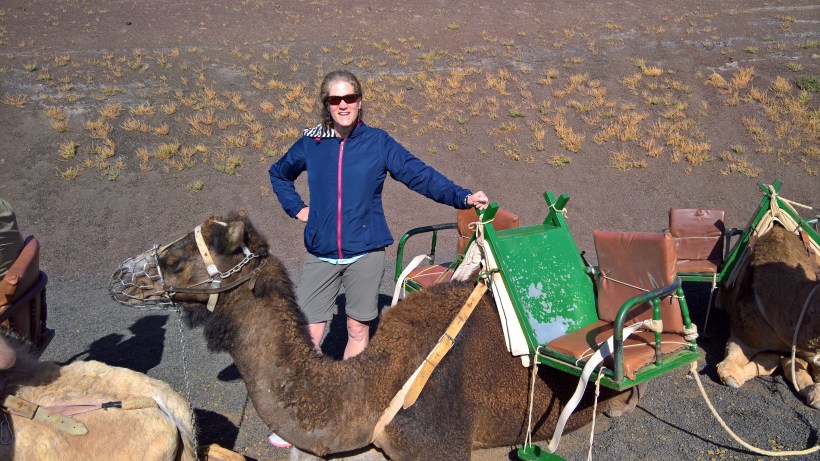
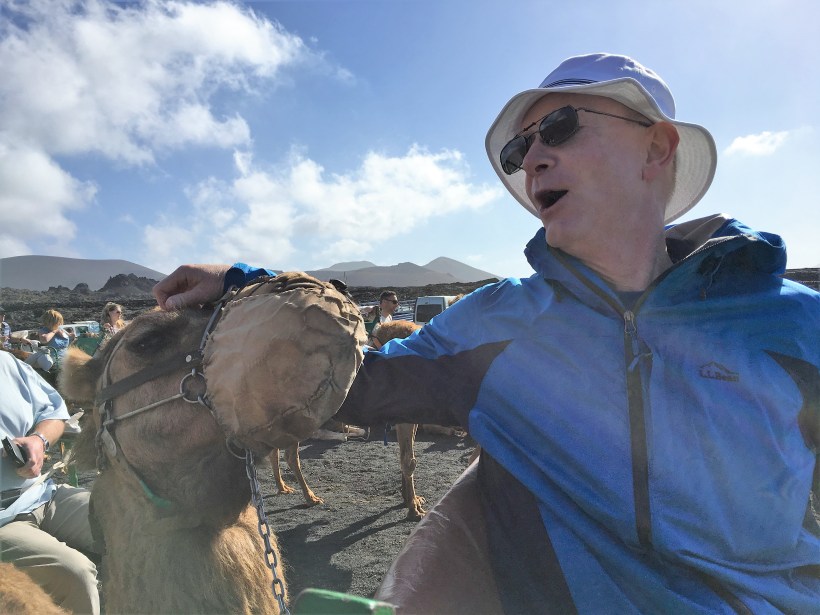
Last but not least, if you like goofy tourist activities, you can ride a camel in Lanzarote. Camels were originally used here for agriculture and transportation of goods (an average camel can carry up to 600 pounds). But today they are a tourist attraction, and we fell right into the trap. In my defense, when else will I ride a camel?
In the end, Debbie was right: we loved Lanzarote. Thank you, Debbie, for planning our retreat!
Sally

























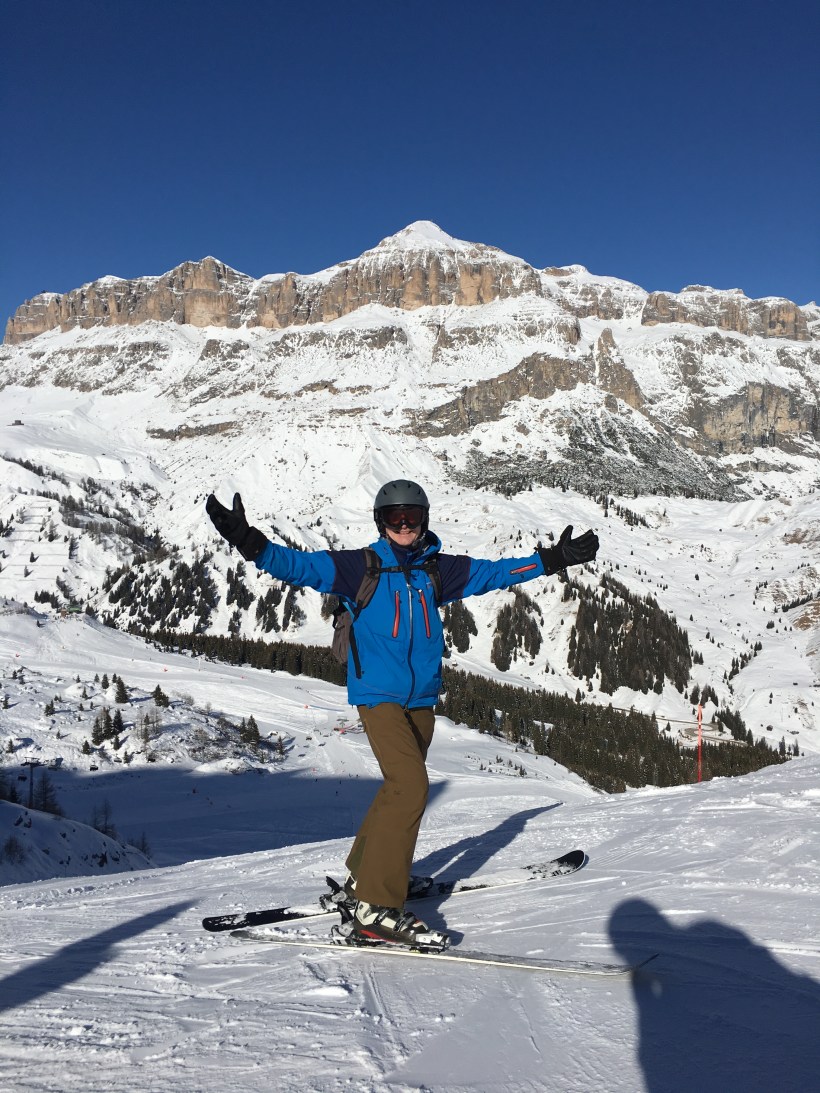
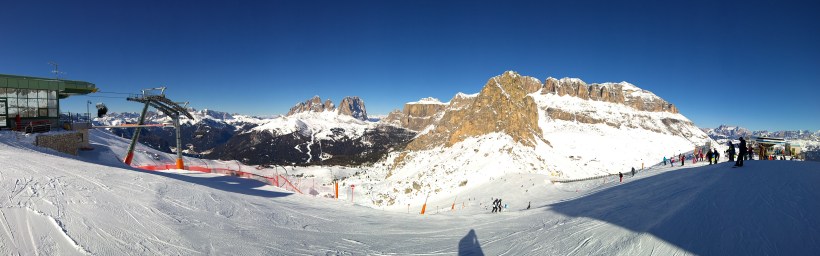
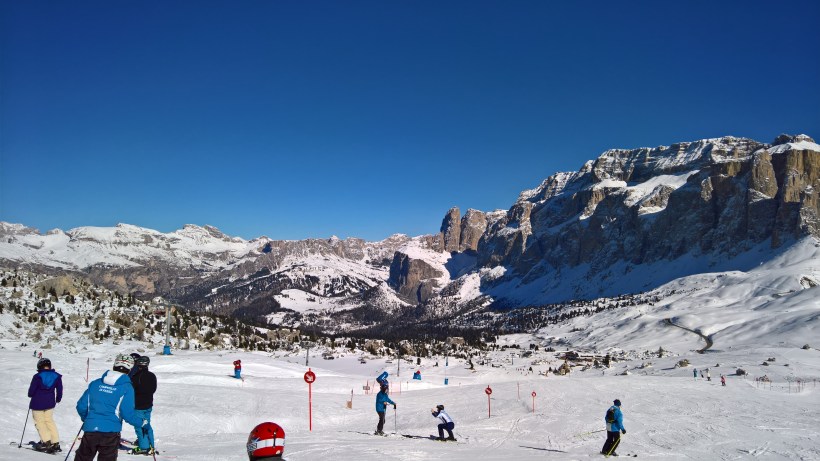
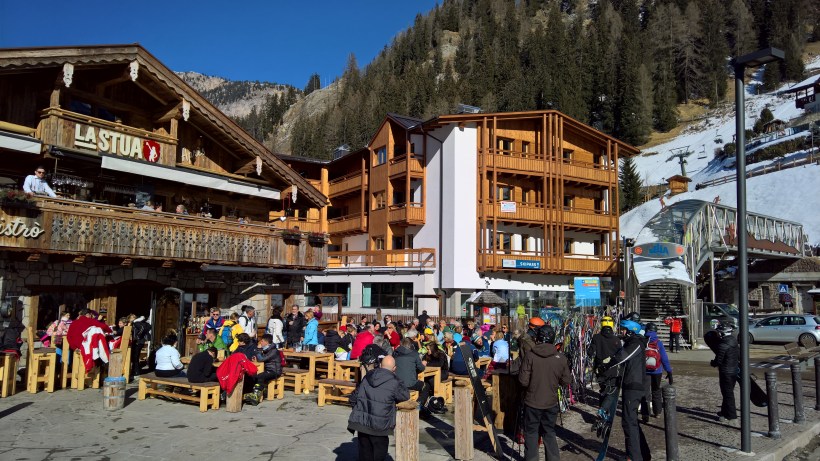
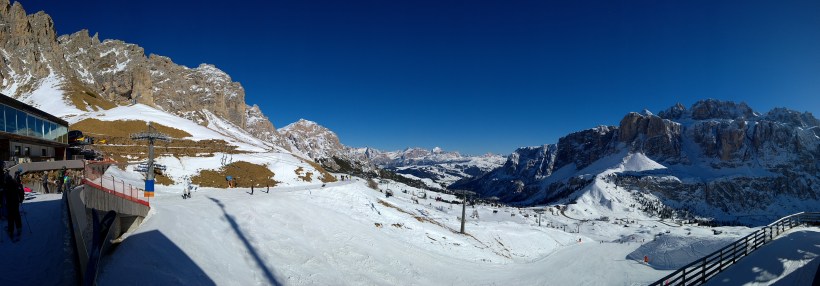
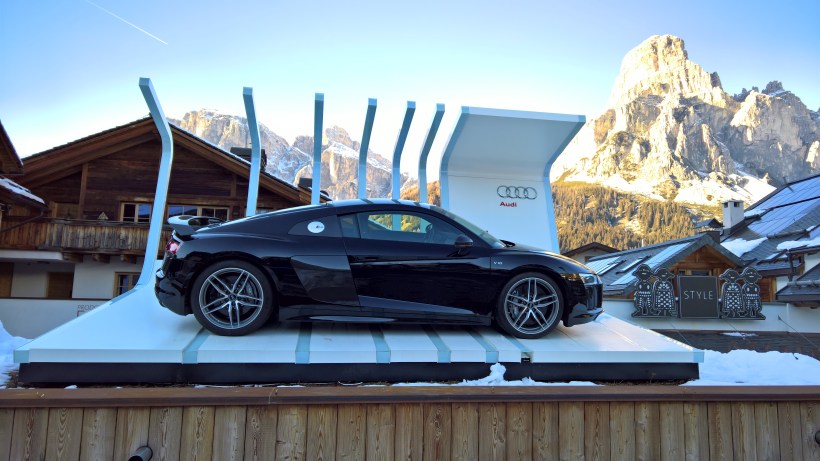
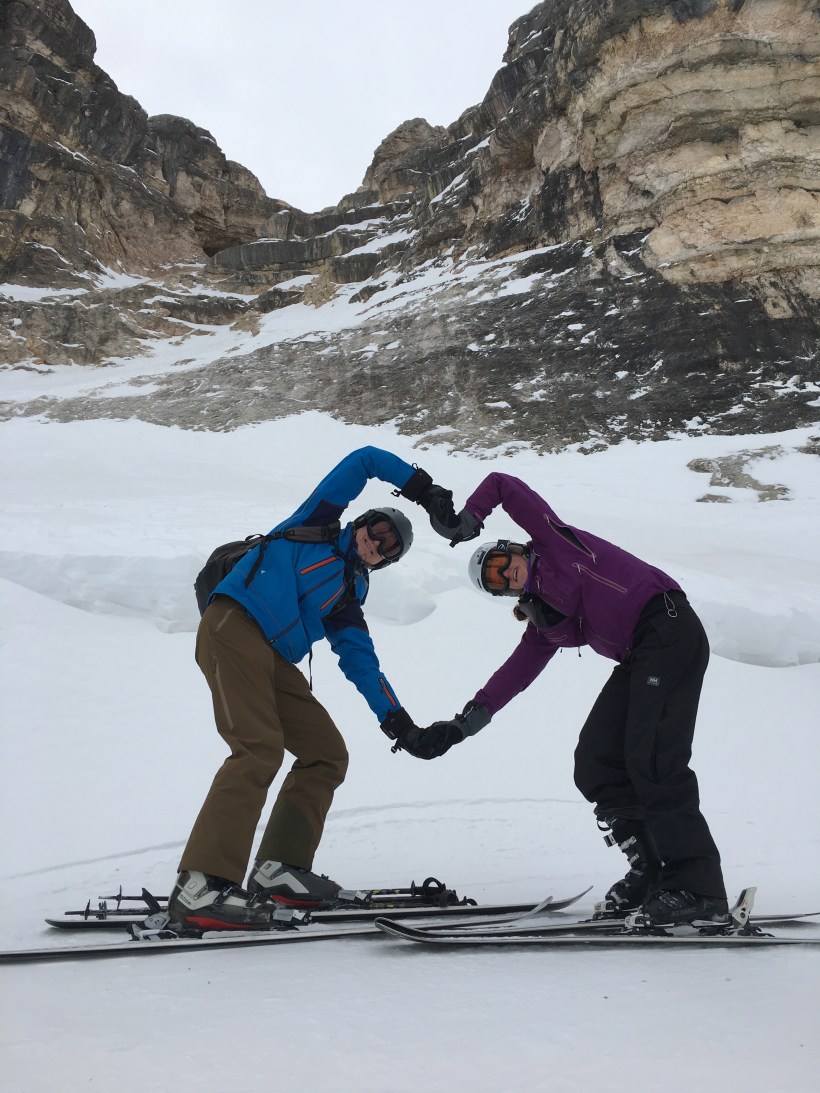
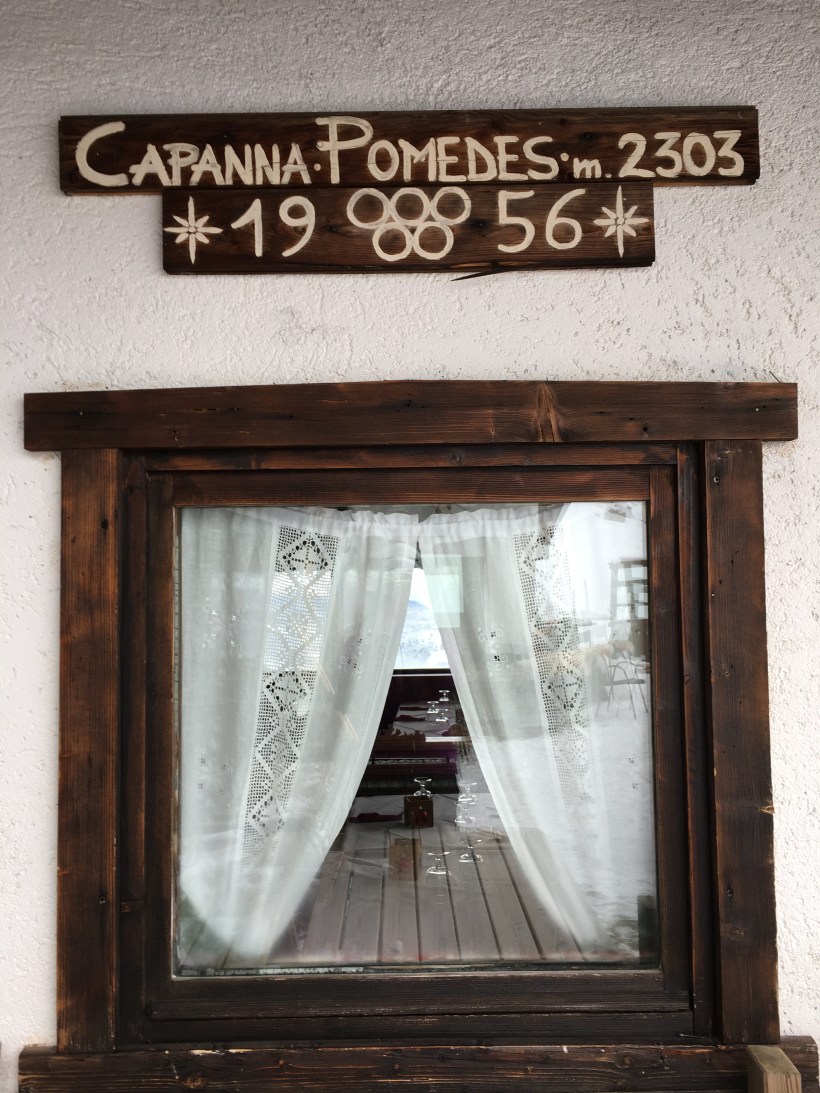
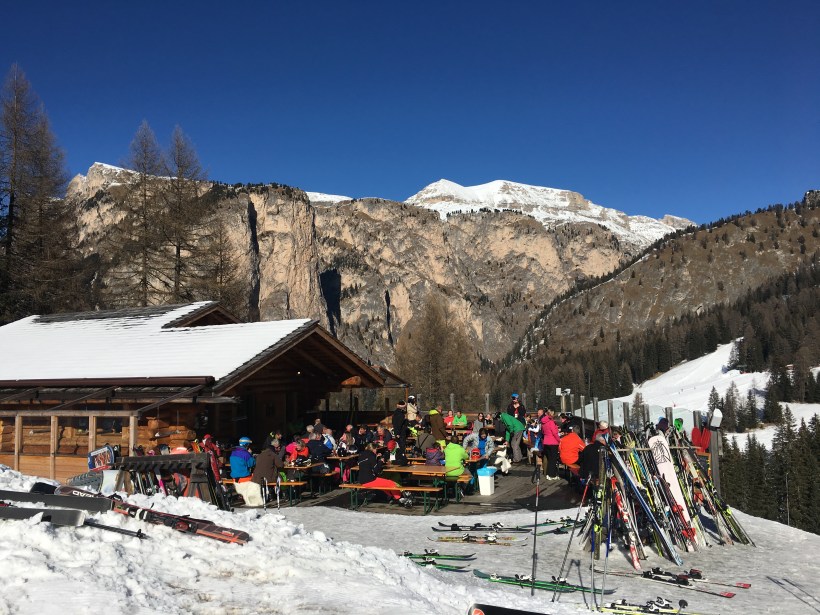
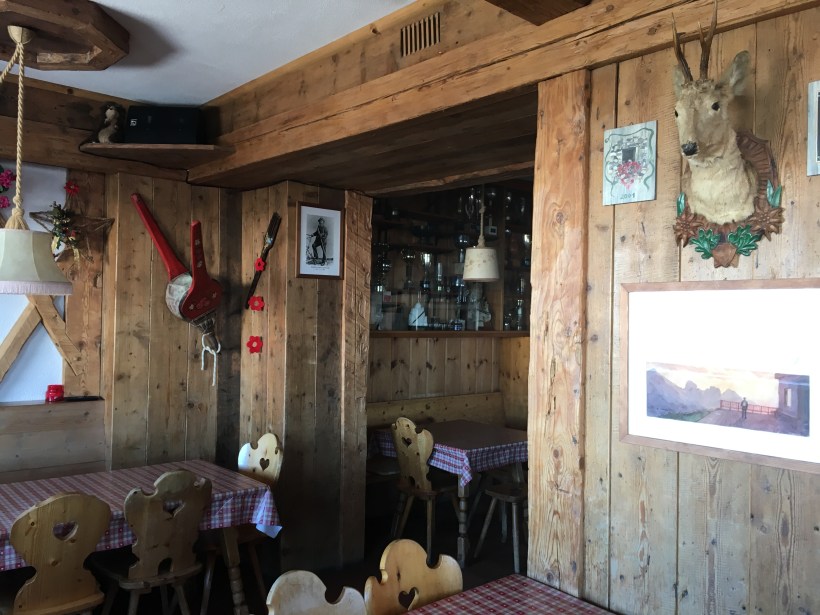
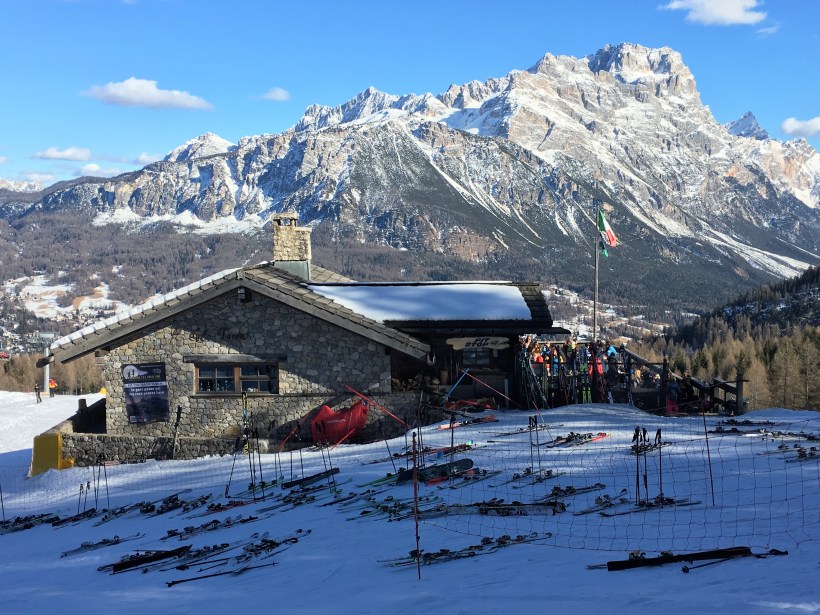
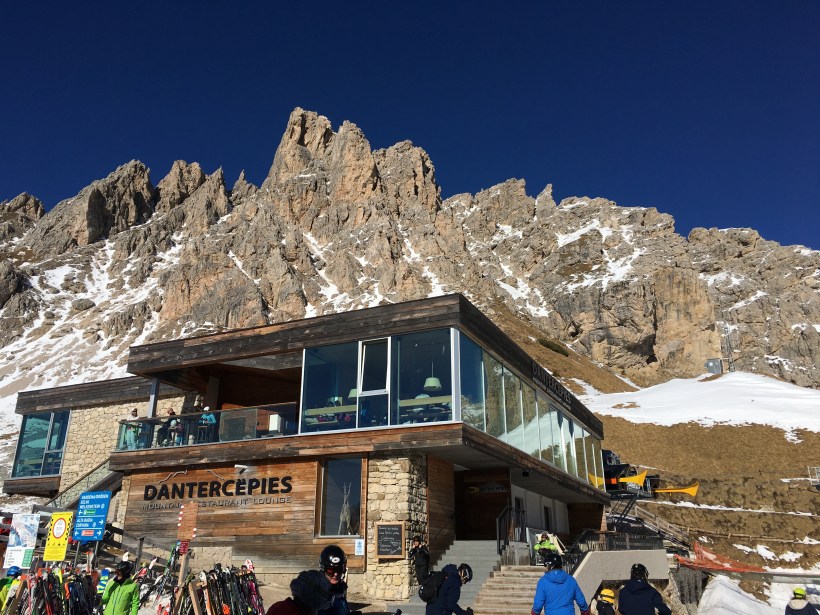
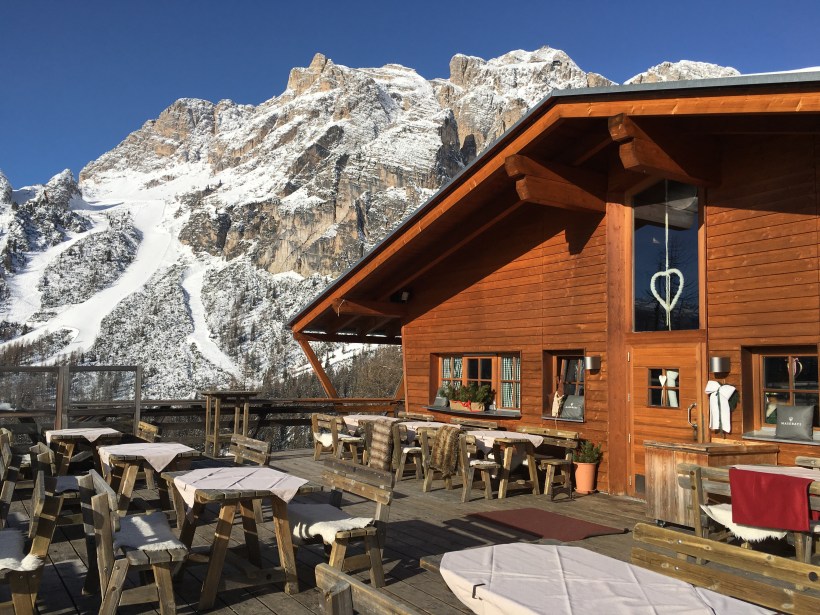
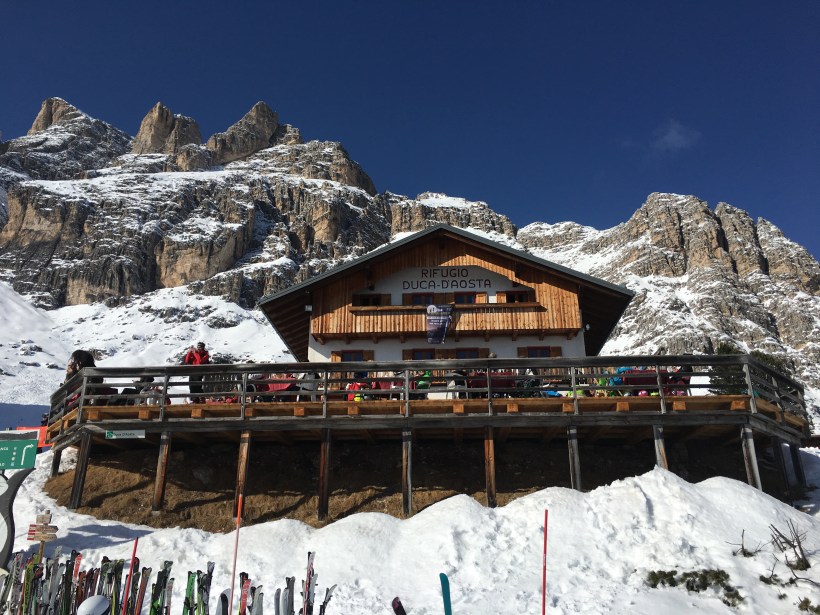
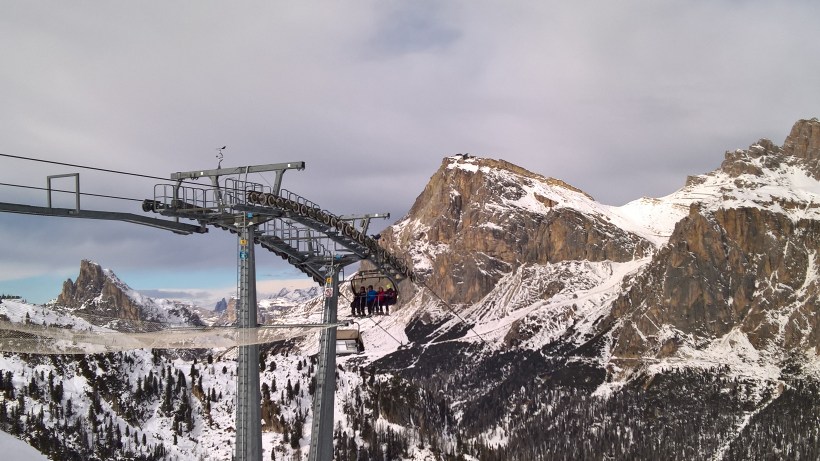 (The speck on top of the peak above the chairlift is a refugio.)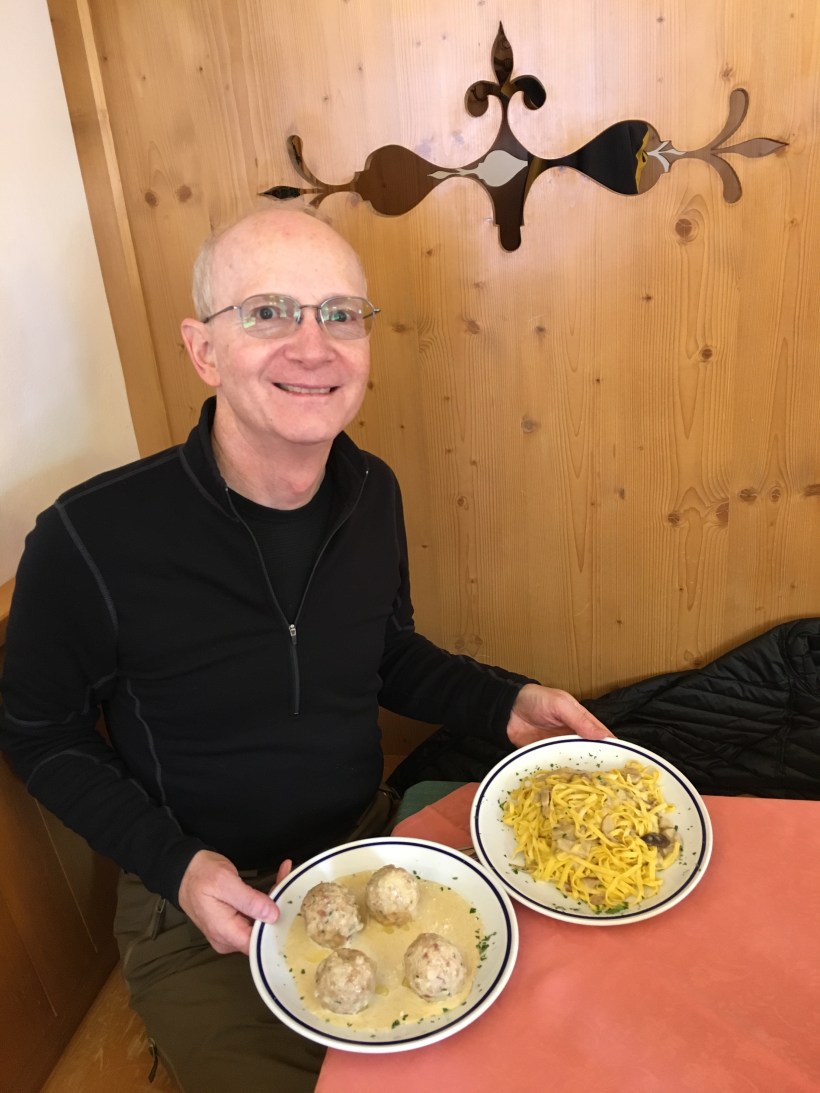
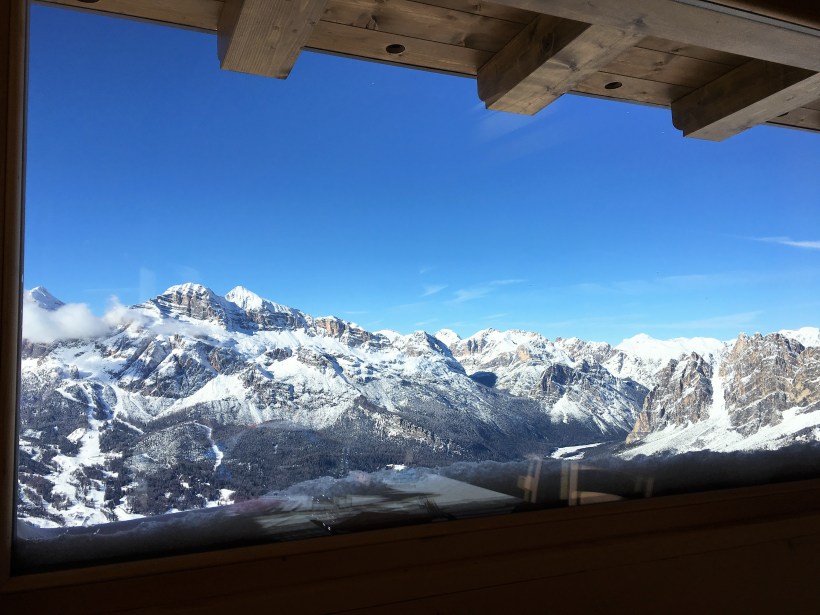

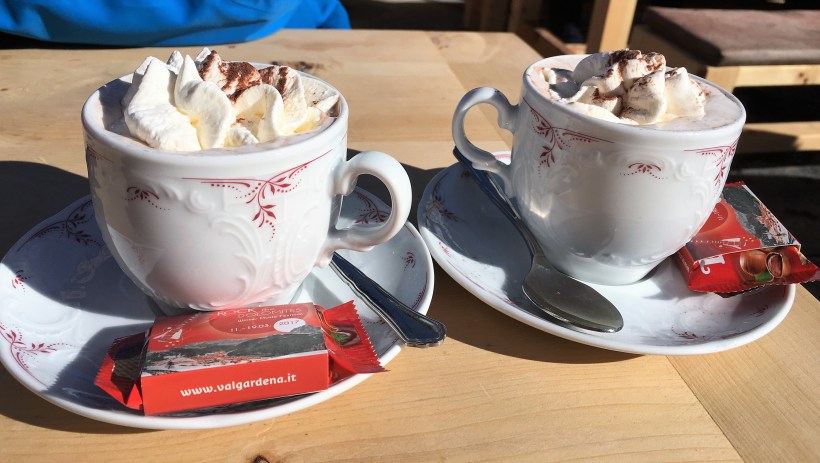
 Annie was right. While skiing is important, the refugios take equal billing. The frequent stops are worth every moment. I like this slower pace. Thank you, Annie, for igniting my own slow-ski movement.
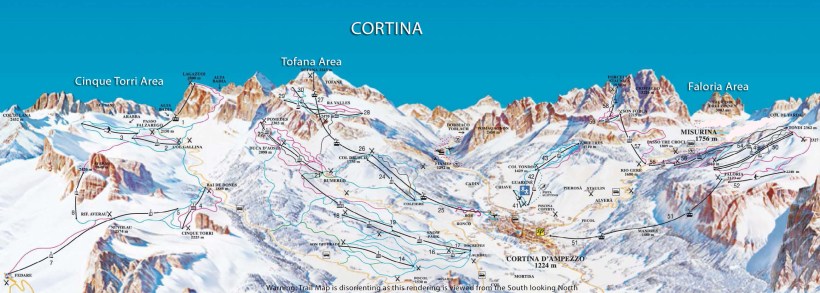
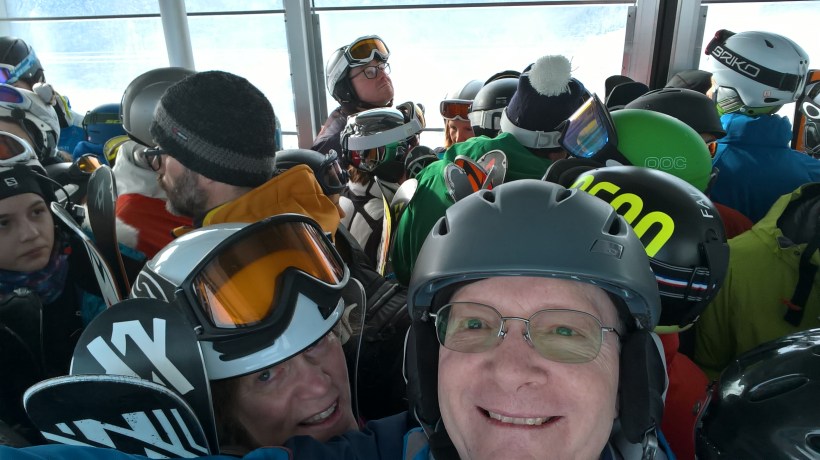
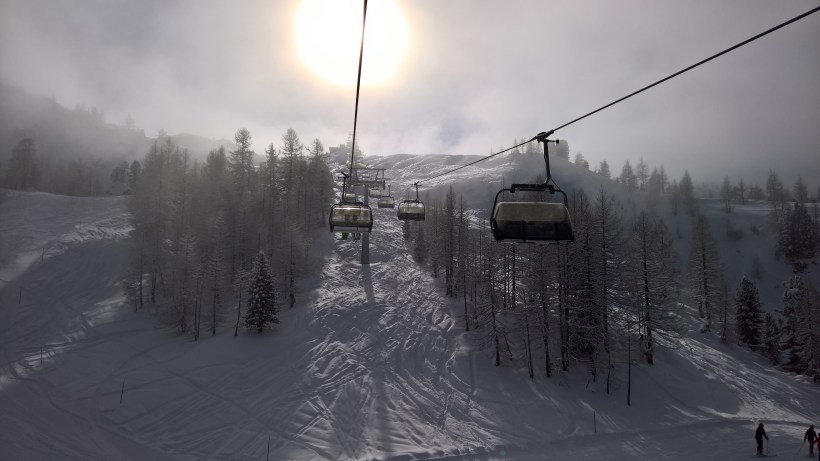
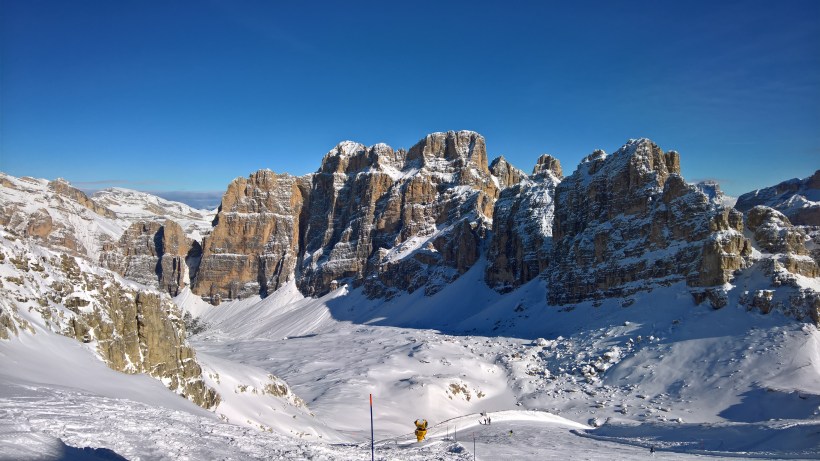
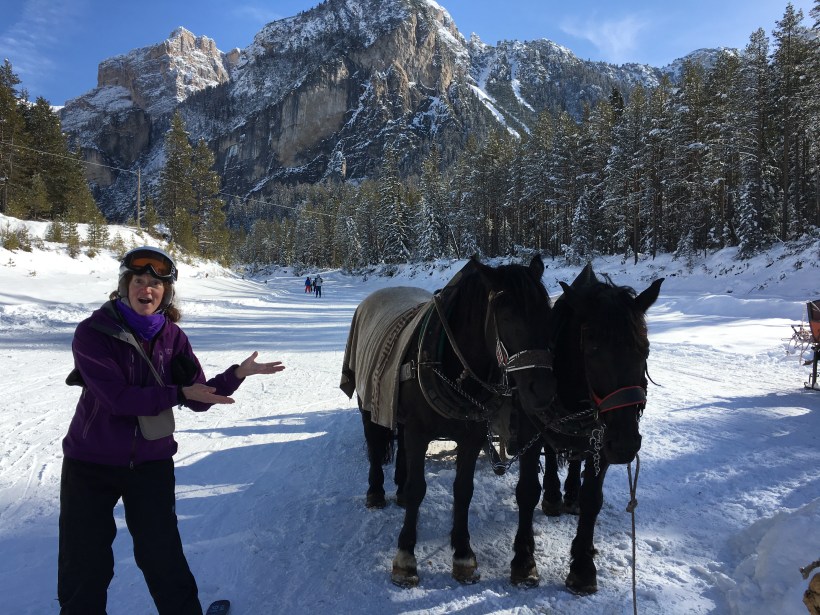


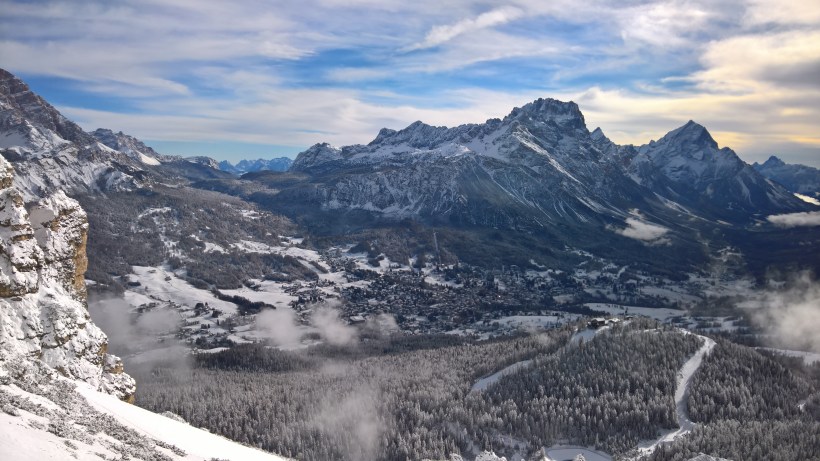
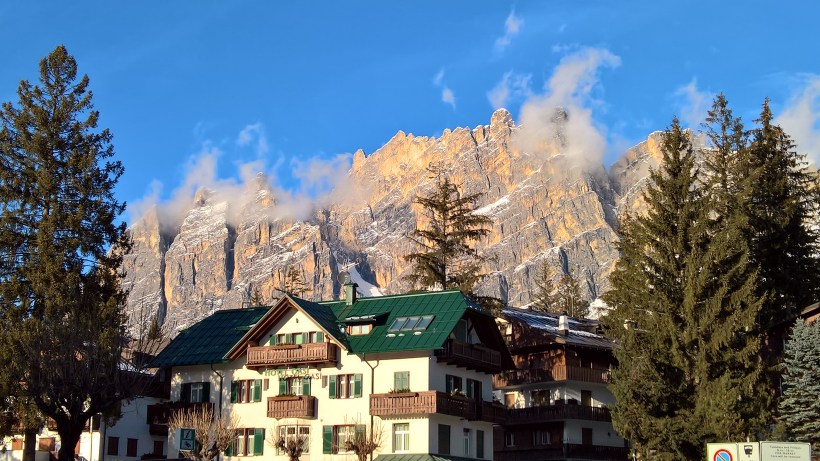
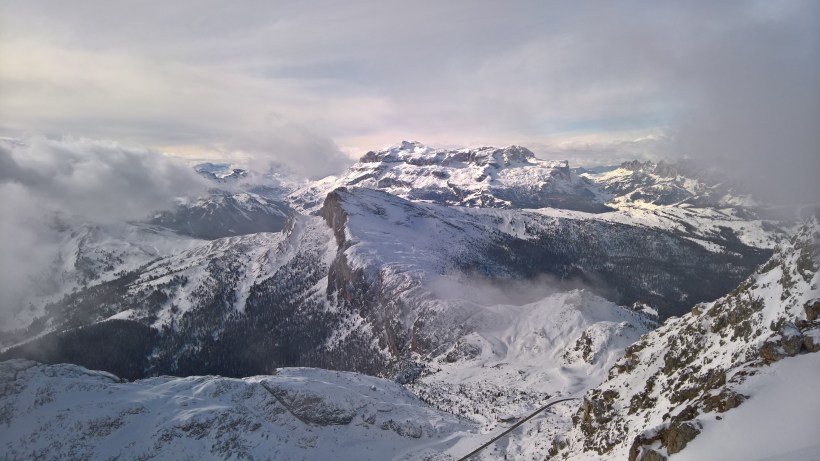
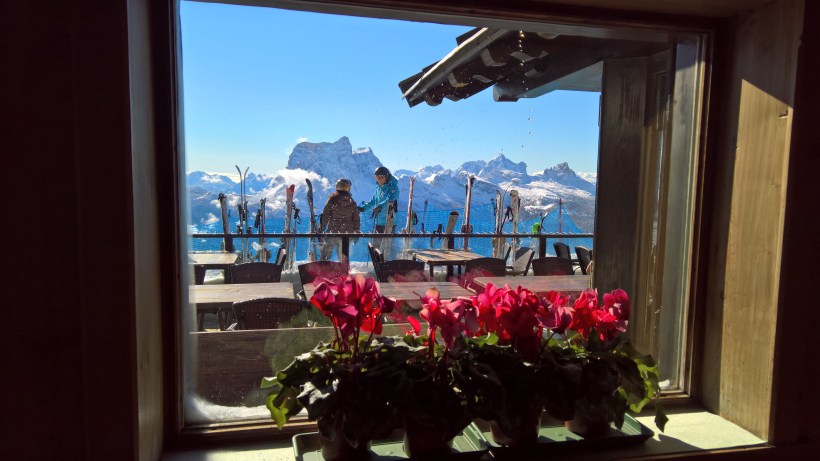
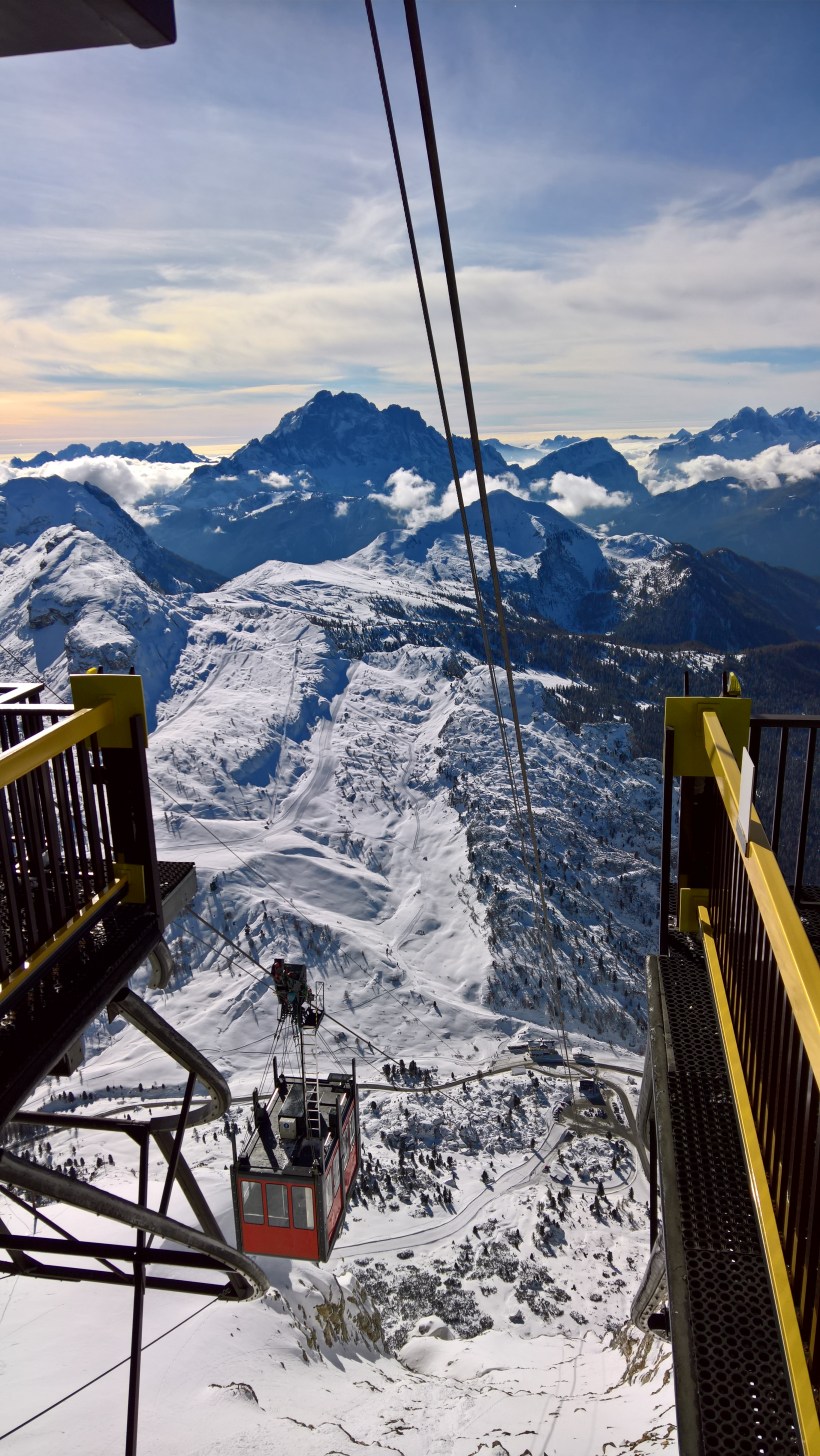 Despite this civilized settlement, humans have also brought their brokenness to this region. Austrians and Italians fought fierce, devastating WWI battles in these mountains. As we glide peacefully up steep rock faces in speedy gondolas, it is incomprehensible to imagine tunnel warfare among these peaks. For a chilling description of these battles, learn more in this Smithsonian article



 Wandering LeFebers